
Raw Honey Benefits: Is Raw Honey Healthier Than Regular Honey?
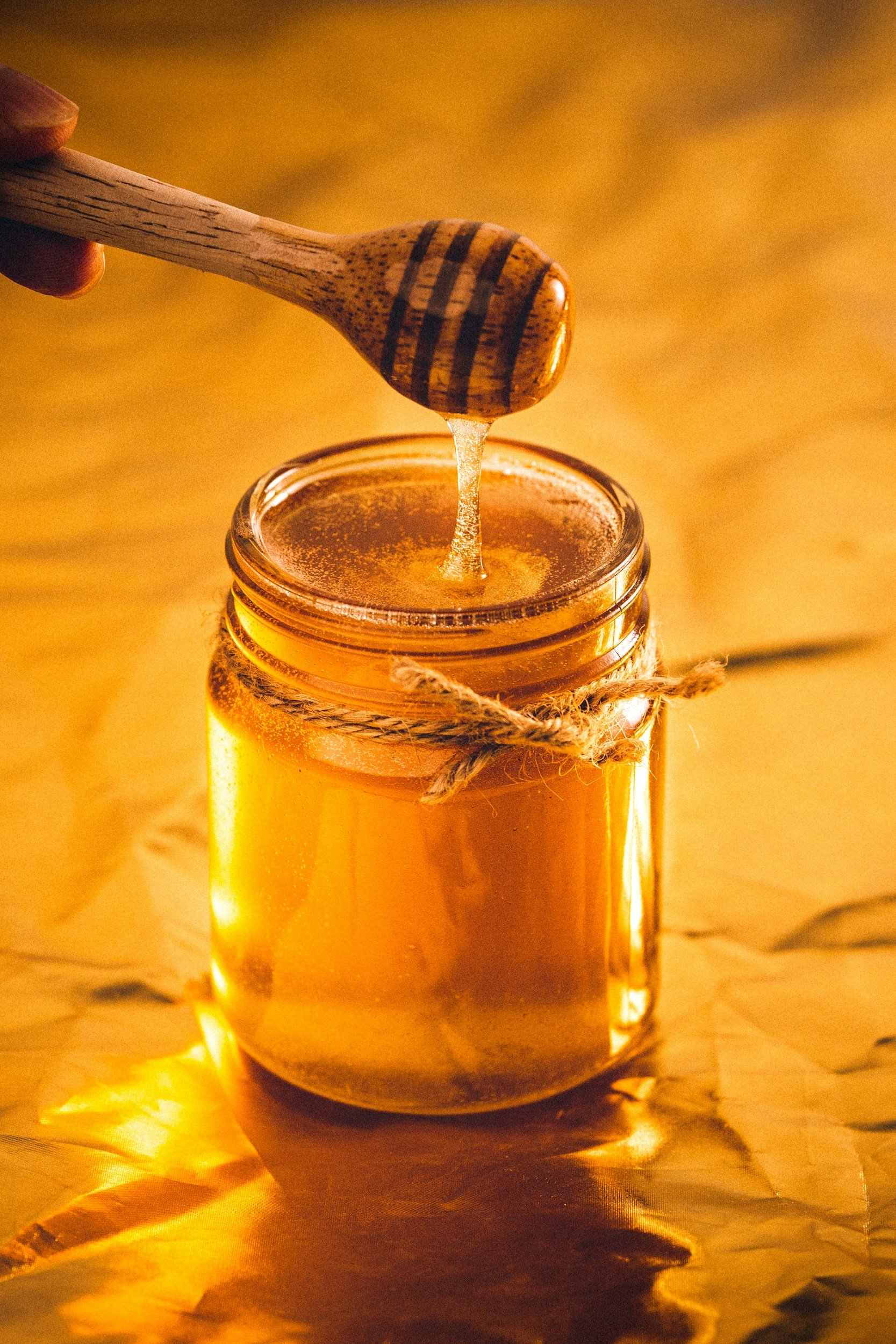
Raw Honey Benefits: Is Raw Honey Healthier Than Regular Honey?
Raw honey has been enjoyed for thousands of years—not just as a natural sweetener, but as a traditional food valued across many cultures. Unlike highly processed honey, raw honey undergoes minimal processing, allowing it to retain many of its naturally occurring compounds.
If you're trying to eat more real, minimally processed foods, raw honey can be a delicious addition to a balanced diet. In this guide, we'll explore what raw honey is, its potential benefits, how it compares with regular honey, and the best ways to enjoy it.
What Is Raw Honey?
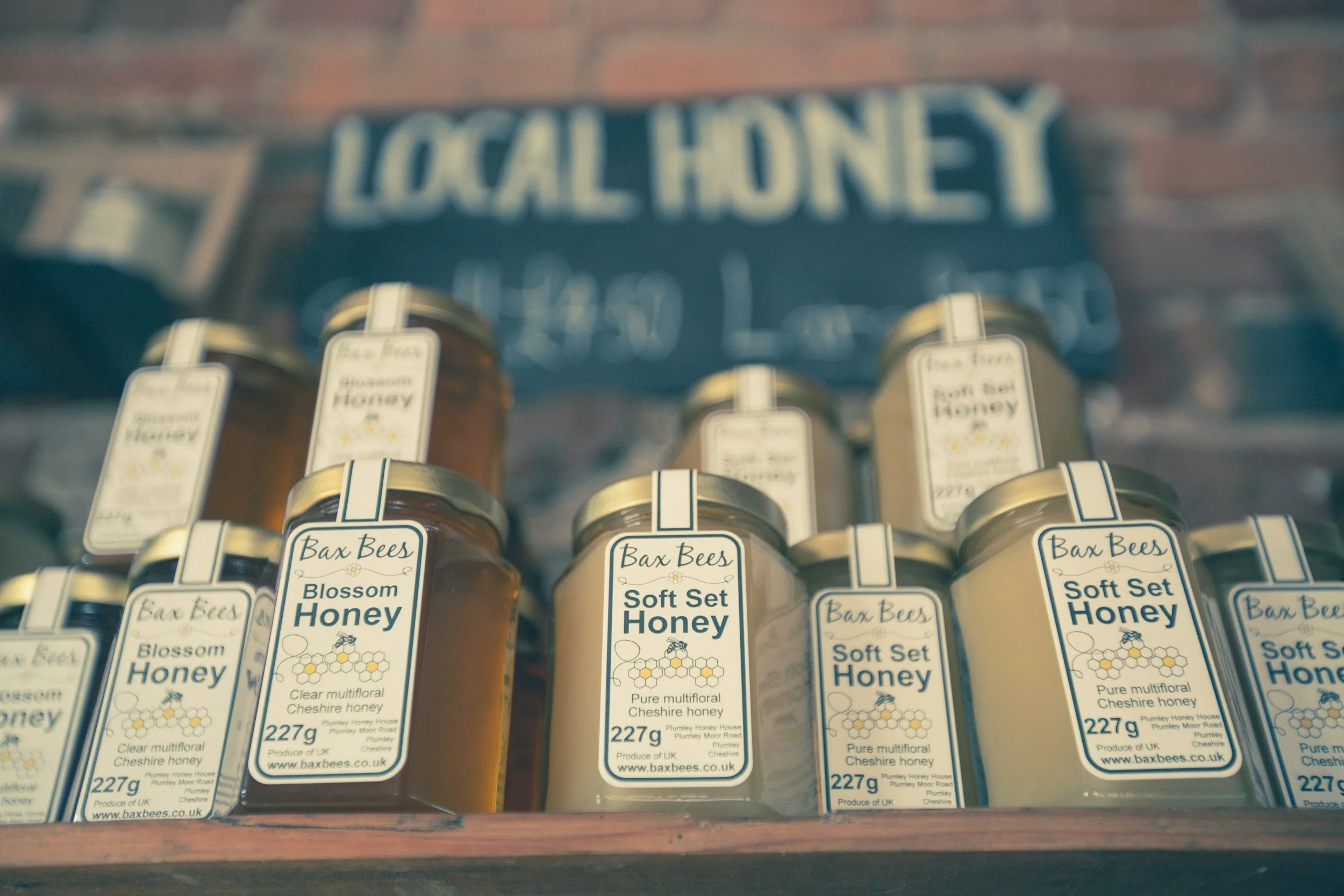
Raw honey is honey that has been extracted from the honeycomb and only lightly strained to remove large pieces of wax or debris. It is not pasteurised or heavily filtered, meaning it retains more of its naturally occurring enzymes, pollen, antioxidants, and beneficial plant compounds.
Every jar of raw honey reflects the flowers the bees have visited, making each variety unique in colour, flavour, and aroma.
Raw Honey vs Regular Honey
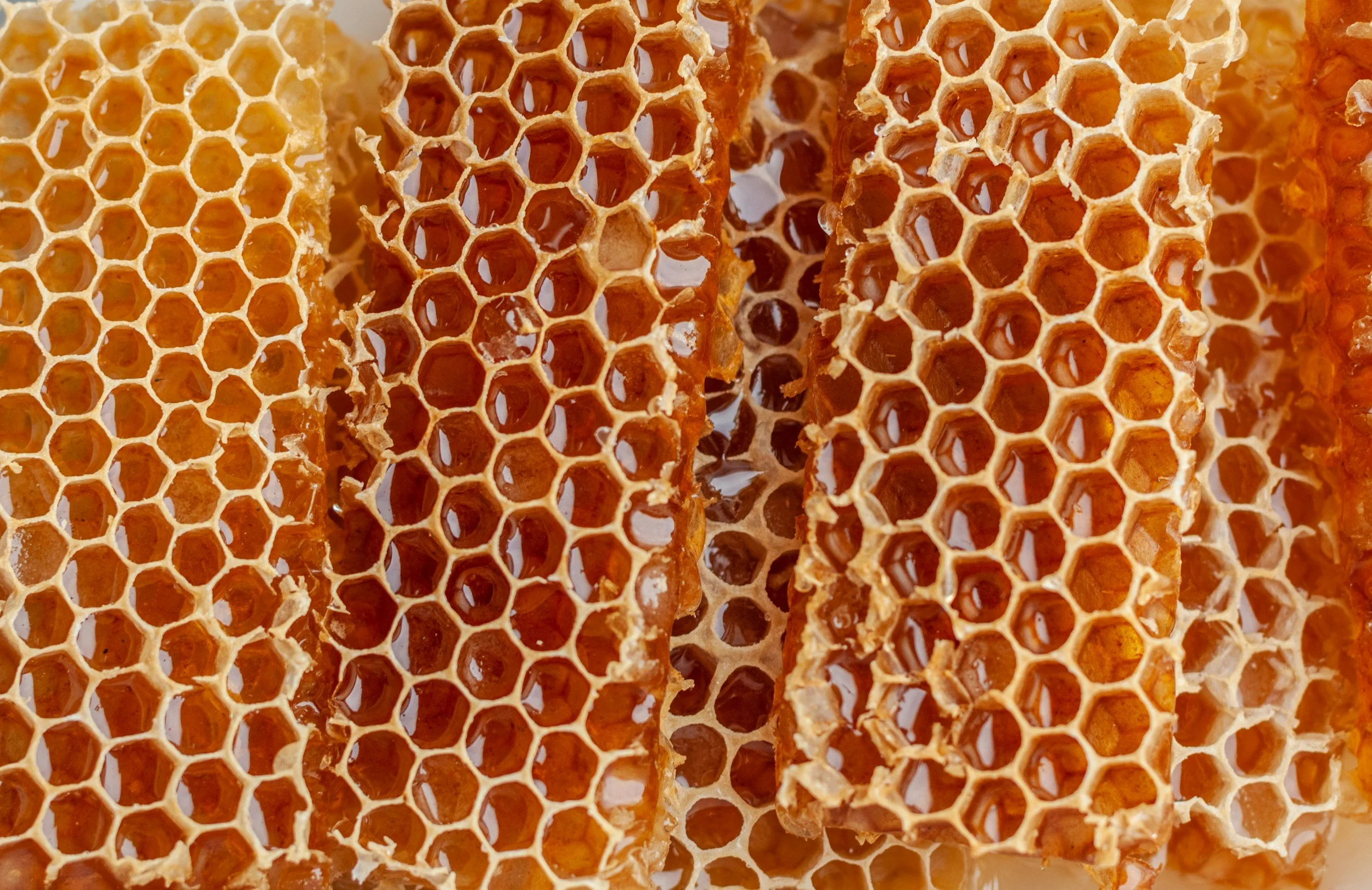
The main difference between raw honey and regular supermarket honey is how it is processed.
Raw honey is typically:
Minimally processed
Unheated or only gently warmed
Lightly filtered
Rich in naturally occurring enzymes and antioxidants
Many commercially processed honeys are heated and finely filtered to improve shelf life and appearance. While they remain a natural sweetener, some naturally occurring compounds may be reduced during processing.
Potential Benefits of Raw Honey
Rich in Natural Antioxidants
Raw honey contains naturally occurring antioxidants, including flavonoids and phenolic compounds. Antioxidants help protect cells from oxidative stress and play an important role in overall health.
A Natural Source of Energy
Because raw honey contains naturally occurring carbohydrates, it provides a quick source of energy. Many active people enjoy it before exercise, hiking, or outdoor activities.
Contains Natural Enzymes
One reason many people choose raw honey is because it naturally contains enzymes that remain largely intact when honey is minimally processed.
May Support Gut Health
Raw honey contains naturally occurring prebiotic compounds that can help nourish beneficial bacteria already living in the gut as part of a balanced diet.
Delicious Alternative to Refined Sugar
If you're looking to reduce highly processed foods, raw honey can be a flavourful alternative to refined sugar in many recipes.
How to Enjoy Raw Honey
Raw honey is incredibly versatile and pairs well with many wholesome foods.
Try it:
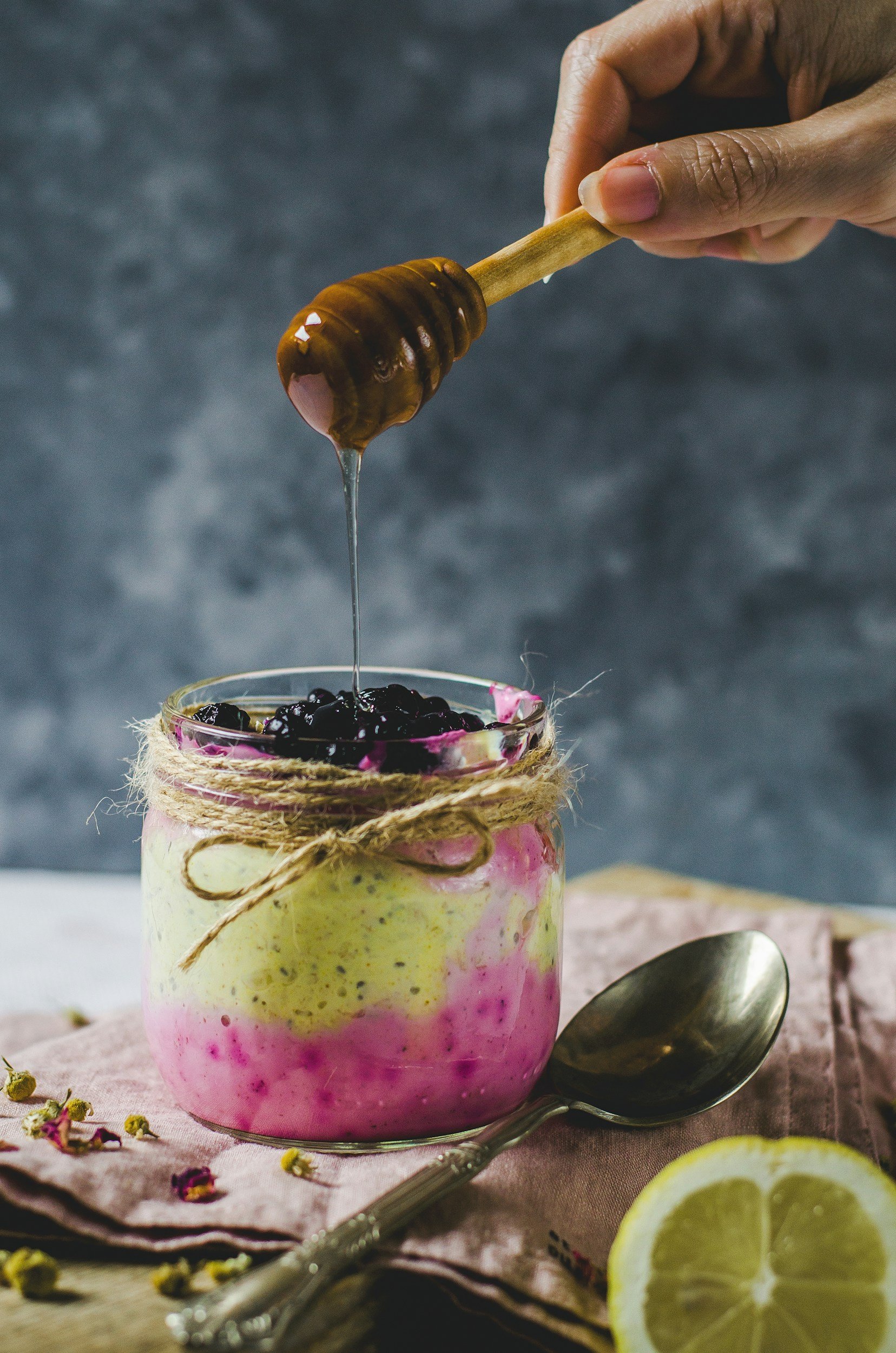
Drizzled over Greek yoghurt
Spread on traditional sourdough toast
Stirred into warm (not boiling) herbal tea
Added to homemade salad dressings
Mixed into smoothies
Served with cheese and fresh fruit
Added to homemade marinades
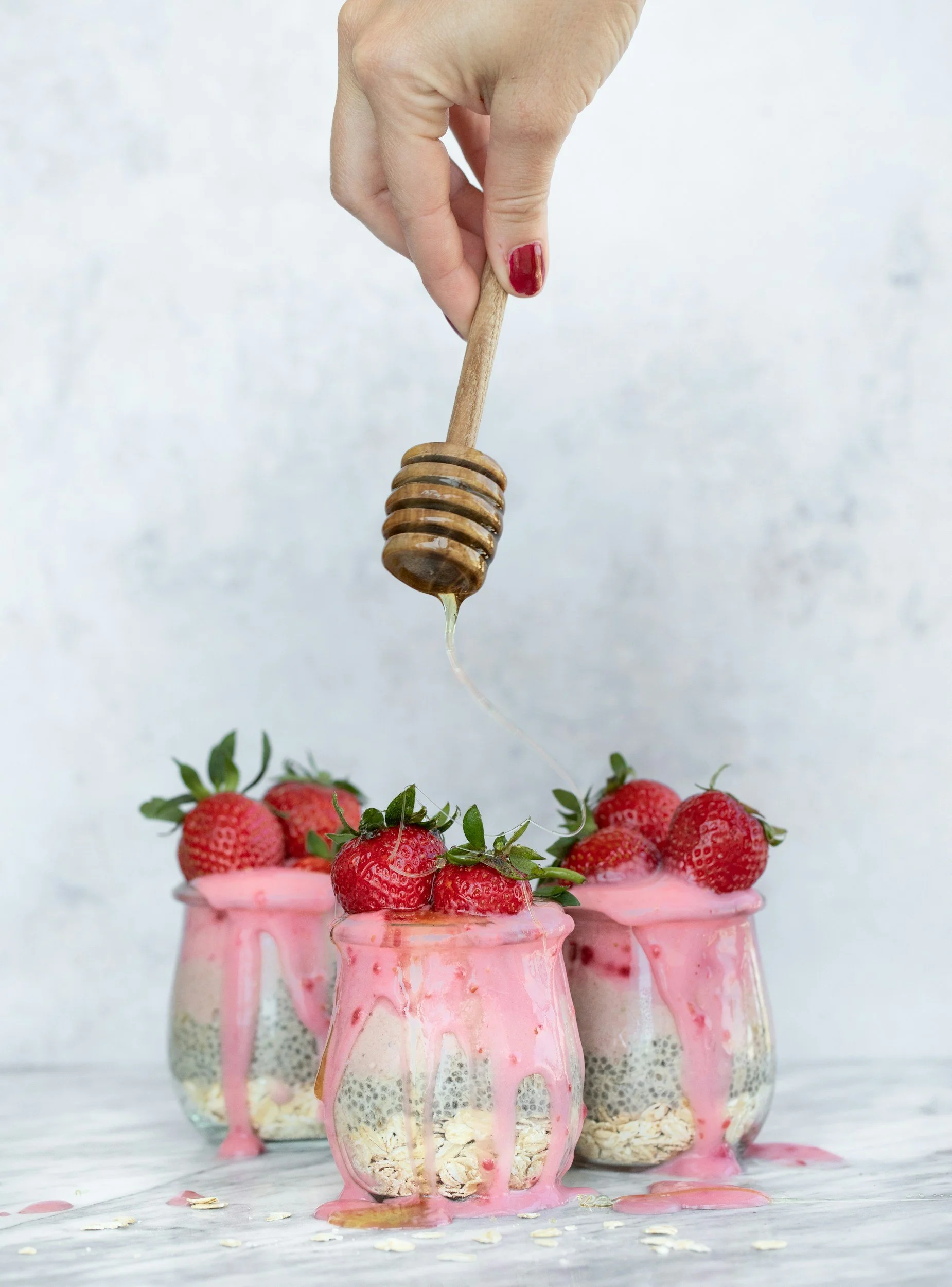
Swirled through porridge or overnight oats
Choosing the Best Raw Honey
When buying honey, look for:
✔️ 100% raw honey
✔️ Local honey whenever possible
✔️ Minimal ingredients (just honey!)
✔️ Trusted local beekeepers or reputable producers
Buying local also helps support beekeepers, who play an important role in pollinating crops and maintaining biodiversity.
Does Raw Honey Last?
Honey is naturally low in moisture, making it one of the few foods that can last for years when stored correctly.
Over time, raw honey may naturally crystallise. This is completely normal and is actually a sign of minimally processed honey. Simply place the jar in warm water to gently soften it if desired.
Is Raw Honey Healthy?
Raw honey can certainly be part of a healthy, balanced diet. It offers naturally occurring antioxidants and makes a delicious alternative to refined sugar for many people.
However, it is still a source of sugar and is best enjoyed in moderation as part of an overall nutritious eating pattern.
Important Safety Information
Raw honey should never be given to babies under 12 months of age because of the risk of infant botulism.
If you have diabetes or another medical condition that affects blood sugar, speak with your healthcare professional or registered dietitian about how honey fits into your individual dietary needs.
Final Thoughts
For people who enjoy eating real, minimally processed foods, raw honey is a wonderful pantry staple. Whether drizzled over yoghurt, spread on fresh sourdough, or stirred into tea, it offers rich flavour and a connection to traditional foods that have been enjoyed for generations.
Choosing local, high-quality raw honey not only supports your local beekeepers but also celebrates one of nature's oldest and most remarkable foods.
Frequently Asked Questions
Is raw honey healthier than regular honey?
Raw honey is less processed than many commercial honeys and retains more naturally occurring enzymes, pollen, and antioxidants. Both are sources of sugar, but raw honey is often chosen by those who prefer minimally processed foods.
Can raw honey help your immune system?
Raw honey contains antioxidants and naturally occurring plant compounds that contribute to a healthy diet. It should not be considered a treatment or cure for illness.
Does raw honey contain probiotics?
Raw honey contains prebiotic compounds that can nourish beneficial gut bacteria, but it is not considered a probiotic food.
Why does raw honey crystallise?
Crystallisation is a natural process and often indicates that the honey has not been heavily processed. It does not mean the honey has gone bad.
Can I use raw honey in baking?
Yes. Raw honey can replace sugar in many recipes, although heating will reduce some of its naturally occurring enzymes. Many people prefer to enjoy it uncooked to preserve its natural characteristics.
Evidence for Clinical Use of Honey in Wound Healing as an Anti-bacterial, Anti-inflammatory, Anti-oxidant and Anti-viral Agent: A Review (2013)
PubMed: https://pubmed.ncbi.nlm.nih.gov/24624197/
Honey in Wound Healing: An Updated Review (2021)
PubMed: https://pubmed.ncbi.nlm.nih.gov/34708153/
Honey for Wound Healing, Ulcers, and Burns; Data Supporting Its Use in Clinical Practice (2011)