
Why I Choose Clean Meat – And Why Venison Is One of My Favorite Heart-Healthy Choices
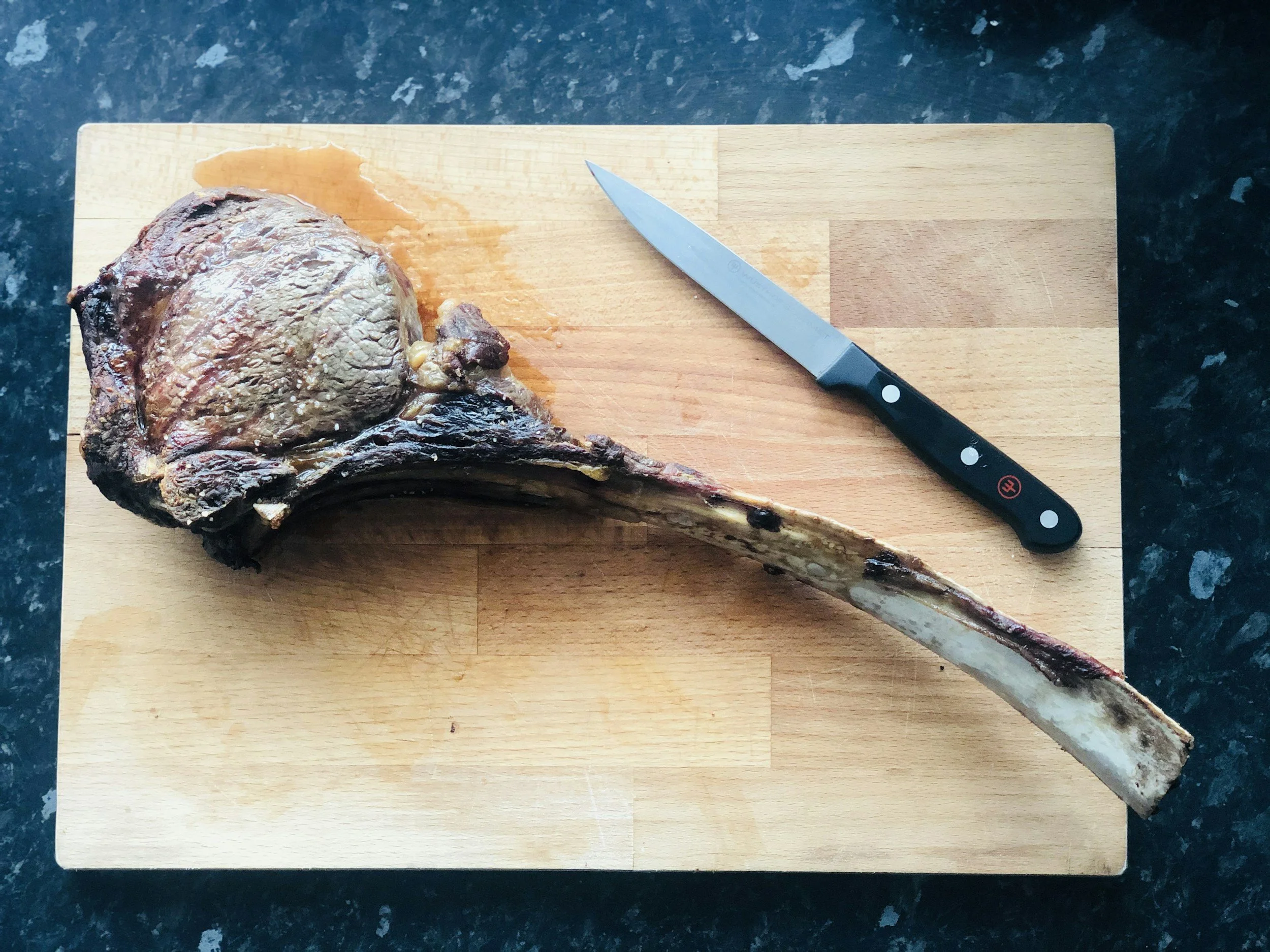
If you've followed me for a while, you'll know that I'm a big believer in real food.
For me, eating healthily isn't about being afraid of meat, eggs or other traditional foods. It's about looking at the quality of the food we're putting on our plates.
And when it comes to meat, there can be a huge difference between a piece of fresh, minimally processed meat and something that has been heavily processed.
That's why, whenever possible, I like to choose what I call clean meat: fresh, minimally processed meat with a simple origin that I can actually recognise as food.
Think fresh beef, lamb, chicken, turkey, fish and especially wild venison rather than sausages, deli meats, highly processed burgers and other processed meat products.
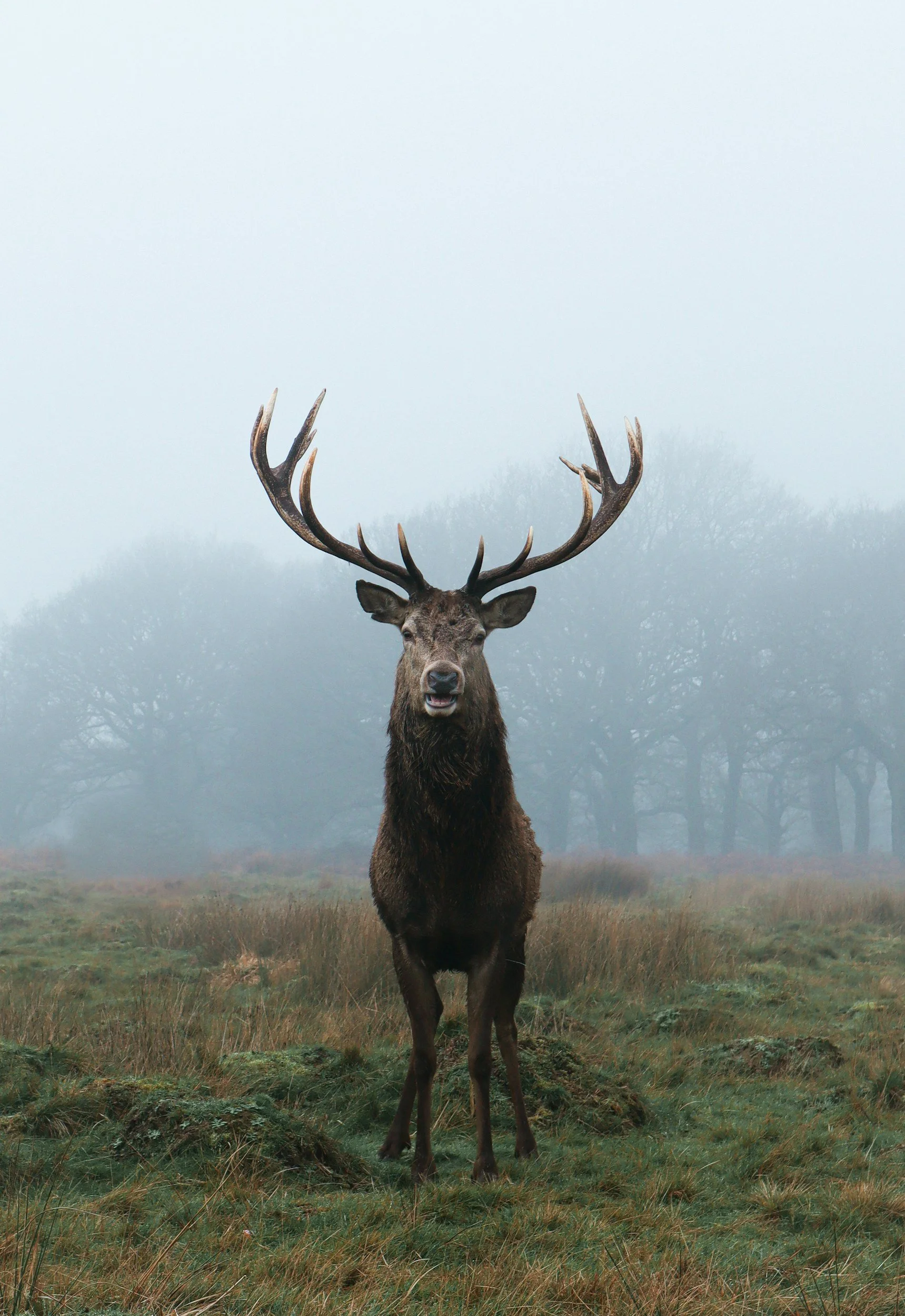
First, what do I mean by "clean meat"?
"Clean meat" isn't an official scientific or nutritional term.
When I use it, I'm simply talking about fresh, minimally processed meat.
Ideally, I want meat without a long list of added ingredients, fillers, sugars or excessive salt.
That doesn't mean every processed meat is automatically "bad", or that eating a slice of bacon occasionally is going to ruin your health. Nutrition simply isn't that black and white.
But there is a meaningful difference between unprocessed and processed meat, and research supports making that distinction.
A systematic review and meta-analysis looking at cardiovascular disease found a stronger association between processed meat consumption and total stroke incidence than it did for unprocessed red meat. Other large analyses have also found associations between higher intakes of both processed and unprocessed red meat and cardiovascular disease, so this isn't a reason to treat unlimited amounts of fresh red meat as protective either.
It's about quality, quantity and your overall diet.
Scientific source:
PubMed – Unprocessed red meat, processed meat and cardiovascular disease
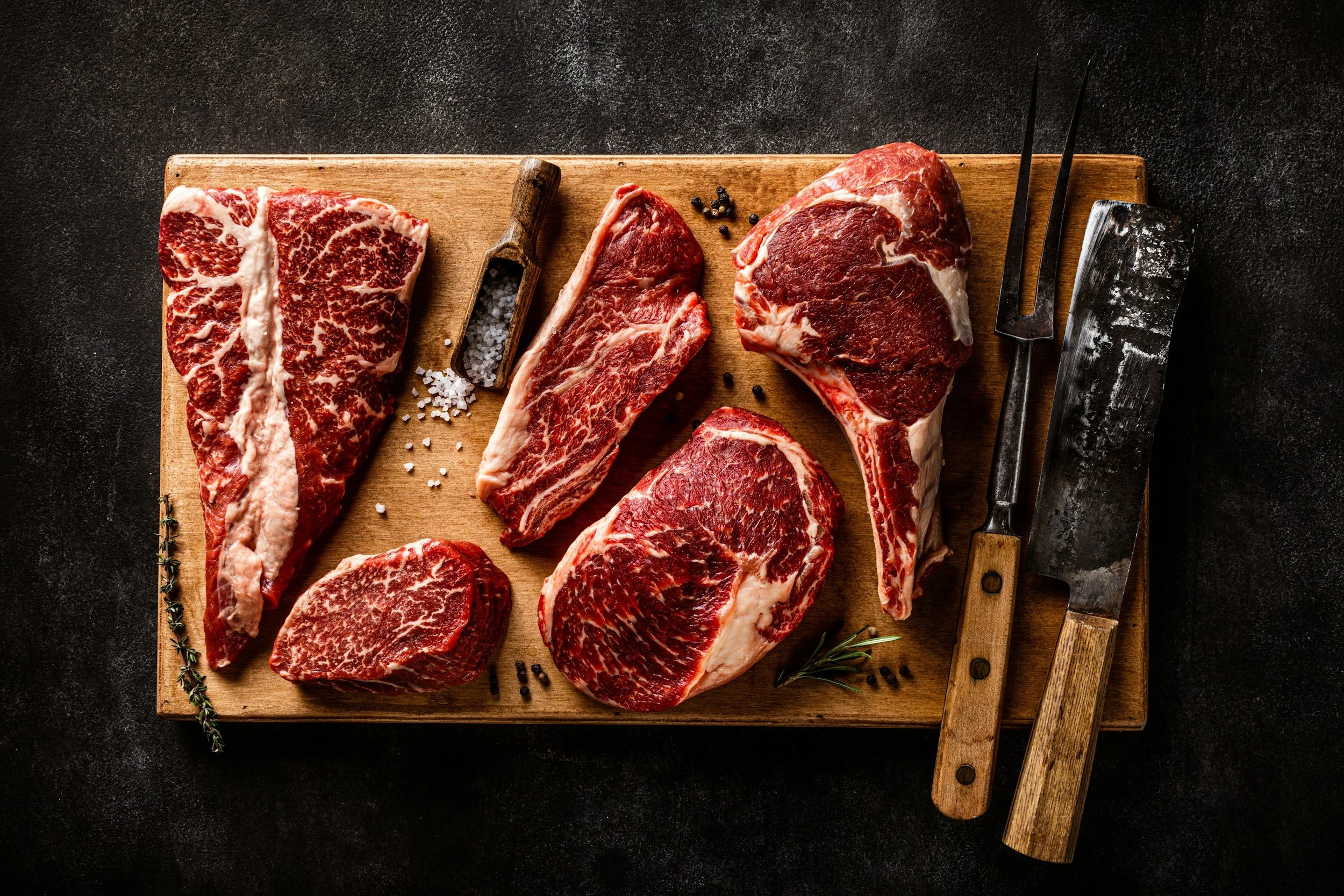
Why venison is so interesting
This is where things get really interesting for me.
Venison is technically red meat, but nutritionally it can look quite different from the fatty beef products many people automatically associate with the words "red meat."
One study directly compared red deer and fallow deer meat with beef from Aberdeen Angus and Holstein cattle.
The venison contained approximately one-quarter of the crude fat found in the beef.
But that wasn't the only difference.
The deer meat also had a higher polyunsaturated-to-saturated fatty acid ratio and a lower calculated atherogenic index.
And perhaps my favourite finding: the red deer meat contained around five times as much omega-3 polyunsaturated fatty acids as the beef in that particular study.
That's a pretty impressive nutritional profile for red meat.
Scientific source:
PubMed – Quality attributes and composition of venison compared with beef
Wild venison can be incredibly lean
Research specifically examining wild red deer has also found extremely low levels of intramuscular fat.
In one study involving 150 Iberian wild red deer, intramuscular fat ranged from approximately 0.05% in younger animals to 0.34% in older animals.
The researchers concluded that wild red deer meat could be considered a good alternative to other red meats for human consumption.
Scientific source:
PubMed – Nutritional properties of Iberian wild red deer meat
This is one of the reasons I think venison deserves far more attention as a healthy protein source.
But isn't red meat bad for your heart?
This is where nutrition headlines often become far too simplistic.
"Red meat" covers an enormous range of foods.
A wild venison steak and a heavily processed meat product aren't nutritionally identical just because they both originated from an animal.
At the same time, I don't think we should swing too far in the opposite direction and claim that red meat has absolutely no relationship with cardiovascular health.
Some large observational analyses have associated higher consumption of unprocessed red meat with a modestly higher cardiovascular risk, although findings vary depending on the cardiovascular outcome and study.
For example, a large meta-analysis published in the European Heart Journal found that every additional 100 g per day of unprocessed red meat was associated with an approximately 11% higher relative risk of cardiovascular disease.
Scientific source:
European Heart Journal – Red meat consumption, cardiovascular disease and diabetes
So my takeaway isn't:
"Eat unlimited red meat because meat is healthy."
And it isn't:
"Red meat is unhealthy and should be avoided."
My approach sits somewhere much more sensible in the middle.
Choose high-quality, minimally processed foods, choose leaner cuts regularly, eat plenty of plants alongside them, and look at your entire dietary pattern rather than blaming or glorifying one individual food.
Why venison is one of my favourite choices
For someone who enjoys meat but also wants to be conscious of cardiovascular health, venison has some really attractive characteristics:
It's naturally high in protein.
It's typically very lean.
It can contain considerably less total fat than beef.
It has a favourable polyunsaturated-to-saturated fatty acid ratio compared with beef in direct research.
Wild red deer can contain very little intramuscular fat.
And venison provides valuable micronutrients alongside its protein.
That's why I consider venison one of the most interesting heart-conscious red meat choices.
Not because eating venison magically prevents heart disease—it doesn't—but because its nutritional composition makes it an excellent option when you want nutrient-dense animal protein without a large amount of total or saturated fat.
And then there's the benefit of knowing where your food comes from
This part matters to me personally too.
There is something very different about knowing exactly where your food came from.
Wild venison hasn't travelled through the same production system as intensively farmed meat. A wild deer has spent its life outdoors eating the foods available in its natural environment.
For our family, wild venison also creates a much closer connection between food and its source.
Meat isn't simply something that appears wrapped in plastic on a supermarket shelf.
It came from an animal, and I think understanding and respecting that makes us appreciate our food much more.
Don't forget how you cook it
Even with a beautiful piece of venison, preparation matters.
You don't need to drown lean meat in butter or heavy sauces to make it taste good.
Venison works beautifully with herbs, garlic, mushrooms, berries, root vegetables, olive oil and colourful vegetables.
And because venison is naturally so lean, it's actually very easy to build a balanced meal around it.
Think:
Venison + vegetables + extra virgin olive oil + potatoes or another whole-food carbohydrate.
Simple. Filling. Nutrient-dense.
Exactly the kind of food I love.
The bottom line
I don't believe we need to be afraid of meat.
But I do think we should care about what kind of meat we're eating.
Whenever possible, choose fresh and minimally processed meat, vary your protein sources, and don't forget that what sits beside your meat matters just as much as the meat itself.
And if you have access to responsibly sourced wild venison?
It's an incredibly nutritious food worth putting on the menu.
Venison combines high-quality protein with an exceptionally lean nutritional profile, and research comparing deer meat with beef has found lower total fat and a more favourable fatty-acid composition.
That's why venison will always have a special place in my kitchen.
Real food doesn't need to be complicated. Sometimes the best foods are the ones humans have been eating for generations.
Scientific Reading
Bureš et al. (2015) – Quality attributes and composition of meat from red deer, fallow deer and cattle
Read on PubMed
Lorenzo et al. (2019) – Effect of age on nutritional properties of Iberian wild red deer meat
Read on PubMed
de Medeiros et al. (2022) – Associations of unprocessed red meat and processed meat with cardiovascular disease and mortality
Read on PubMed
Shi et al. (2023) – Red meat consumption, cardiovascular diseases, and diabetes: a systematic review and meta-analysis
Read in the European Heart Journal