
Why I Chose a Modern Primal Diet
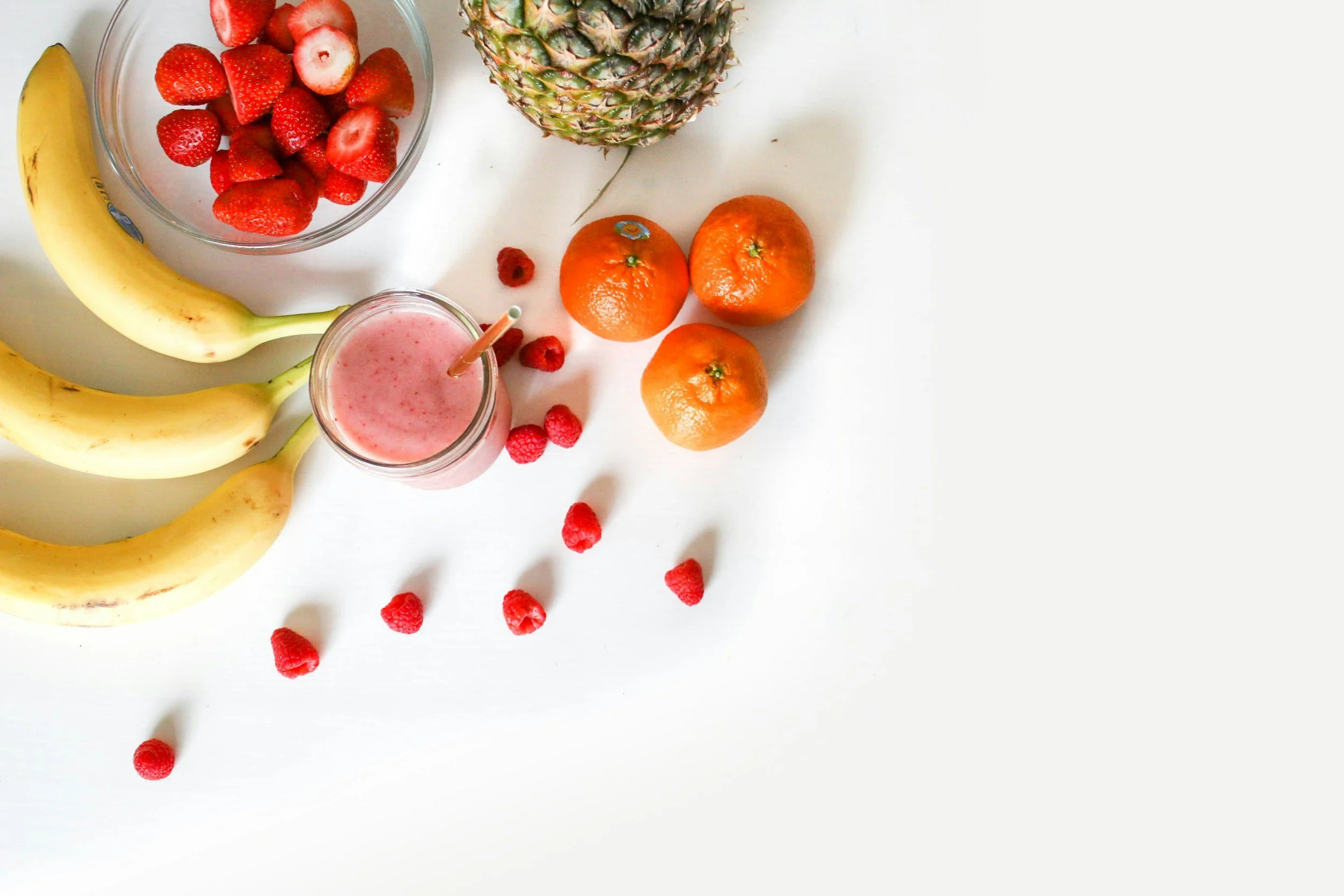
When people hear the word "primal," they often imagine living exactly like our Paleolithic ancestors, eating only meat, fish, vegetables, fruits, and nuts while avoiding all grains, legumes, and dairy. While I deeply respect the ancestral health movement, my own approach has evolved into what I call a Modern Primal Diet.
For me, primal eating is not about trying to recreate the Stone Age. It is about returning to real food, minimizing ultra-processed products, and choosing ingredients our great-grandparents would recognize.
My Journey to Primal Living
As a Certified Nutritionist and mother of three children on the autism spectrum, nutrition became much more than a professional interest. Through years of research and personal experience, I saw firsthand how powerful real food can be.
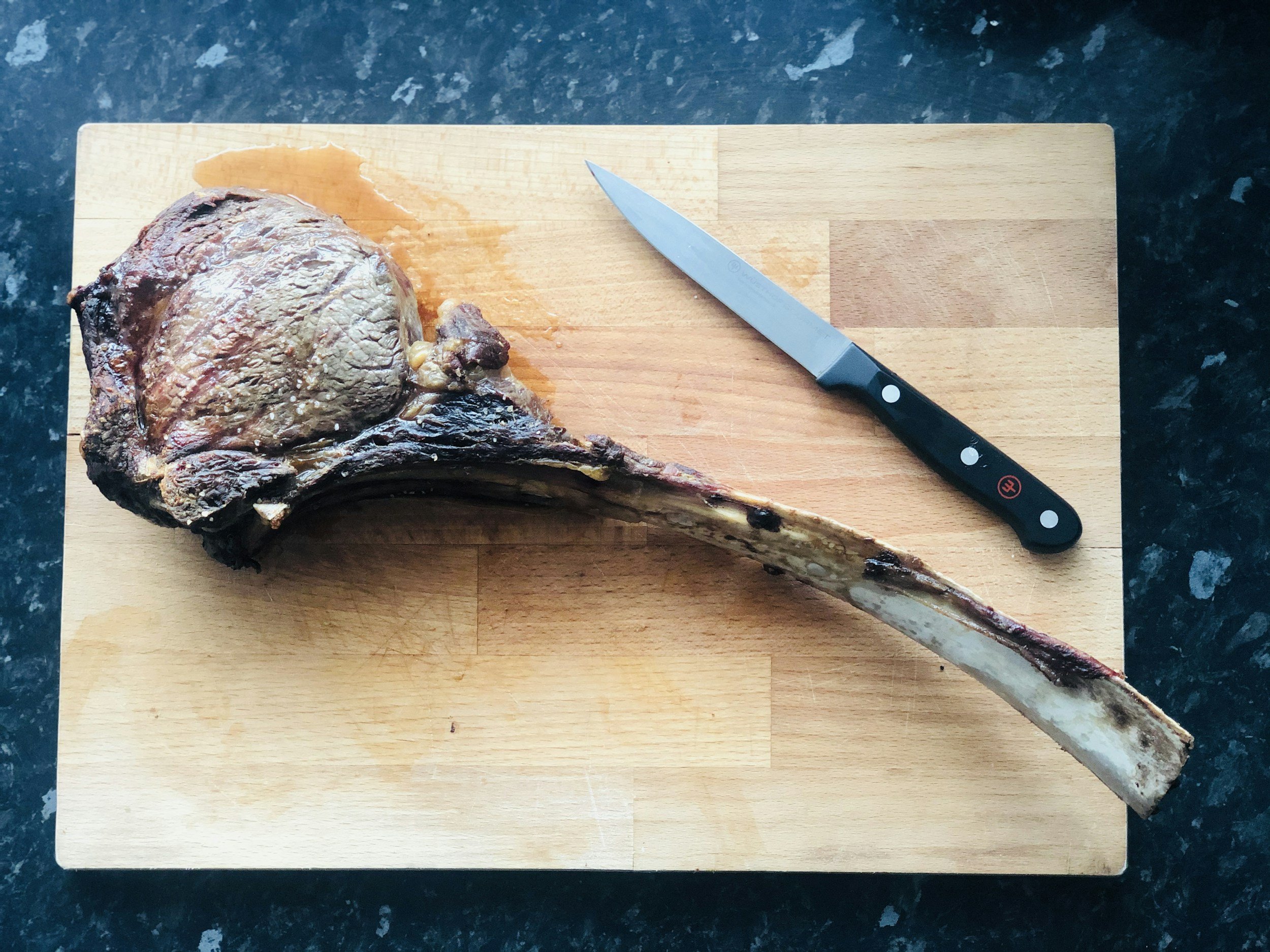
My husband is a hunter, and much of the meat we eat comes from wild deer. We also enjoy fish sourced through fishing whenever possible. This connection to naturally sourced food helped shape my understanding of what truly nourishes the body.
Over time, I realized that health is not found in extreme dietary rules. Instead, it comes from focusing on nutrient-dense foods while maintaining flexibility and common sense.
Why My Primal Diet Includes Some Grains
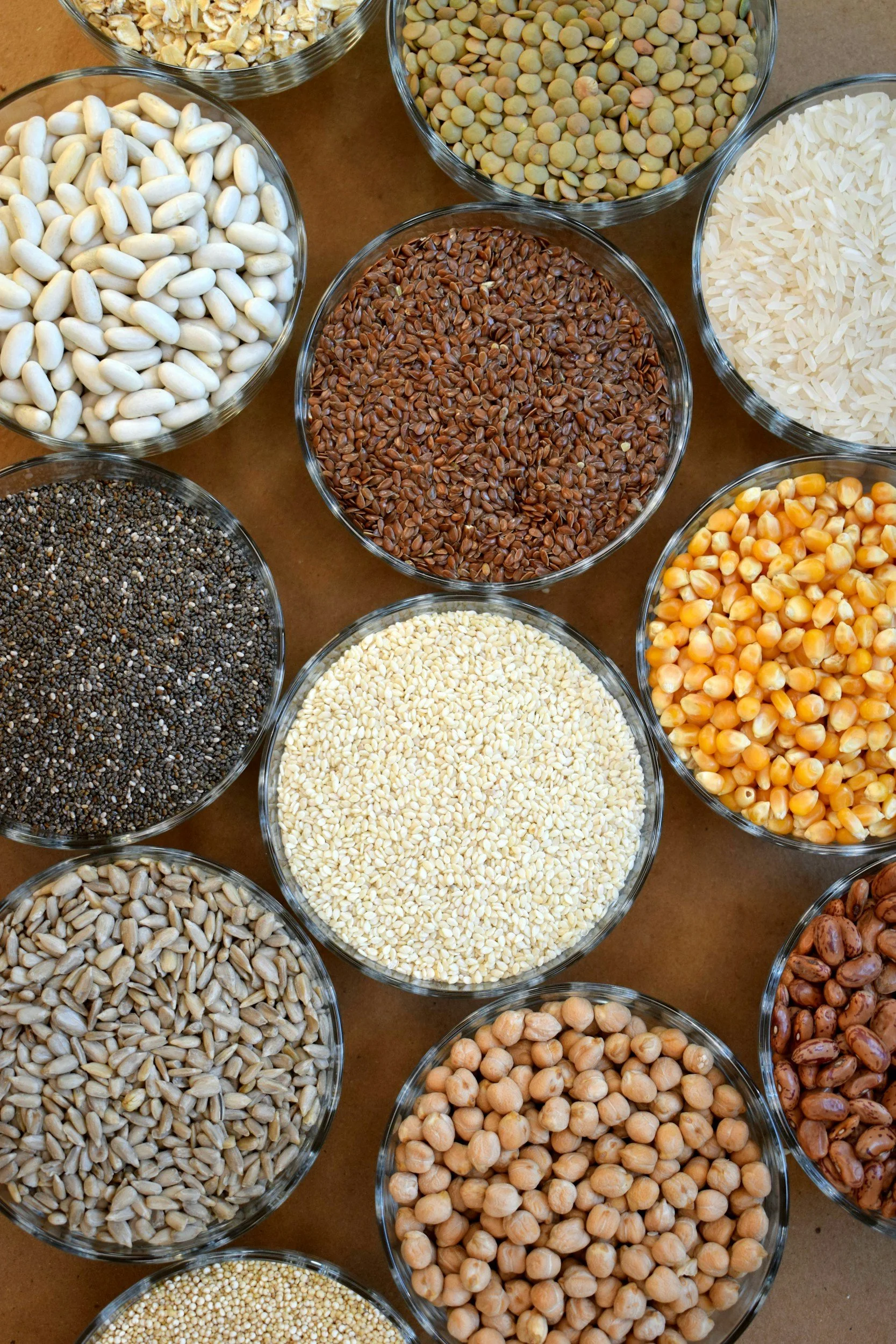
One of the biggest differences between my approach and strict Paleo is that I do not believe all grains are inherently harmful.
Many grains have been part of human diets for thousands of years.
Archaeological evidence suggests that humans were gathering and processing wild grains more than 20,000 years ago. Agriculture began approximately 10,000 to 12,000 years ago, introducing cultivated wheat, barley, millet, and other grains into human diets.
While this may seem recent compared to human evolution, it still represents hundreds of generations of adaptation.
The problem is often not the grain itself, but how modern grains are processed and consumed.
Today many grain products are:
Highly refined
Stripped of nutrients
Combined with seed oils and additives
Consumed in excessive amounts
This is very different from traditional grain foods.
Why I Include Sourdough Bread
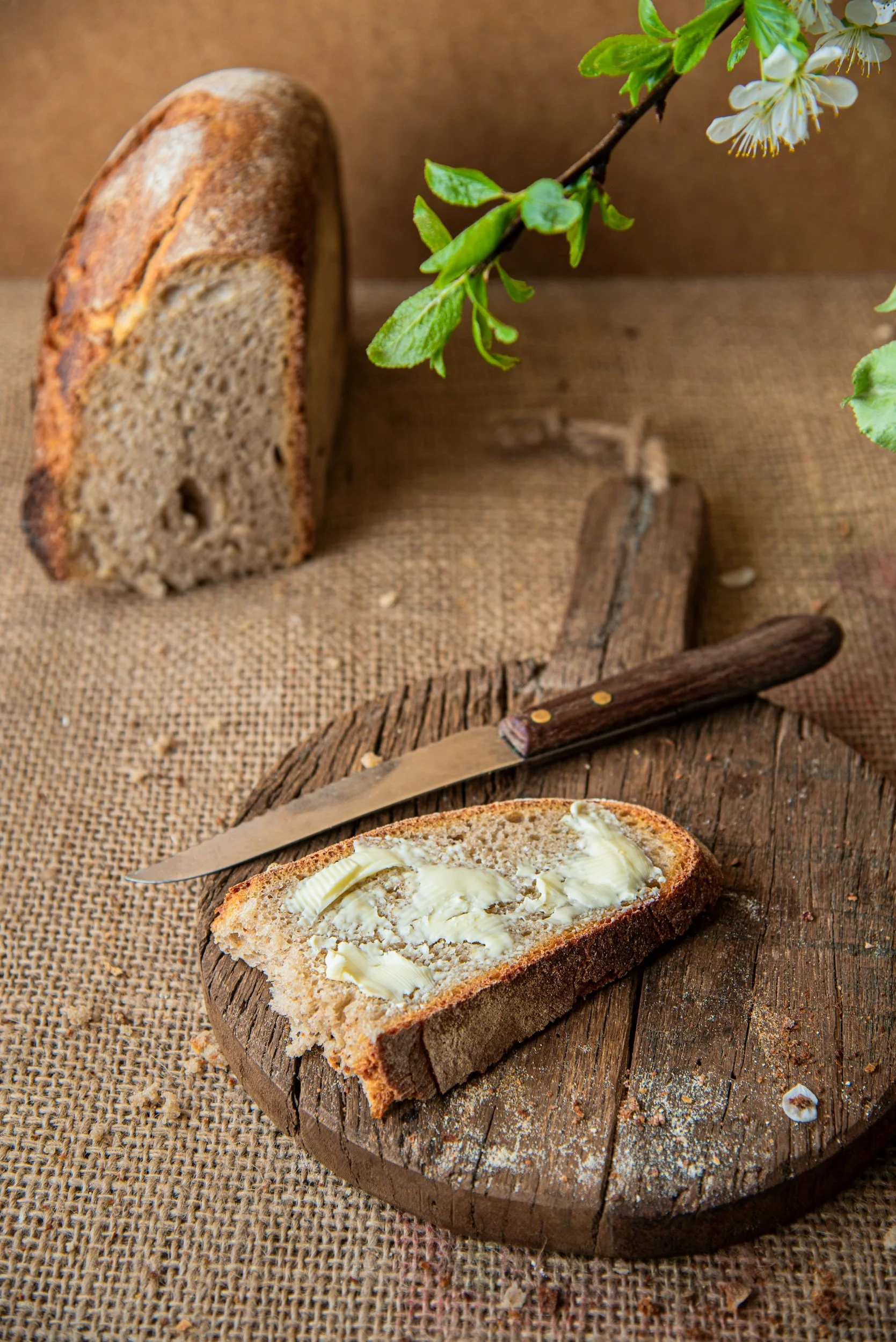
Traditional sourdough bread has been made for thousands of years.
The natural fermentation process helps:
Break down some anti-nutrients
Improve digestibility
Reduce phytic acid
Enhance flavor
Create beneficial organic acids
For individuals who tolerate gluten well, properly fermented sourdough can be a nutritious traditional food.
For those with celiac disease or gluten intolerance, gluten-free sourdough options can provide similar benefits.
Why I Include Gluten-Free Rice Pasta
Rice has been cultivated for at least 8,000 to 10,000 years and remains a staple food for billions of people.
Unlike modern wheat products, high-quality rice pasta is typically:
Made from simple ingredients
Easy to digest
Naturally gluten-free
Less processed than many modern convenience foods
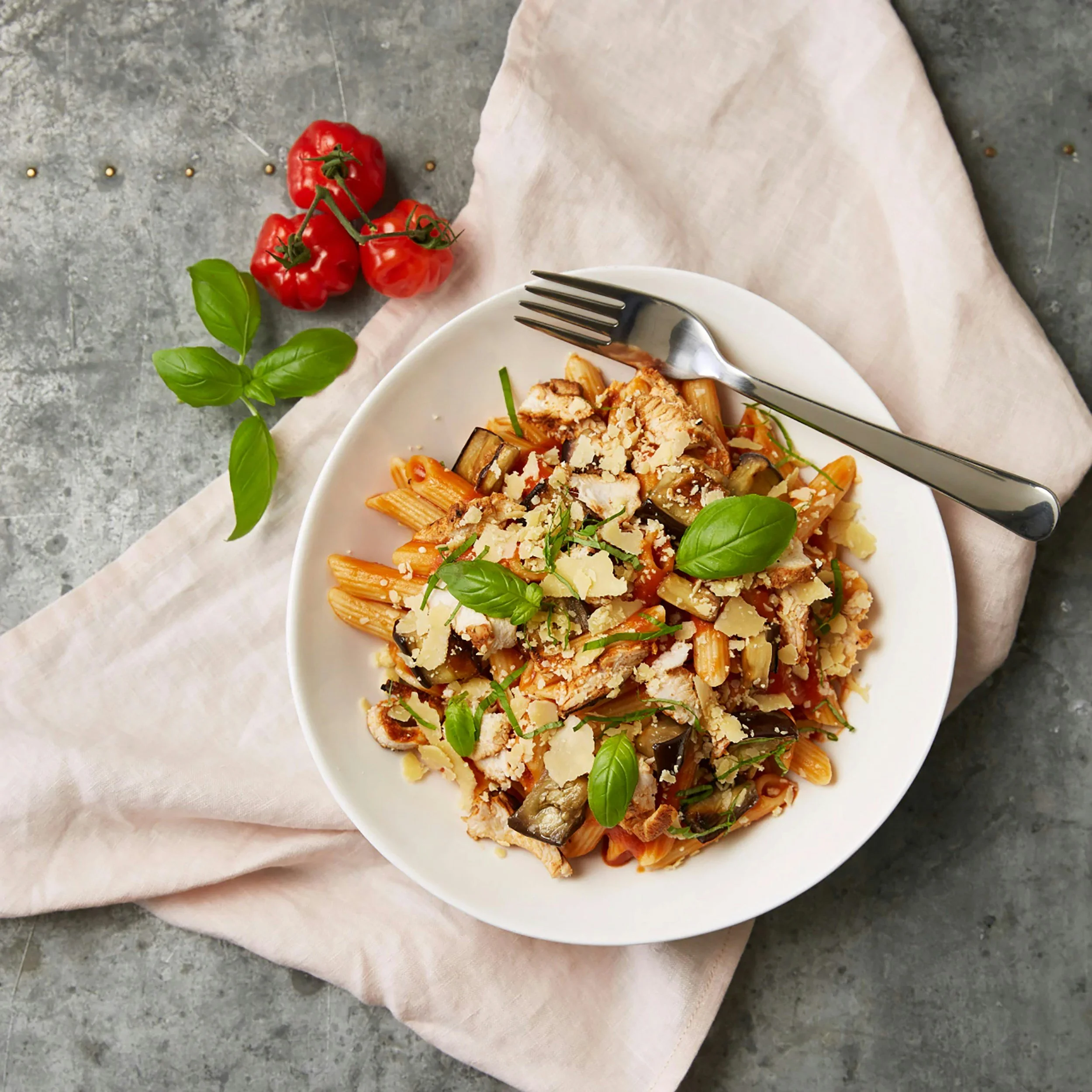
A bowl of rice pasta with quality meat, vegetables, and olive oil fits perfectly within my definition of modern primal eating.
Are Non-GMO Grains Primal?
In my opinion, choosing non-GMO and minimally processed grains can absolutely fit into a modern primal lifestyle.
Examples include:
Traditional sourdough bread
White rice
Brown rice
Quinoa
The goal is not perfection.
The goal is choosing foods that are as close to their natural form as possible.
What About Beans?
Beans are often excluded from strict Paleo diets because they contain lectins and other naturally occurring compounds that can reduce nutrient absorption.
However, traditional cultures have consumed beans for thousands of years.
Proper preparation methods such as:
Soaking
Sprouting
Fermenting
Slow cooking
can significantly improve digestibility.
For people who tolerate them well, beans can provide:
Fiber
Protein
Minerals
Resistant starch
Personally, I view beans as an optional food. Some people thrive with them, while others feel better without them.
The Primal Diet I Follow Today
My version of primal eating focuses on:
✓ Meat, fish, eggs, and seafood
✓ Vegetables and fruits
✓ Healthy fats such as butter, olive oil, avocado oil, and tallow
✓ Fermented foods
✓ Traditional sourdough bread
✓ Gluten-free rice pasta
✓ White rice and other minimally processed grains
✓ Local and seasonal foods whenever possible
✓ Food prepared from scratch
At the same time, I avoid:
✗ Ultra-processed foods
✗ Artificial ingredients
✗ Excessive sugar
✗ Industrial seed oils
✗ Highly refined convenience foods
Final Thoughts
For me, primal living is not about living exactly like a caveman.
It is about learning from our ancestors while embracing the best of modern knowledge.
A bowl of homemade soup, a slice of traditional sourdough, wild venison from a local hunt, fresh vegetables from the garden, or a comforting family meal made from real ingredients all have a place at my table.
My goal is simple: real food, traditional wisdom, and modern practicality.
That is what Modern Primal Living means to me.