
Protein Mango Fluff
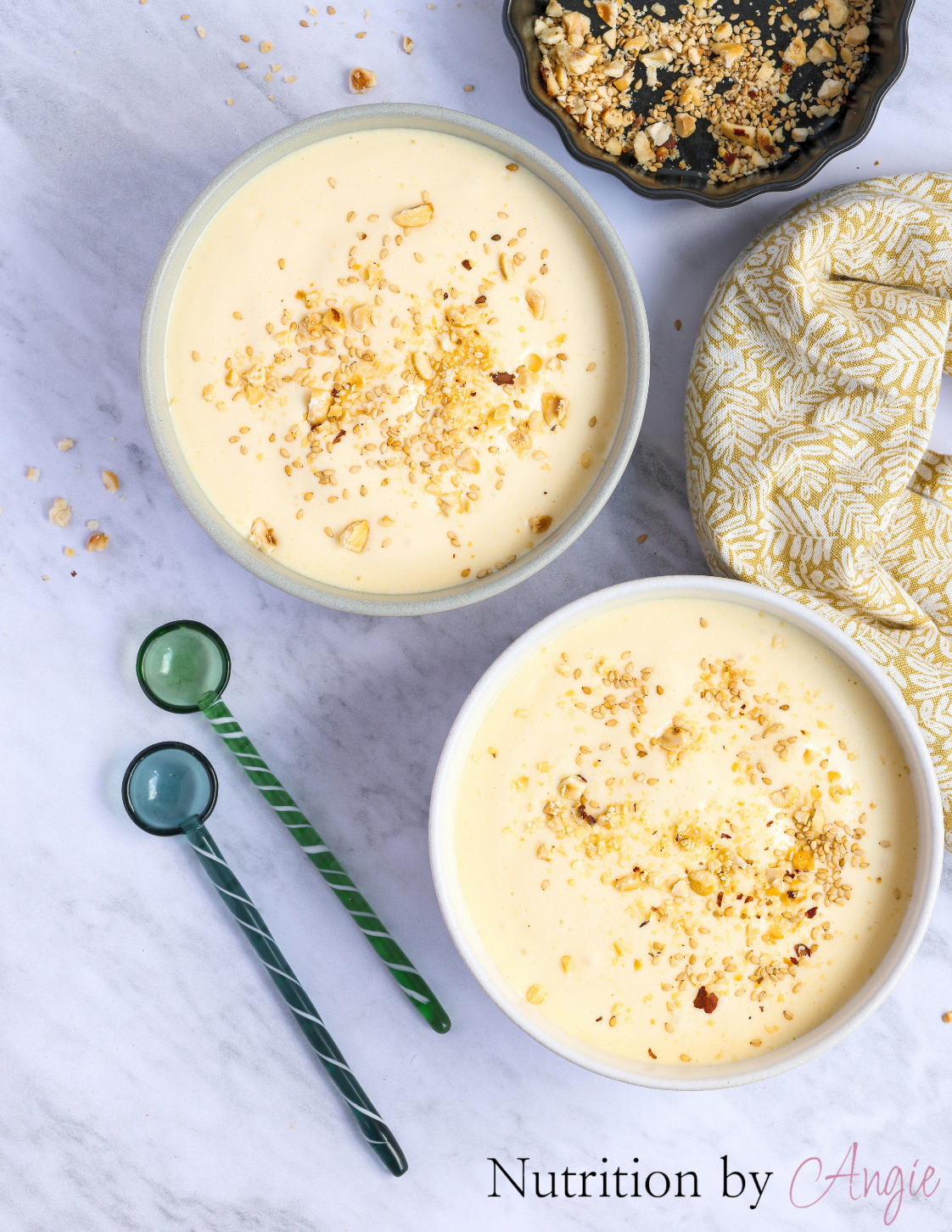
Protein Mango Fluff
Primal-Inspired • High-Protein • Vegetarian • Gluten-Free Option • Fruit-Based
Introduction
This Protein Mango Fluff is a thick, creamy and refreshing high-protein treat made with frozen mango, milk and vanilla protein powder, finished with crunchy peanuts and sesame seeds.
Frozen mango creates a naturally sweet, smooth and fluffy texture, while grass-fed vanilla protein powder transforms this simple fruit bowl into a substantial protein-rich breakfast, snack or post-workout meal. Crushed peanuts and sesame seeds provide a contrasting crunch and add additional fats, protein and minerals.
With only five ingredients, this easy high-protein mango recipe requires very little preparation. Using frozen fruit also means there's no need for ice, helping create a thick consistency somewhere between a smoothie bowl, mousse and soft-serve dessert.
For a primal-inspired version, choose full-fat milk and a high-quality protein powder with a relatively simple ingredient list. While mango is a whole fruit that can fit into a primal-style diet, its naturally high carbohydrate content means this particular recipe isn't suitable for a strict ketogenic or low-carb diet.
Whether you're looking for primal breakfast ideas, high-protein fruit recipes, mango protein bowls or easy protein powder recipes, this creamy mango fluff provides a naturally fruity alternative to conventional protein desserts.
Benefits of All the Ingredients
Milk
Milk provides the liquid needed to blend the frozen mango while contributing additional protein and creating a creamier texture.
It is a source of high-quality complete protein and provides several important nutrients, including calcium, phosphorus and vitamin B12.
Whole milk works particularly well for a primal-inspired version because its higher fat content creates a richer and creamier consistency.
Milk naturally contains lactose, so it contributes carbohydrates as well as protein and fat to the finished recipe.
Frozen Mango
Frozen mango is responsible for the naturally sweet flavour and thick, almost ice-cream-like consistency of this protein fluff.
Mango provides several important nutrients, particularly vitamin C, along with folate, vitamin A precursors and dietary fibre.
It also contains naturally occurring carotenoids and polyphenols.
Using frozen mango eliminates the need for ice and helps create a much thicker texture than fresh mango.
Mango is relatively high in naturally occurring sugars compared with berries. With 450 g used in this recipe, it contributes a substantial amount of carbohydrate, which is why this recipe should not be labelled keto or low-carb.
Grass-Fed Vanilla Protein Powder
Vanilla protein powder provides most of the protein in this recipe.
If using whey protein, it provides a complete source of protein containing all nine essential amino acids. Whey is particularly rich in leucine, an essential amino acid involved in stimulating muscle protein synthesis.
Using 90 g of protein powder makes this an especially protein-rich recipe, although the exact amount of protein per serving depends on the brand and number of portions.
For a primal-inspired version, choose a high-quality grass-fed whey protein with a relatively simple ingredient list and minimal unnecessary additives.
Peanuts
Crushed peanuts add a contrasting crunchy texture to the smooth mango fluff.
They provide plant-based protein, predominantly unsaturated fats, magnesium, niacin and vitamin E, alongside a small amount of dietary fibre.
Although peanuts are commonly treated like nuts in cooking, they are technically legumes. For this reason, peanuts are generally excluded from stricter versions of a traditional primal diet.
Because only 10 g is used here, I would classify the overall recipe as primal-inspired rather than strict primal.
For a more traditionally primal version, the peanuts could be replaced with chopped almonds or macadamia nuts.
Sesame Seeds
Sesame seeds provide additional crunch and a subtle nutty flavour.
Despite their small size, they contain several minerals, including calcium, magnesium, copper and manganese, along with predominantly unsaturated fats.
They also contain naturally occurring plant compounds called lignans, including sesamin and sesamolin.
Only a small amount is used as a topping, so their primary purpose in this recipe is adding texture and flavour.
Why This Recipe Works for a Primal-Inspired Diet
Primal-Inspired: Mango, milk and high-quality whey protein can fit within a flexible primal approach. Because peanuts are legumes and protein powder is processed, I would describe this as primal-inspired rather than strict primal.
High-Protein: The combination of 90 g protein powder and 300 ml milk provides a substantial amount of complete protein. The exact protein content will depend on the protein powder and milk used.
Vegetarian: The recipe contains dairy but no meat or fish, making it suitable for a lacto-vegetarian diet when the protein powder is vegetarian-compatible.
Gluten-Free Option: Mango, milk, peanuts and sesame seeds are naturally gluten-free. Check the protein powder label and use a certified gluten-free product when preparing this for someone with coeliac disease.
Not Keto or Low-Carb: Mango is naturally rich in carbohydrates. With 450 g of mango plus milk, this recipe should not be marketed as a keto or low-carb recipe.