
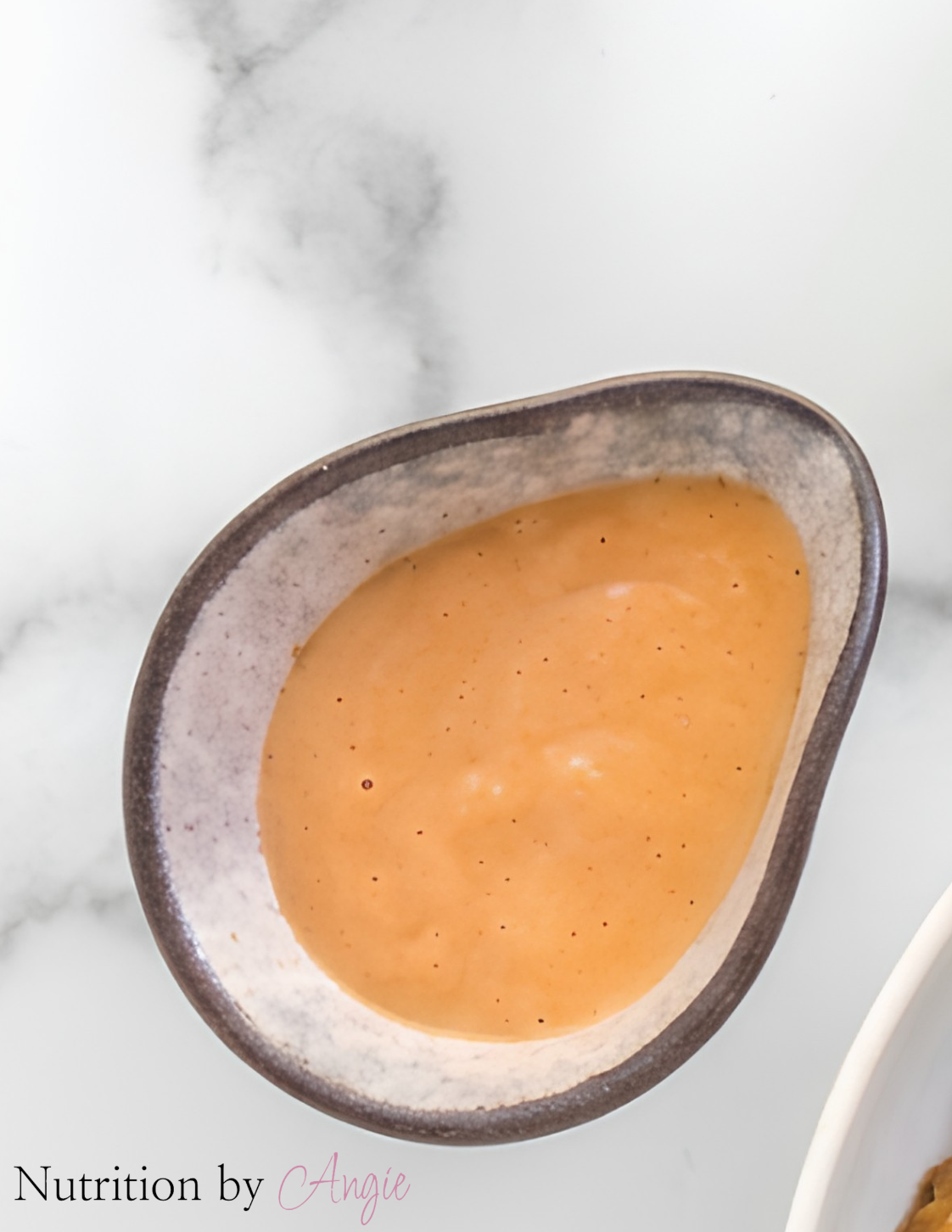
Creamy Mango Dressing
Vegan • Vegetarian • Plant-Based • Dairy-Free • Egg-Free • Gluten-Free When Using Suitable Ingredients • No Added Oil • Easy Homemade Dressing
Choose vegan, gluten-free mango chutney and peanut butter to suit your dietary requirements.
Introduction
This Creamy Mango Dressing is a deliciously smooth, fruity and nutty dressing made with just three simple ingredients: mango chutney, peanut butter and water.
Combining the tropical sweetness of mango with the rich, creamy flavour of peanuts, this homemade vegan dressing offers a wonderful balance of sweet, savoury and gently spiced flavours.
Mango chutney brings a fruity depth and aromatic character, while peanut butter creates a naturally creamy texture without the need for dairy products or additional oil.
A little water brings the ingredients together, creating a smooth, pourable dressing that works beautifully with salads, grain bowls, roasted vegetables and plant-based meals.
One of the highlights of this easy vegan mango dressing is its versatility. It can be enjoyed as a salad dressing, a dipping sauce, a topping for nourishing Buddha bowls or a flavourful accompaniment to tofu and vegetables.
The combination of mango and peanut butter is particularly delicious in Asian-inspired dishes, where fruity, nutty and savoury flavours complement one another.
Peanut butter contributes plant-based protein, predominantly unsaturated fats, vitamin E, niacin and magnesium.
These nutrients support a variety of normal body functions, including energy metabolism, muscle maintenance and the protection of cells from oxidative stress.
Mango chutney provides the distinctive fruity flavour of mango alongside aromatic spices, depending on the variety used.
Mango naturally contains carotenoids and other plant compounds, although the amount retained in chutney depends on its ingredients and preparation.
For anyone following a vegan or plant-based dietary pattern, this dressing is a convenient way to add flavour and richness to meals built around vegetables, legumes, whole grains and tofu.
It is also a wonderful example of how a small number of ingredients can create a satisfying sauce with very little preparation.
From a heart-health perspective, peanut butter provides predominantly unsaturated fats, which can contribute to a cholesterol-conscious dietary pattern when used in place of saturated-fat-rich ingredients.
Choosing a peanut butter made from 100% peanuts is a simple way to enjoy these nutritional benefits.
With its creamy texture, vibrant mango flavour and naturally nutty richness, this three-ingredient vegan mango dressingis a delicious addition to everyday whole-food-inspired meals.
Benefits of All the Ingredients
Mango Chutney
Mango chutney provides the fruity foundation of this dressing.
It is traditionally made with mango, spices and other ingredients that create a sweet, tangy and aromatic condiment.
Depending on the recipe or brand, mango chutney may contain ginger, garlic, vinegar, chilli or other warming spices.
The combination of fruit and spices gives this dressing its distinctive flavour.
Mango chutney may contribute:
Mango-Derived Carotenoids: Naturally occurring plant pigments.
Polyphenols: Plant compounds found in mango and some spices.
Carbohydrates: Provide energy for everyday activities.
Fruit-Derived Minerals: Including small amounts of potassium.
Aromatic Spice Compounds: Contribute flavour and dietary variety.
The precise nutrient content depends on the proportion of mango and other ingredients used in the chutney.
Mango and Carotenoids
Mango is naturally rich in colourful plant pigments, including beta-carotene.
Beta-carotene is a provitamin A carotenoid, meaning the body can convert it into vitamin A.
Vitamin A contributes to normal vision, immune function and the maintenance of healthy skin and mucous membranes.
The amount of beta-carotene in mango chutney varies depending on the mango content and processing method.
Mango and Antioxidant Plant Compounds
Mango contains naturally occurring polyphenols, including mangiferin and other phenolic compounds.
These compounds have been studied for their antioxidant properties.
Mango chutney can contribute some fruit-derived plant compounds, although their concentrations vary between products.
Including a wide variety of colourful fruits and vegetables is a practical way to obtain different plant compounds through the diet.
Mango Chutney and Flavour
Mango chutney provides a delicious combination of sweetness, acidity and aromatic spices.
This makes it particularly useful in plant-based cooking.
Its fruity flavour complements the richness of peanut butter and helps create a balanced dressing.
Choosing a Mango Chutney
For a whole-food-focused approach, choose a chutney with mango listed prominently among the ingredients.
A product with a simple ingredient list and a flavour you enjoy works particularly well.
Comparing sugar and sodium values can also help you select a chutney that suits your nutritional preferences.
Why Mango Chutney Works Well in Vegan Dressings
Mango chutney adds sweetness and depth without requiring several separate flavouring ingredients.
It pairs beautifully with peanuts, tofu, rice, noodles, legumes and fresh vegetables.
Its naturally fruity character makes this dressing especially enjoyable with colourful salads and Asian-inspired meals.
Peanut Butter
Peanut butter provides the creamy texture and rich, nutty flavour of this mango dressing.
It is made by grinding roasted peanuts into a smooth paste.
Peanuts are botanically legumes, although they are commonly used in the same way as nuts.
Peanut butter is a valuable plant-based ingredient because it provides unsaturated fats, protein, dietary fibre and several important vitamins and minerals.
Peanut butter contains:
Monounsaturated Fats: Contribute to a heart-conscious dietary pattern.
Polyunsaturated Fats: Provide essential fatty acids.
Plant-Based Protein: Supports normal muscle maintenance and tissue repair.
Dietary Fibre: Supports normal digestive function.
Vitamin E: Helps protect cells from oxidative stress.
Niacin (Vitamin B3): Supports normal energy metabolism.
Magnesium: Supports normal muscle and nerve function.
Phosphorus: Supports healthy bones and teeth.
Copper: Supports normal iron transport.
Manganese: Contributes to normal metabolism.
Folate: Supports normal cell division.
Peanut Butter and Heart Health
Peanut butter contains predominantly unsaturated fats, particularly monounsaturated fatty acids.
Replacing saturated fats with unsaturated fats is an established dietary strategy for improving blood cholesterol levels.
This makes peanut butter a useful ingredient in a heart-conscious plant-based dietary pattern.
Peanuts also contain naturally occurring phytosterols, which are plant compounds structurally similar to cholesterol.
Phytosterols have been studied for their effects on intestinal cholesterol absorption.
The amounts naturally present in ordinary servings of peanut butter are smaller than the quantities used in cholesterol-lowering fortified foods.
Nevertheless, peanuts contribute a combination of unsaturated fats, fibre and other nutrients that can support an overall heart-conscious diet.
Peanut Butter and Plant-Based Protein
Peanut butter provides plant-based protein.
Protein is essential for normal muscle maintenance, tissue repair and the production of enzymes and other important molecules.
The 85g of peanut butter used in this dressing contributes a meaningful amount of protein across the entire recipe.
The amount per serving depends on how the dressing is divided.
When paired with tofu, chickpeas, lentils or other protein-rich plant foods, this dressing can complement a satisfying vegan meal.
Peanut Butter and Vitamin E
Vitamin E is a fat-soluble vitamin that helps protect cells from oxidative stress.
Peanut butter contributes vitamin E alongside other foods such as almonds, sunflower seeds and vegetable oils.
Vitamin E is an important part of a balanced diet containing a variety of plant foods.
Peanut Butter and Magnesium
Magnesium is involved in hundreds of biochemical processes.
It contributes to normal muscle and nerve function, energy metabolism and electrolyte balance.
Peanut butter provides magnesium, making it a useful addition to a varied plant-based diet.
Peanut Butter and Dietary Fibre
Peanut butter contains dietary fibre derived from peanuts.
Fibre supports normal digestive function and contributes to overall dietary quality.
Although peanut butter contains some fibre, foods such as legumes, vegetables, fruit and whole grains remain important for meeting daily fibre needs.
Peanut Butter and Satiety
Peanut butter provides a combination of fat, protein and fibre.
These nutrients can contribute to the feeling of fullness after eating.
Using peanut butter in a dressing can add richness and make vegetable-based meals more satisfying.
Choosing the Best Peanut Butter
For this recipe, smooth peanut butter made from 100% roasted peanuts is an excellent choice.
Natural peanut butter provides the flavour and texture of peanuts without requiring additional ingredients.
Stir thoroughly before use if the natural oils have separated.
Allergen consideration: Peanut butter contains peanuts, a major food allergen.
Water
Water is the third ingredient in this dressing and plays an important role in creating its smooth consistency.
Although water does not provide energy, protein or vitamins, it is essential for normal body function.
Water contributes to:
Hydration: Supports normal fluid balance.
Temperature Regulation: Helps maintain normal body temperature.
Nutrient Transport: Forms part of the body's transport systems.
Normal Digestion: Supports the movement and processing of food.
Texture: Helps create a smooth, pourable dressing.
Water and Dressing Consistency
Peanut butter has a naturally thick texture.
Adding water helps loosen the peanut butter and allows it to combine smoothly with the mango chutney.
The result is a creamy dressing that can be drizzled over salads, vegetables and grain bowls.
Why Water Works Well Instead of Additional Oil
Water allows the dressing to become more pourable without increasing its fat content.
The peanut butter already provides the natural fats needed for a rich, satisfying texture.
This makes water a simple and practical ingredient for adjusting consistency.
Adjusting the Thickness
The 80ml of water creates a dressing suitable for many meals.
For a thicker dipping sauce, use slightly less water.
For a thinner salad dressing, add a little more until the desired consistency is reached.
The final texture also depends on the thickness of the peanut butter and mango chutney.
Why Creamy Mango Dressing Makes a Nourishing Addition to Vegan Meals
Provides Heart-Friendly Unsaturated Fats
Peanut butter contributes predominantly unsaturated fats, which can support healthy blood cholesterol levels when replacing saturated fats.
Contains Plant-Based Protein
Peanuts provide protein that contributes to normal muscle maintenance.
Provides Important Minerals
Peanut butter contributes magnesium, phosphorus, copper and manganese.
Contains Vitamin E
Peanuts provide vitamin E, which helps protect cells from oxidative stress.
Includes Fruit-Derived Plant Compounds
Mango chutney contributes flavour and may provide carotenoids and polyphenols derived from mango.
Creates Creaminess Without Dairy
Peanut butter provides a rich texture without cream, milk or cheese.
Requires No Additional Oil
The natural fats in peanut butter create a satisfying dressing.
Complements Fibre-Rich Meals
The dressing pairs particularly well with vegetables, legumes and whole grains.
Makes Plant-Based Meals More Enjoyable
Its fruity, nutty flavour adds variety to everyday vegan cooking.
Delicious Serving Suggestions
With Colourful Buddha Bowls
Drizzle the mango dressing over a bowl containing brown rice, chickpeas, shredded carrots, cucumber, red cabbage and leafy greens.
The fruity flavour complements the vegetables and adds a creamy richness.
With Grilled or Baked Tofu
Serve alongside grilled tofu or crispy baked tofu.
The peanut butter provides a nutty flavour that pairs beautifully with the mild taste of tofu.
With Asian-Inspired Noodle Salads
Toss through gluten-free rice noodles with shredded vegetables, fresh herbs and spring onions.
The dressing creates a creamy sauce with a delicious balance of sweet and savoury flavours.
With Roasted Vegetables
Drizzle over roasted sweet potatoes, cauliflower, broccoli or carrots.
The natural sweetness of roasted vegetables complements the mango chutney.
With Fresh Summer Salads
Serve over mixed lettuce, cucumber, peppers, shredded carrots and fresh mango.
The dressing adds a tropical flavour to light, refreshing salads.
As a Vegan Dipping Sauce
Use as a dip for fresh vegetable sticks, tofu bites or homemade vegan spring rolls.
For dipping, prepare a slightly thicker consistency.
Tips for the Best Creamy Mango Dressing
Choose a good-quality mango chutney: A mango-rich chutney provides the best fruity flavour.
Use smooth peanut butter: It creates the creamiest consistency.
Choose natural peanut butter: A product made from 100% peanuts is a useful whole-food-focused option.
Stir the peanut butter thoroughly: Natural oils may separate during storage.
Use room-temperature ingredients: They generally combine more easily.
Add the water gradually: This helps control the final consistency.
Whisk thoroughly: A smooth, evenly combined dressing provides the best texture.
Use a blender if preferred: Blending can create an especially silky dressing.
Adjust the sweetness: Different mango chutneys vary in sweetness and spice.
Adjust the thickness: Add a little more water for a thinner dressing.
Create a thicker dip: Use less water for serving with vegetables or tofu.
Experiment with the chutney: Mild or spiced mango chutney can create different flavour profiles.
Serve chilled or at room temperature: Both work well, depending on the meal.
Prepare ahead of time: The flavours can develop as the dressing rests.
Store in an airtight container: Refrigerate promptly and enjoy within approximately 3–4 days.
Stir before serving: The dressing may thicken slightly during refrigeration.
Use clean utensils: This helps maintain freshness.
Check packaged ingredients: Choose gluten-free and vegan products where required.
Clearly identify peanut allergens: This dressing contains peanuts.
Pair with vegetables and legumes: These foods complement the dressing with additional fibre and nutrients.
A Note on Mango, Healthy Fats and Cholesterol-Friendly Nutrition
This Creamy Mango Dressing combines the fruity flavour of mango chutney with the nutritional benefits of peanut butter to create a delicious vegan sauce.
Peanut butter provides predominantly unsaturated fats, plant-based protein, vitamin E, magnesium and other important nutrients.
From a cardiovascular perspective, the unsaturated fats in peanuts are particularly valuable.
Replacing saturated fats with unsaturated fats can help improve LDL cholesterol levels as part of a balanced dietary pattern.
Choosing peanut butter made from 100% peanuts is a practical way to include these fats without additional oils.
Mango chutney contributes a vibrant fruity flavour and may provide naturally occurring plant compounds from mango and spices.
Because chutney recipes vary, selecting a product with a high mango content and a sugar level that suits your preferences can help you tailor the dressing to your nutritional goals.
The dressing is particularly well suited to meals containing fibre-rich foods such as chickpeas, lentils, vegetables and whole grains.
Dietary fibre plays an important role in digestive health, and certain soluble fibres can contribute to cholesterol management.
Together, these ingredients can form part of a varied Mediterranean-inspired or plant-based dietary pattern that emphasises vegetables, legumes, whole grains, nuts, seeds and predominantly unsaturated fats.
The combination of fruit and peanuts also provides a satisfying contrast of flavours, making nutritious plant-based meals more appealing.
With its smooth texture, tropical sweetness and rich peanut flavour, this Creamy Vegan Mango Dressing is a simple and versatile addition to everyday vegan cooking.