
Soft Gluten-Free Pita Bread
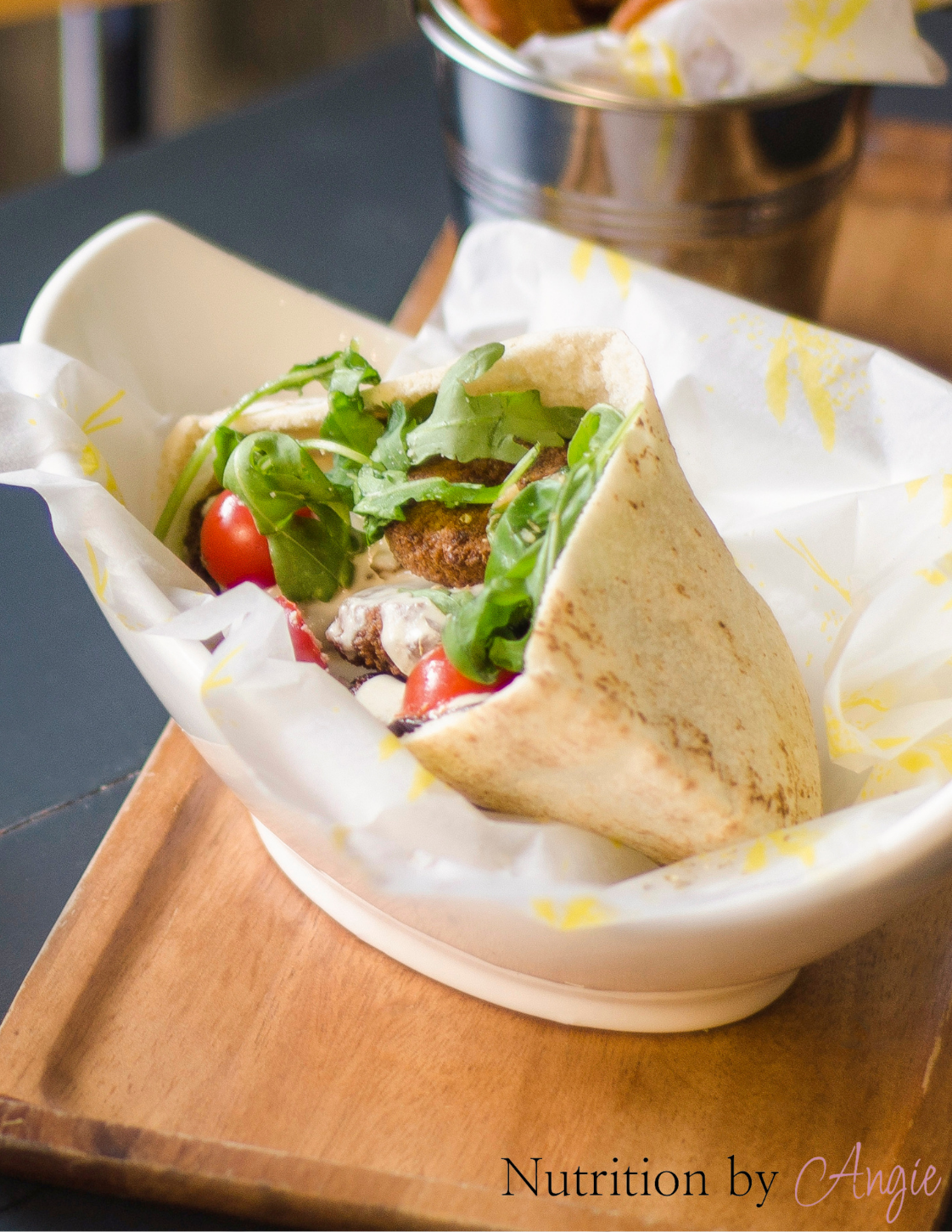
Soft Gluten-Free Pita Bread
Gluten-Free • Vegan • Vegetarian • Dairy-Free • Egg-Free
Introduction
This Soft Gluten-Free Pita Bread is a homemade alternative to traditional wheat-based pita, made with millet flour, tapioca starch and psyllium husk to create a soft, flexible texture.
Gluten is normally responsible for much of the elasticity and structure in conventional pita bread. In this gluten-free version, psyllium husk helps provide flexibility and structure, while tapioca starch contributes softness and chew. Millet flour gives the bread more substance and a mild flavour, and extra-virgin olive oil helps keep the finished pita tender.
The recipe is naturally vegan, vegetarian, dairy-free and egg-free, making it a versatile bread for a variety of dietary needs. Fill the pitas with vegetables, falafel, chickpeas or other favourite fillings, or serve them alongside dips and soups.
For someone with coeliac disease, use ingredients specifically labelled or certified gluten-free where there is a risk of cross-contact, particularly the millet flour and psyllium husk.
Benefits of All the Ingredients
Whole Psyllium Husk
Psyllium husk is particularly valuable in gluten-free bread making because it helps compensate for some of the structural properties normally provided by gluten.
When combined with water, psyllium absorbs liquid and forms a gel. This helps bind the dough, retain moisture and improve flexibility, making the pita easier to shape and less likely to crumble.
Psyllium is also exceptionally rich in soluble dietary fibre.
Although psyllium itself is naturally gluten-free, choose a product specifically labelled gluten-free when preparing bread for someone with coeliac disease.
Water
Lukewarm water hydrates the flour, starch and psyllium while also creating an appropriate environment for the yeast.
The psyllium absorbs a considerable amount of water, helping create a dough that can remain softer and more flexible despite containing no gluten.
Using lukewarm rather than very hot water is important because excessive heat can damage the yeast.
Millet Flour
Millet flour provides the main flour component of this gluten-free pita bread.
Millet is a naturally gluten-free grain that provides complex carbohydrates, some plant-based protein and dietary fibre, along with nutrients including magnesium, phosphorus and manganese.
Its mild, slightly nutty flavour works particularly well in bread and provides more nutritional substance than relying exclusively on refined starches.
Millet is naturally gluten-free, but cross-contact with wheat and other gluten-containing grains can occur during processing. Choose certified gluten-free millet flour for coeliac-safe baking.
Tapioca Starch
Tapioca starch is derived from cassava root and plays an important role in the texture of gluten-free bread.
It primarily provides carbohydrate and has relatively little protein or fibre, so its main contribution is functional rather than nutritional.
In gluten-free baking, tapioca starch can help produce a softer, lighter and slightly chewy texture, complementing the more substantial millet flour.
Tapioca is naturally gluten-free. A gluten-free-labelled product is preferable when strict gluten avoidance is required.
Instant Dried Yeast
Yeast allows the pita dough to rise and contributes to its characteristic bread-like flavour and texture.
During fermentation, yeast uses available sugars and produces carbon dioxide, creating gas bubbles within the dough. Psyllium helps the gluten-free dough retain some of this gas so the bread can develop a lighter structure.
Yeast itself is generally gluten-free, but always check the packaging when preparing food for someone with coeliac disease, particularly with yeast blends or products containing additional ingredients.
Caster Sugar
A small amount of caster sugar provides readily available carbohydrate for the yeast and contributes to the bread's flavour and browning.
Although sugar provides energy, it does not contribute significant amounts of vitamins, minerals, protein or fibre.
Only a small quantity is used across the entire batch, and its primary purpose is to support the bread-making process rather than make the pita noticeably sweet.
Fine Sea Salt
Salt enhances the flavour of the bread and also plays an important role in yeast dough.
It helps regulate yeast activity and contributes to the overall structure and flavour of the finished pita.
Because sodium intake can add up across meals, only the amount needed for the recipe is used.
Extra-Virgin Olive Oil
Extra-virgin olive oil helps create a softer dough and adds a subtle richness to the finished pita.
It consists predominantly of monounsaturated fat, particularly oleic acid, and also contains naturally occurring polyphenols and vitamin E in varying amounts.
Using extra-virgin olive oil is an easy way to incorporate a minimally processed fat into homemade gluten-free bread while helping the pita remain soft and tender.