
Simple Tofu Katsu Curry
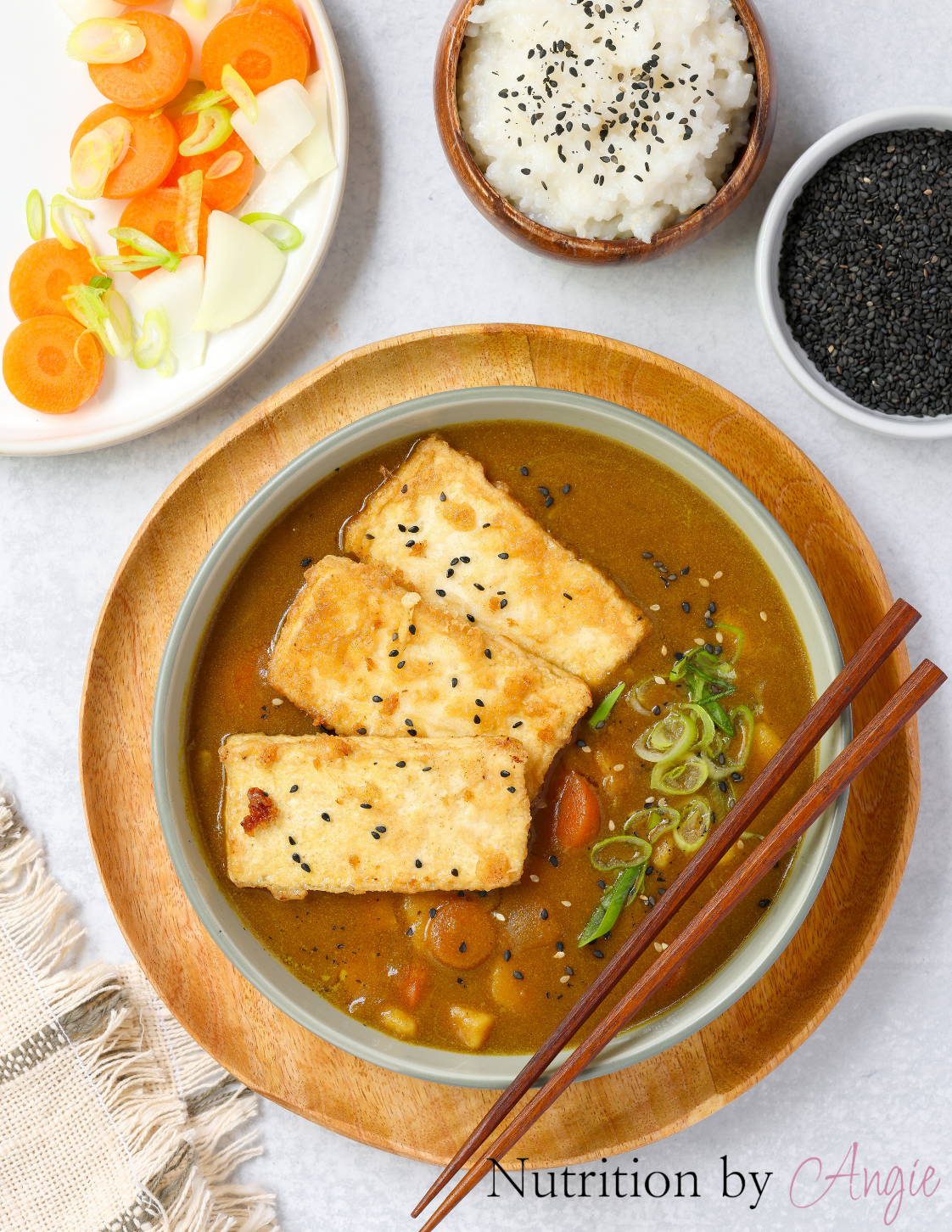
Simple Tofu Katsu Curry
Gluten-Free • Vegan • Vegetarian • Plant-Based Option • Dairy-Free Option • High-Protein
Introduction
This Simple Tofu Katsu Curry is an easy plant-based take on Japanese-inspired comfort food, combining crispy tofu with tender potatoes and carrots in a rich, warming curry sauce.
Firm tofu provides complete plant-based protein, while a light coating of cornflour creates a crisp exterior without needing traditional breadcrumbs or wheat flour. Potatoes and carrots make the curry more substantial and provide fibre, carbohydrates and valuable micronutrients.
This recipe can easily become a gluten-free vegan or gluten-free vegetarian curry, but the Japanese curry sauce is the ingredient that needs the most careful attention. Many traditional Japanese curry roux blocks and ready-made curry sauces contain wheat flour, and some may also contain dairy or other animal-derived ingredients. Choose a sauce specifically labelled gluten-free and vegan when required.
Benefits of All the Ingredients
Firm Tofu
Tofu provides the main protein component of this curry.
Made from soybeans, tofu provides complete plant-based protein, meaning it contains all nine essential amino acids.
It also provides nutrients including iron, magnesium and phosphorus, while tofu made using calcium salts can contribute a significant amount of calcium.
Firm tofu contains less water than softer varieties, helping it maintain its shape and develop a firmer exterior during cooking.
Plain tofu is naturally gluten-free, but flavoured or pre-marinated varieties should be checked for gluten-containing sauces or seasonings.
Cornstarch (Cornflour)
Cornstarch creates a light coating around the tofu, helping it develop a crisp exterior without conventional wheat flour or breadcrumbs.
It is primarily a source of carbohydrate and is used here mainly for its functional role in creating texture rather than for its micronutrient content.
Pure cornstarch is naturally gluten-free. When cooking for someone with coeliac disease, choose a product specifically labelled gluten-free if there is a possibility of cross-contact during manufacturing.
Coconut Oil
Coconut oil provides the cooking fat used to crisp the tofu.
Unlike olive oil, avocado oil and many other plant oils, coconut oil contains a relatively high proportion of saturated fat.
It is naturally vegan, dairy-free and gluten-free. Because only a small amount is needed for cooking, it can be used primarily for the flavour and texture it brings to the dish.
Potatoes
Potatoes make the curry more substantial and absorb the flavour of the Japanese curry sauce as they cook.
They provide carbohydrates, potassium, vitamin C and vitamin B6, along with some dietary fibre.
Potatoes are naturally gluten-free, vegan and relatively neutral in flavour, making them particularly well suited to rich curry sauces.
Carrot
Carrot adds natural sweetness, colour and texture to the curry.
Orange carrots are particularly rich in beta-carotene, which the body can convert into vitamin A.
They also provide dietary fibre, potassium and vitamin K.
Carrots are naturally gluten-free, vegan and pair particularly well with potatoes and warming curry flavours.
Japanese Curry Sauce
Japanese curry sauce provides the characteristic thick, savoury and gently spiced flavour of the dish.
Ingredients vary significantly between brands. Depending on the product, Japanese curry sauce may contain spices, vegetables, fruit, oils, sweeteners and various seasonings.
Importantly, many traditional Japanese curry roux blocks and prepared sauces contain wheat flour, meaning Japanese curry should not automatically be assumed to be gluten-free.
Some products may also contain milk, honey or other animal-derived ingredients.
For a gluten-free vegan tofu katsu curry, choose a Japanese curry sauce that is specifically labelled both gluten-free and vegan. Checking the allergen statement is particularly important rather than relying solely on the name or style of the sauce.