
Multi-Seed Bread
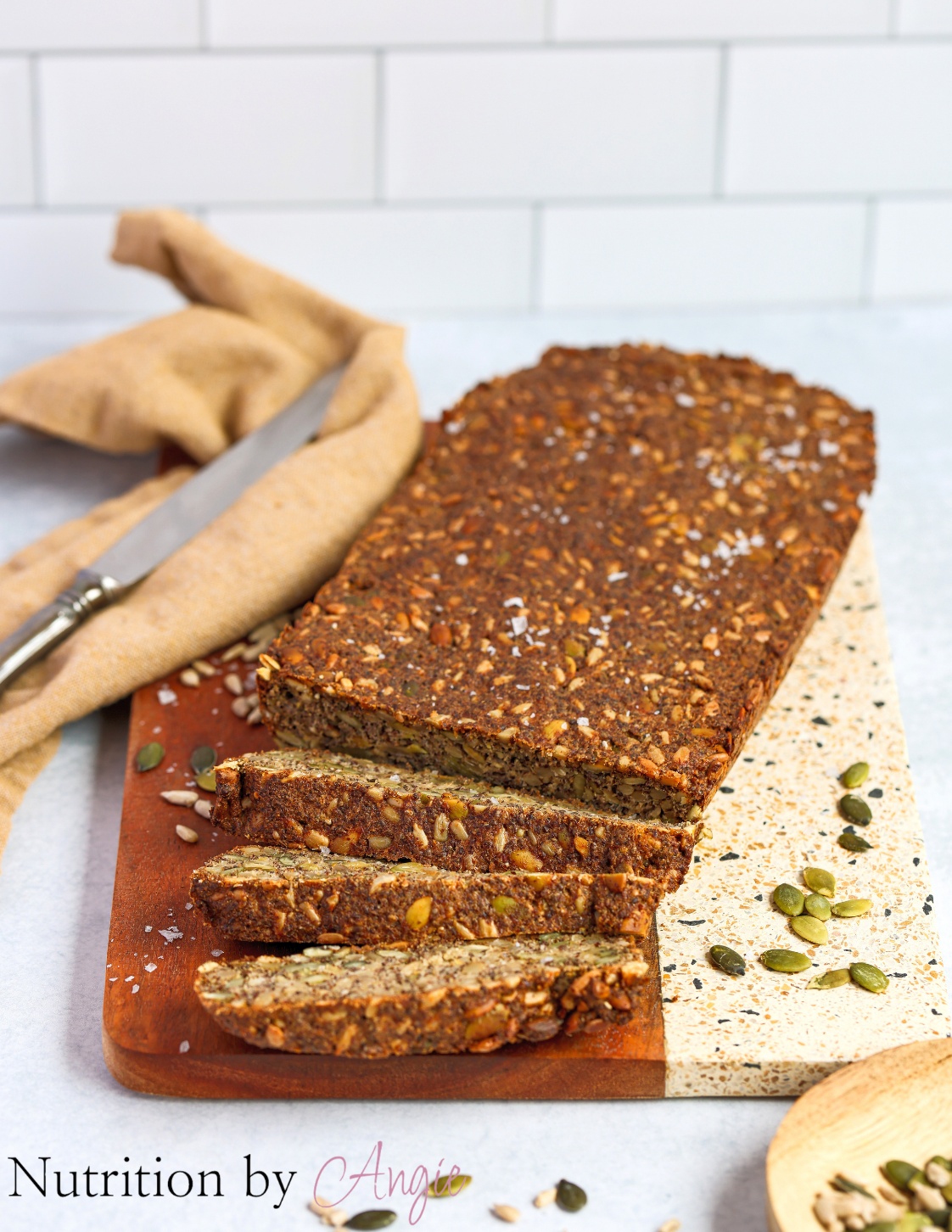
Multi-Seed Bread
Gluten-Free • Vegan • Vegetarian • Plant-Based • Dairy-Free • Egg-Free • Grain-Free • High-Fibre • Protein-Rich • Whole-Food Focused
Introduction
This Multi-Seed Bread is a hearty, nourishing and naturally gluten-free alternative to traditional wheat-based bread. Made with a wholesome combination of psyllium husk, chia seeds, ground flaxseed, sunflower seeds, pumpkin seeds, hemp seeds, sesame seeds and tahini, it offers a deliciously nutty flavour and a satisfying, dense texture.
Unlike conventional bread, which relies on wheat flour and gluten to create structure, this homemade seed bread uses psyllium husk and chia seeds as natural binding ingredients. When mixed with water, they form a gel-like consistency that helps hold the seeds together without the need for eggs, wheat flour or commercial gluten substitutes.
The combination of seeds provides plant-based protein, dietary fibre, predominantly unsaturated fats and essential minerals, including magnesium, zinc, iron and phosphorus. Ground flaxseed and chia seeds also contribute plant-based omega-3 fatty acids, while hemp seeds provide additional protein and healthy fats.
Tahini adds a rich sesame flavour and helps create a cohesive texture, while a small amount of maple syrup provides a gentle touch of sweetness.
This gluten-free vegan and grain-free bread is ideal for anyone looking for a nourishing alternative to conventional bread, particularly those following gluten-free, plant-based or whole-food-focused eating patterns.
Enjoy it toasted with avocado, hummus, nut butter or your favourite savoury toppings. Its dense, seed-rich texture makes it particularly satisfying when sliced thinly.
Because this bread is made predominantly from seeds, it is naturally energy-dense and contains a substantial amount of fat, although much of that fat is unsaturated.
Benefits of All the Ingredients
Psyllium Husk Powder
Psyllium husk powder is one of the most important ingredients in this gluten-free bread because it provides structure and binding.
Psyllium is derived from the outer husks of the seeds of the Plantago ovata plant.
It is particularly rich in soluble dietary fibre, which absorbs water and forms a gel-like consistency.
This makes psyllium especially useful in gluten-free baking, where it can help replace some of the structural properties normally provided by gluten.
Psyllium offers several nutritional benefits:
Soluble Fibre: Supports normal digestive function.
Bowel Regularity: Psyllium can help soften hard stools and improve stool consistency when consumed with sufficient fluid.
Cholesterol Management: Regular consumption of adequate amounts of psyllium soluble fibre can help lower LDL cholesterol.
Digestive Health: Its water-holding properties can support normal bowel movements.
Psyllium contributes very little digestible carbohydrate, making it a useful ingredient in fibre-rich recipes.
Because psyllium absorbs substantial amounts of water, sufficient liquid is essential when preparing this bread.
Psyllium is naturally gluten-free, although packaged products should be checked for cross-contact when preparing food for someone with coeliac disease.
Chia Seeds
Chia seeds help bind the ingredients together while providing valuable nutrients.
When combined with water, chia seeds absorb liquid and develop a gel-like coating, helping create structure in egg-free and gluten-free baking.
They are particularly rich in dietary fibre, plant-based omega-3 fatty acids and minerals.
Chia seeds provide:
Omega-3 Fatty Acids (ALA): Contribute essential plant-based fats.
Dietary Fibre: Supports normal digestive function.
Plant-Based Protein: Contributes to normal muscle maintenance.
Calcium: Supports healthy bones and teeth.
Magnesium: Supports normal muscle and nerve function.
Phosphorus: Contributes to healthy bones and teeth.
Manganese: Supports normal metabolism.
Chia seeds are naturally gluten-free, vegan and grain-free.
Ground Flaxseed
Ground flaxseed contributes a mild nutty flavour and helps create a cohesive bread mixture.
Flaxseed is particularly rich in alpha-linolenic acid (ALA), an essential plant-based omega-3 fatty acid.
It also contains dietary fibre and naturally occurring lignans.
Ground flaxseed provides:
Omega-3 Fatty Acids: Contribute to essential fatty acid intake.
Dietary Fibre: Supports digestive health.
Thiamine (Vitamin B1): Supports normal energy metabolism.
Magnesium: Contributes to normal muscle and nerve function.
Manganese: Supports normal metabolism.
Plant-Based Protein: Contributes to normal muscle maintenance.
Grinding flaxseeds makes their nutrients more accessible during digestion.
Like chia seeds, ground flaxseed absorbs moisture and helps bind ingredients together.
Flaxseed is naturally gluten-free, vegan and grain-free.
Raw Sunflower Seeds
Sunflower seeds provide a satisfying crunch and mild nutty flavour.
They are particularly rich in vitamin E, predominantly unsaturated fats and important minerals.
Their nutrients include:
Vitamin E: Helps protect cells from oxidative stress.
Magnesium: Supports normal muscle and nerve function.
Copper: Contributes to normal iron transport.
Selenium: Supports normal thyroid function.
Phosphorus: Contributes to healthy bones and teeth.
Vitamin B6: Supports normal energy metabolism.
Plant-Based Protein: Supports normal muscle maintenance.
Sunflower seeds also contain naturally occurring phytosterols and other plant compounds.
Their unsaturated fats make them a valuable ingredient in a balanced eating pattern.
Choose plain, raw sunflower seeds without added salt or flavourings.
Raw Pumpkin Seeds (Pepitas)
Pumpkin seeds add a rich, nutty flavour and provide additional plant-based protein.
They are particularly rich in magnesium, zinc, iron and phosphorus.
Pumpkin seeds provide:
Magnesium: Supports normal muscle and nerve function.
Zinc: Contributes to normal immune function.
Iron: Supports normal oxygen transport.
Phosphorus: Supports healthy bones and teeth.
Copper: Supports normal connective tissue maintenance.
Plant-Based Protein: Contributes to normal muscle maintenance.
Unsaturated Fats: Provide essential fatty acids.
Pumpkin seeds are naturally gluten-free and grain-free.
Using raw, unsalted pumpkin seeds helps keep the ingredient list simple and allows you to control the salt content of the bread.
Hemp Seeds
Hemp seeds provide a delicate nutty flavour and contribute to the protein content of this bread.
They contain plant-based protein, polyunsaturated fats and several important minerals.
Hemp seeds provide all nine essential amino acids, although the total amount of protein and amino acid proportions depend on the serving size.
Their nutrients include:
Plant-Based Protein: Supports normal muscle maintenance and tissue repair.
Magnesium: Supports normal muscle and nerve function.
Phosphorus: Contributes to healthy bones and teeth.
Iron: Supports normal oxygen transport.
Zinc: Contributes to normal immune function.
Omega-3 and Omega-6 Fatty Acids: Provide essential polyunsaturated fats.
Hemp seeds are naturally gluten-free, vegan and grain-free.
Shelled hemp seeds, sometimes called hemp hearts, have a softer texture than whole hemp seeds and blend particularly well into homemade bread.
Sesame Seeds
Sesame seeds provide a rich, slightly earthy flavour and contribute to the bread's crunchy texture.
They are a source of unsaturated fats, plant-based protein, dietary fibre and important minerals.
Sesame seeds provide:
Calcium: Contributes to healthy bones and teeth.
Copper: Supports normal iron transport.
Magnesium: Supports normal muscle and nerve function.
Iron: Contributes to normal oxygen transport.
Zinc: Supports normal immune function.
Manganese: Contributes to normal metabolism.
Sesame seeds also contain naturally occurring lignans, including sesamin and sesamolin.
The calcium content and its availability vary depending on whether the seeds are hulled or unhulled.
Sesame seeds are naturally gluten-free, vegan and grain-free.
Maple Syrup
Maple syrup adds a subtle sweetness and helps balance the earthy, nutty flavours of the seeds.
Pure maple syrup contains small amounts of manganese and naturally occurring phenolic compounds.
However, maple syrup is still an added sugar, despite being derived from a natural source.
Because this recipe uses only one tablespoon across the entire loaf, the amount of added sugar per slice will depend on how many slices are cut.
Choose 100% pure maple syrup rather than maple-flavoured pancake syrup.
Pure maple syrup is naturally gluten-free and vegan.
Tahini
Tahini adds richness, flavour and helps bind the ingredients together.
Made from ground sesame seeds, tahini provides predominantly unsaturated fats, plant-based protein and important minerals.
Its nutrients include:
Calcium: Supports healthy bones and teeth.
Copper: Contributes to normal iron transport.
Magnesium: Supports normal muscle and nerve function.
Phosphorus: Supports healthy bones and teeth.
Iron: Contributes to normal oxygen transport.
Zinc: Supports normal immune function.
Tahini also contains naturally occurring sesame lignans.
For a whole-food-focused recipe, choose tahini made from 100% sesame seeds, without added sugar or unnecessary oils.
Tahini is naturally gluten-free, but packaged products should be checked for possible cross-contact.
Why This Multi-Seed Bread Makes a Nourishing Choice
Exceptionally Rich in Dietary Fibre
Psyllium husk, chia seeds, flaxseed and the other seeds provide substantial dietary fibre, supporting normal digestive function.
Source of Plant-Based Protein
Pumpkin seeds, hemp seeds, sunflower seeds, sesame seeds and tahini contribute protein.
Rich in Unsaturated Fats
Most of the fats in the seed mixture are unsaturated, including essential omega-3 and omega-6 fatty acids.
Provides Important Minerals
The combination of seeds supplies magnesium, zinc, iron, phosphorus, copper and manganese.
Naturally Grain-Free
This bread contains no wheat, rye, barley, rice, corn or other cereal grains.
Gluten-Free and Egg-Free
Psyllium, chia and flaxseed help bind the bread without gluten-containing flour or eggs.
Whole-Food Focused
The recipe uses seeds, tahini and a small amount of maple syrup rather than refined flour or highly processed baking mixes.
Serving Suggestions
Avocado and Lemon
Top a slice of toasted multi-seed bread with mashed avocado, fresh lemon juice and black pepper.
Avocado provides dietary fibre and predominantly monounsaturated fats.
Hummus and Cucumber
Spread with hummus and top with fresh cucumber for a satisfying plant-based snack.
Almond Butter
Add a thin layer of unsweetened almond butter for additional vitamin E, magnesium and a delicious nutty flavour.
Tips for the Best Gluten-Free Multi-Seed Bread
Use sufficient water: Psyllium, chia and flaxseed absorb considerable amounts of liquid. The mixture needs enough water to hydrate properly and form a cohesive dough.
Allow the mixture to rest: Resting gives the psyllium and chia seeds time to develop their binding properties.
Use psyllium husk powder as specified: Whole psyllium husks absorb liquid differently, so substituting them may require adjusting the amount.
Choose plain, unsalted seeds: This allows you to control the overall sodium content.
Use natural tahini: Choose tahini made from 100% sesame seeds.
Allow the loaf to cool completely: Seed-based bread can crumble if sliced while still warm.
Slice thinly: This bread is dense, rich in fibre and energy-dense, so thinner slices are often satisfying.
Store correctly: Keep refrigerated in an airtight container or freeze individual slices for longer storage.
Introduce fibre gradually: This bread is particularly high in fibre. People who are not accustomed to high-fibre foods may benefit from starting with smaller portions and drinking sufficient fluids.
Check gluten-free labelling: Although the ingredients are naturally gluten-free, packaged seeds, psyllium and tahini should be checked for cross-contact when preparing the bread for someone with coeliac disease.