
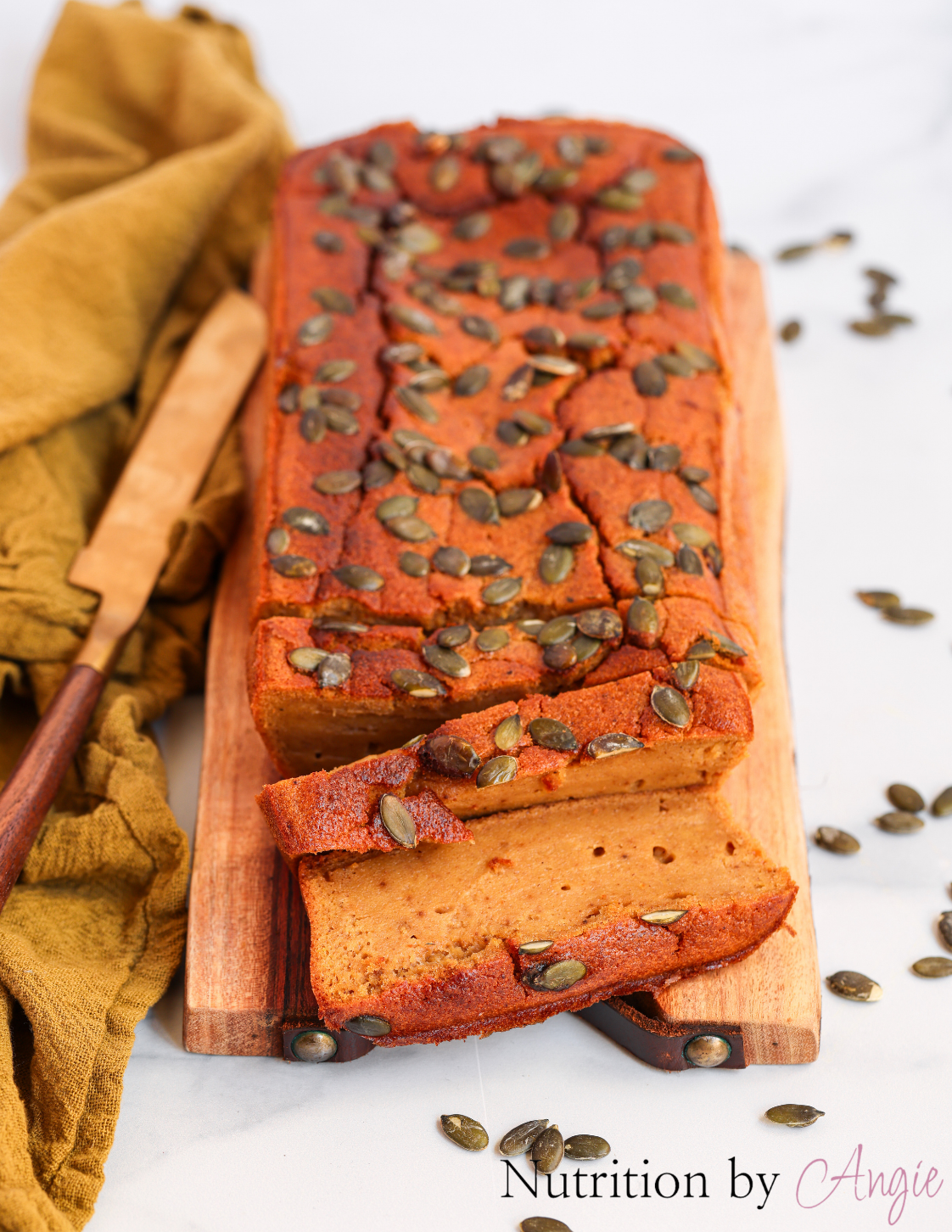
Pumpkin Bread (Starbucks Style)
Gluten-Free • Vegetarian • Pumpkin-Based • Homemade Baking • Whole-Food Inspired
Use certified gluten-free all-purpose flour, gluten-free baking soda and a suitable pumpkin pie spice blend. This recipe contains butter and eggs, so it is not vegan or dairy-free.
Introduction
This Pumpkin Bread (Starbucks Style) is a wonderfully soft, moist and warmly spiced homemade loaf inspired by the popular pumpkin bread served at Starbucks.
Made with pumpkin purée, gluten-free flour, butter, coconut sugar, eggs, vanilla and aromatic pumpkin pie spice, this delicious pumpkin bread combines the comforting flavours of autumn with a rich, tender texture.
Pumpkin is the star ingredient, providing natural moisture, a beautiful golden-orange colour and valuable nutrients, particularly beta-carotene, which the body can convert into vitamin A.
The combination of cinnamon, ginger, nutmeg and other warming spices creates the familiar flavour associated with traditional pumpkin bread, while vanilla enhances the sweetness and aroma.
Coconut sugar adds a caramel-like sweetness that complements the earthy flavour of pumpkin, while butter contributes richness and helps create a soft crumb.
Eggs provide structure, moisture and protein, helping the gluten-free loaf hold together during baking.
Gluten-free all-purpose flour makes this recipe suitable for people avoiding gluten, provided the flour blend and all other ingredients are appropriate for their dietary needs.
An optional topping of pumpkin seeds adds a pleasant crunch and contributes plant-based protein, unsaturated fats, magnesium, zinc and iron.
Unlike some gluten-free baked goods that can become dry or crumbly, the generous amount of pumpkin purée helps this loaf retain moisture and develop a tender texture.
This gluten-free Starbucks-style pumpkin bread is ideal for an autumn breakfast treat, an afternoon snack with tea or coffee, or a homemade dessert.
It can also be prepared ahead of time, making it convenient for busy households or seasonal gatherings.
Although this recipe includes nutritious ingredients such as pumpkin, eggs and optional pumpkin seeds, it is important to recognise that it also contains a substantial amount of coconut sugar and butter.
Coconut sugar is still an added sugar, and butter is relatively high in saturated fat.
Therefore, this pumpkin bread is best enjoyed as an occasional sweet treat rather than considered a low-sugar or heart-health-focused everyday breakfast.
For anyone following a balanced whole-food-focused dietary pattern, homemade baking can still have a place, particularly when enjoyed in appropriate portions alongside a varied diet rich in vegetables, fruit, legumes, whole grains, nuts and seeds.
Benefits of All the Ingredients
Gluten-Free All-Purpose Flour
Gluten-free all-purpose flour provides the structure and foundation of this pumpkin bread.
Unlike conventional wheat flour, gluten-free flour blends are made without wheat, barley or rye.
Depending on the brand, they may contain rice flour, maize flour, potato starch, tapioca starch, sorghum flour or other gluten-free ingredients.
Some blends also contain xanthan gum or guar gum to help improve the structure of baked goods.
The nutritional composition varies considerably between products.
Why Gluten-Free Flour Is Important
For people with coeliac disease, avoiding gluten is medically necessary.
Gluten is a group of proteins found in wheat, barley and rye.
In people with coeliac disease, gluten exposure triggers an immune response that can damage the lining of the small intestine.
Using a suitable gluten-free flour blend allows people following a gluten-free diet to enjoy homemade baked goods.
However, not all gluten-free flour blends are nutritionally equivalent.
Refined Versus Whole-Grain Gluten-Free Flour
Many commercial gluten-free flour blends are made primarily from refined starches.
These can provide a light texture but may contain relatively little fibre, protein or micronutrients.
Whole-grain gluten-free flours, such as buckwheat, sorghum, millet and brown rice flour, generally provide more fibre and minerals.
For this recipe, a balanced gluten-free all-purpose blend is useful because it helps create a soft, tender loaf.
Gluten-Free Flour and Digestive Health
Gluten-free flour is essential for people with coeliac disease, but removing gluten does not automatically make a product healthier.
Some gluten-free baked goods contain less fibre than their wheat-based equivalents.
Choosing a varied diet that includes naturally gluten-free whole grains, legumes, vegetables and fruit can help maintain adequate fibre intake.
Choosing the Best Gluten-Free Flour
Use a gluten-free all-purpose flour blend intended for baking.
Check whether the blend already contains xanthan gum or another binder.
Different blends absorb moisture differently, so the finished texture may vary.
For people with coeliac disease, choose flour clearly labelled gluten-free and prevent cross-contact during preparation.
Pumpkin Pie Spice
Pumpkin pie spice provides the warm, comforting flavour associated with traditional pumpkin bread.
It is usually a blend of cinnamon, ginger, nutmeg and cloves, sometimes with allspice.
The exact composition varies between brands.
These spices contain naturally occurring aromatic compounds that contribute to their distinctive flavours.
Cinnamon
Cinnamon provides warmth and a naturally sweet aroma.
It contains cinnamaldehyde and other plant compounds that have been studied for their antioxidant properties.
However, the amount used in baking is generally too small to make a meaningful contribution to vitamin or mineral intake.
Ginger
Ginger adds a gentle spicy warmth.
It contains naturally occurring gingerols and shogaols.
These compounds have been studied for their potential biological effects, although the quantities consumed in a slice of pumpkin bread are unlikely to have therapeutic effects.
Nutmeg
Nutmeg provides a warm, slightly sweet and nutty flavour.
It contains aromatic compounds that contribute to its distinctive taste.
Nutmeg should be used in normal culinary quantities, as excessive amounts can be toxic.
Cloves
Cloves have a strong, warming flavour.
They contain eugenol, a naturally occurring aromatic compound.
Only small amounts are needed because cloves can easily overpower other flavours.
Why Pumpkin Pie Spice Works Well
The combination of warming spices complements the natural sweetness and earthy flavour of pumpkin.
It creates a rich aroma without requiring additional sugar.
For people with coeliac disease, check that the spice blend is suitable and has not been exposed to gluten-containing ingredients.
Baking Soda
Baking soda, also known as sodium bicarbonate, is a raising agent used in baking.
It helps create a lighter texture by producing carbon dioxide when it reacts with acidic ingredients and moisture under suitable conditions.
The gas bubbles help the batter expand during baking.
Why Baking Soda Is Important
Gluten-free baked goods can sometimes become dense because they lack the elastic gluten network found in wheat-based baking.
Baking soda contributes to the rise and texture of the loaf.
Its effectiveness depends on the recipe's acidity, ingredient balance and baking conditions.
Does Baking Soda Provide Nutritional Benefits?
Baking soda is not included for its nutritional value.
It contains sodium but does not provide meaningful amounts of vitamins or beneficial minerals.
Its primary role is to improve the structure and texture of the bread.
Use the recommended amount, as excessive baking soda can create an unpleasant soapy or bitter flavour.
Unsalted Butter
Unsalted butter provides richness, flavour and a tender texture.
It is made from the fat component of milk and contains a mixture of saturated and unsaturated fatty acids.
Butter also provides small amounts of fat-soluble vitamins.
It contains:
Fat: Provides energy and contributes to texture.
Vitamin A: Supports normal vision and immune function.
Small Amounts of Vitamin E: Helps protect cells from oxidative stress.
Small Amounts of Vitamin K: Supports normal blood clotting.
Butter and Baking Texture
Butter contributes to the soft crumb and rich flavour of pumpkin bread.
When mixed with sugar, softened butter can help incorporate air into the batter.
This contributes to the loaf's structure and texture.
Butter and Saturated Fat
Butter contains a substantial proportion of saturated fat.
High saturated fat intake can raise LDL cholesterol in many people.
Replacing some saturated fat with unsaturated fats is an established dietary strategy for improving blood cholesterol levels.
The 115g of butter used in this recipe contributes a considerable amount of saturated fat to the entire loaf.
Although the butter is distributed across several slices, portion size remains important.
Can Butter Be Replaced?
For a lower-saturated-fat variation, part or all of the butter may be replaced with a suitable unsaturated-fat-rich baking oil.
Rapeseed oil or a mild olive oil can be useful alternatives.
However, replacing butter changes the batter's consistency and may affect the texture.
A tested substitution is preferable to replacing the butter without adjusting the recipe.
Why Unsalted Butter Is Used
Unsalted butter allows greater control over the salt content of baked goods.
It also provides a consistent flavour.
Allergen consideration: Butter contains milk and is unsuitable for people with a milk allergy or those following a dairy-free diet.
Coconut Sugar
Coconut sugar provides sweetness and a mild caramel-like flavour.
It is made from the sap of coconut palm flowers, which is collected and heated to remove moisture.
Despite its name, coconut sugar is not the same as coconut oil or coconut milk.
It consists primarily of carbohydrates, particularly sucrose, with smaller amounts of glucose and fructose.
Is Coconut Sugar Healthier Than White Sugar?
Coconut sugar is sometimes marketed as a healthier alternative to refined white sugar.
It may contain small amounts of minerals, including potassium, iron and zinc.
However, these amounts are generally too small to provide a meaningful nutritional advantage at typical serving sizes.
Coconut sugar remains an added sugar and contributes a similar amount of energy to ordinary table sugar.
Coconut Sugar and Blood Glucose
Coconut sugar is sometimes promoted as having a lower glycaemic index than white sugar.
However, glycaemic index values can vary, and coconut sugar still contains substantial amounts of digestible carbohydrates.
It should not be considered a low-sugar or diabetes-friendly sweetener simply because it is less refined.
Coconut Sugar and Heart Health
Consuming excessive amounts of added sugar can contribute to excessive energy intake and adverse metabolic health outcomes.
The 200g of coconut sugar used in this recipe represents a substantial amount of added sugar across the loaf.
For a more balanced approach, enjoy moderate portions rather than relying on the type of sugar as an indicator of nutritional quality.
Why Coconut Sugar Works Well with Pumpkin
Coconut sugar has a slightly caramel-like flavour that complements pumpkin, cinnamon, ginger and nutmeg.
It also contributes to browning and the overall texture of the loaf.
Reducing the sugar may be possible, but substantial reductions can affect moisture, structure and browning.
Eggs
Eggs provide protein, structure and moisture.
They play an important role in gluten-free baking because they help bind ingredients together.
Eggs contain several important nutrients, including high-quality protein, choline, vitamin B12 and selenium.
They provide:
Complete Protein: Contains all nine essential amino acids.
Choline: Supports normal liver function and cell membrane structure.
Vitamin B12: Supports normal red blood cell formation and nervous system function.
Selenium: Helps protect cells from oxidative stress.
Vitamin A: Supports normal vision and immune function.
Vitamin D: Supports normal calcium absorption.
Riboflavin (Vitamin B2): Contributes to normal energy metabolism.
Eggs and Protein
Eggs provide complete protein containing all nine essential amino acids.
Protein is essential for normal muscle maintenance, tissue repair and many other body functions.
Four large eggs contribute a meaningful amount of protein to the entire loaf.
However, the protein is divided across all servings, so a single slice should not automatically be considered high-protein.
Eggs and Choline
Eggs are a useful dietary source of choline.
Choline contributes to normal liver function and is involved in cell membrane structure and other important processes.
Adequate choline intake is particularly important during pregnancy and early development.
Eggs and Gluten-Free Baking
Egg proteins coagulate during baking, helping the loaf develop structure.
This is particularly useful when baking without gluten.
Eggs also contribute moisture and richness.
Eggs and Cholesterol
Egg yolks contain dietary cholesterol.
For many people, saturated fat intake has a greater influence on LDL cholesterol than dietary cholesterol alone.
However, individual responses vary, and people with elevated LDL cholesterol may benefit from considering their overall intake of eggs, saturated fat and other dietary factors.
In this recipe, the butter contributes substantial saturated fat, while the eggs contribute dietary cholesterol and protein.
Allergen consideration: Eggs are a major food allergen.
Pumpkin Purée
Pumpkin purée is the main vegetable ingredient in this loaf.
It provides natural moisture, a soft texture and a beautiful orange colour.
Pumpkin is particularly valued for its content of carotenoids, including beta-carotene.
It also provides dietary fibre and several vitamins and minerals.
Pumpkin purée contains:
Beta-Carotene: Can be converted into vitamin A.
Dietary Fibre: Supports normal digestive function.
Potassium: Supports normal muscle function.
Vitamin C: Supports normal immune function.
Vitamin E: Helps protect cells from oxidative stress.
Folate: Contributes to normal cell division.
Carotenoids: Naturally occurring plant pigments.
The exact nutritional composition varies depending on the pumpkin variety and whether the purée is homemade or commercially prepared.
Pumpkin and Eye Health
Pumpkin contains beta-carotene, which the body can convert into vitamin A.
Vitamin A is essential for normal vision, particularly in low-light conditions.
It also contributes to normal immune function and the maintenance of healthy skin and mucous membranes.
Pumpkin and Digestive Health
Pumpkin provides dietary fibre, which supports normal bowel function.
Its fibre content contributes to the overall nutritional value of the loaf.
However, the finished pumpkin bread is not necessarily high in fibre because it also contains refined gluten-free flour, sugar and butter.
Pumpkin and Antioxidant Compounds
Pumpkin contains carotenoids, including beta-carotene and other pigments.
These compounds have been studied for their antioxidant properties.
Including colourful vegetables regularly contributes to a varied intake of plant compounds.
Why Pumpkin Works Well in Baking
Pumpkin purée contains substantial moisture.
This helps create a soft, tender loaf and reduces the risk of dry, crumbly gluten-free bread.
Its mild flavour also complements cinnamon, ginger, nutmeg and vanilla.
Homemade Versus Store-Bought Pumpkin Purée
Both homemade and store-bought pumpkin purée can be used.
Choose 100% pumpkin purée, not sweetened pumpkin pie filling.
Pumpkin pie filling often contains added sugar and spices, which would change the nutritional composition and flavour of the recipe.
Homemade pumpkin purée should be smooth and not excessively watery.
Vanilla Extract
Vanilla extract enhances the sweetness and aroma of pumpkin bread.
It is made by extracting flavour compounds from vanilla beans.
The main aromatic compound is vanillin.
Why Vanilla Works Well with Pumpkin
Vanilla complements the warming spices and caramel-like flavour of coconut sugar.
It also helps create a richer overall flavour.
Although vanilla contains naturally occurring aromatic compounds, the half teaspoon used in this recipe contributes negligible amounts of vitamins and minerals.
Its main role is flavour.
Choosing Vanilla Extract
Pure vanilla extract generally provides a more complex flavour than some artificial vanilla flavourings.
For people with coeliac disease, choose a suitable gluten-free product.
Pumpkin Seeds (Optional)
Pumpkin seeds add a pleasant crunch and contribute valuable nutrients.
They are particularly rich in unsaturated fats, plant-based protein, magnesium, zinc and iron.
Pumpkin seeds provide:
Plant-Based Protein: Supports normal muscle maintenance.
Unsaturated Fats: Contribute to a heart-conscious dietary pattern.
Magnesium: Supports normal muscle and nerve function.
Zinc: Supports normal immune function.
Iron: Contributes to normal oxygen transport.
Phosphorus: Supports healthy bones and teeth.
Copper: Supports normal iron transport.
Dietary Fibre: Supports normal digestive function.
Pumpkin Seeds and Heart Health
Pumpkin seeds contain predominantly unsaturated fats.
Replacing saturated fats with unsaturated fats can help improve blood cholesterol levels.
They also provide magnesium, an important mineral involved in normal muscle and nerve function.
However, pumpkin seeds are energy-dense, so moderate portions are appropriate.
Pumpkin Seeds and Plant-Based Protein
Pumpkin seeds provide plant-based protein.
The optional 30g topping contributes additional protein to the loaf, although the amount per slice depends on how many portions are cut.
Pumpkin Seeds and Zinc
Zinc supports normal immune function, wound healing and many enzyme processes.
Pumpkin seeds are a useful plant-based source of zinc.
However, the phytate content of seeds can reduce the absorption of some minerals.
Why Pumpkin Seeds Work Well as a Topping
Pumpkin seeds add crunch and visual appeal.
They also complement the earthy flavour of pumpkin and the warming spices.
For the best texture, use plain, unsalted pumpkin seeds.
Why Pumpkin Bread (Starbucks Style) Can Be Enjoyed as Part of a Balanced Diet
Contains Pumpkin
Pumpkin purée provides beta-carotene, moisture and dietary fibre.
Provides Protein from Eggs
Eggs contribute complete protein and important nutrients such as choline and vitamin B12.
Contains Naturally Occurring Plant Compounds
Pumpkin and warming spices provide carotenoids and aromatic plant compounds.
Can Include Nutrient-Dense Seeds
Optional pumpkin seeds contribute magnesium, zinc, protein and unsaturated fats.
Can Be Prepared Gluten-Free
Using suitable gluten-free ingredients makes the loaf appropriate for people following a gluten-free diet.
Offers Homemade Ingredient Control
Preparing pumpkin bread at home allows you to choose the flour, sugar, fat and toppings.
Provides a Convenient Make-Ahead Treat
The loaf can be prepared in advance and portioned for later enjoyment.
Can Be Adapted to Different Dietary Goals
Adjusting the sugar, fat or flour blend may help create variations better suited to individual preferences, although recipe testing is important.
Works Well as an Occasional Sweet Treat
Pumpkin bread can fit into a balanced diet when enjoyed in moderate portions.
Delicious Serving Suggestions
With Fresh Berries
Serve a slice with strawberries, blueberries or raspberries for additional fruit, fibre and vitamin C.
With Plain Greek Yogurt
Pair with unsweetened Greek yogurt for additional protein.
For a dairy-free option, choose unsweetened fortified soy yogurt.
With a Cup of Coffee
Enjoy a slice alongside freshly brewed coffee for a homemade café-style treat.
With Cinnamon-Spiced Yogurt
Mix a little cinnamon into plain yogurt and serve alongside the pumpkin bread.
With Fresh Apple Slices
Apple slices provide a refreshing contrast to the rich, spiced loaf.
With a Sprinkle of Pumpkin Seeds
Add a few extra pumpkin seeds for crunch and additional minerals.
Tips for the Best Pumpkin Bread (Starbucks Style)
Choose a reliable gluten-free flour blend: Different blends absorb moisture differently.
Check for xanthan gum: Some gluten-free flour blends already contain a binder.
Use 100% pumpkin purée: Avoid sweetened pumpkin pie filling.
Check homemade pumpkin purée consistency: Excess water can affect the loaf's texture.
Use room-temperature butter: It mixes more evenly with sugar.
Use room-temperature eggs: This helps create a more uniform batter.
Measure coconut sugar accurately: Too much can affect the texture and sweetness.
Use fresh pumpkin pie spice: Older spices may have a weaker aroma.
Check spice blends for gluten: This is important for people with coeliac disease.
Avoid overmixing the batter: Mix until the ingredients are combined.
Use a suitable loaf tin: Tin size affects baking time and loaf height.
Line the tin with baking parchment: This helps prevent sticking.
Do not overbake: Gluten-free pumpkin bread can become dry if baked for too long.
Check the centre for doneness: A skewer should come out without wet batter.
Allow the loaf to cool: Gluten-free baked goods often become easier to slice as they cool.
Use plain pumpkin seeds: Unsalted seeds are a good topping option.
Store in an airtight container: Keep refrigerated and enjoy within approximately 3–4 days.
Freeze individual slices: Wrap well and freeze for up to approximately 2–3 months for best quality.
Prevent gluten cross-contact: Use clean utensils, baking tins and preparation surfaces.
Clearly identify allergens: The recipe contains eggs and milk from butter.
A Note on Pumpkin Bread, Added Sugar and Heart Health
This Pumpkin Bread (Starbucks Style) combines nutritious ingredients such as pumpkin purée, eggs and optional pumpkin seeds with traditional baking ingredients that provide sweetness and richness.
Pumpkin contributes beta-carotene and dietary fibre, while eggs provide complete protein and choline.
Pumpkin seeds add unsaturated fats, plant-based protein and important minerals.
However, the recipe also contains 200g of coconut sugar and 115g of butter, making it relatively high in added sugar and saturated fat.
Although coconut sugar is less refined than ordinary white sugar, it is still an added sugar and does not provide a meaningful nutritional advantage at typical serving sizes.
Butter contributes saturated fat, which can raise LDL cholesterol when consumed in excess.
For people following a cholesterol-conscious dietary pattern, this loaf is best enjoyed as an occasional treat.
A variation made with less added sugar and an unsaturated-fat-rich oil may provide a more favourable nutritional profile, although changes to the ingredients can affect the final texture.
Choosing a gluten-free flour blend containing some whole-grain ingredients may also increase the fibre content.
The most important consideration is the overall dietary pattern rather than a single slice of homemade cake.
A balanced diet that regularly includes vegetables, fruit, legumes, whole grains, nuts, seeds and predominantly unsaturated fats can support long-term cardiovascular health.
With its moist texture, fragrant pumpkin spices and comforting flavour, this gluten-free Starbucks-style Pumpkin Bread is a delicious homemade treat to enjoy during autumn or whenever you are craving something warmly spiced and sweet.