
Peanut Butter Bites
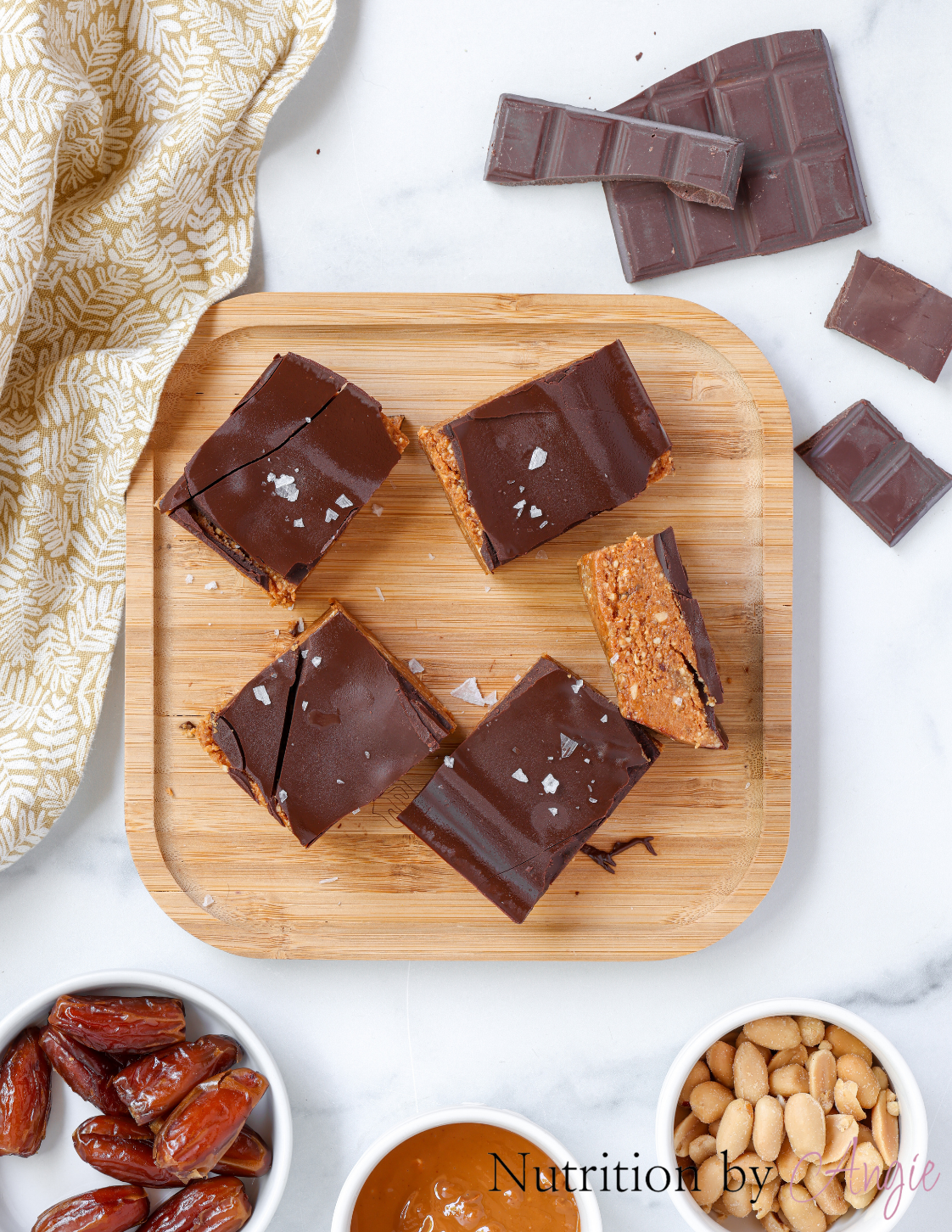
Peanut Butter Bites
Gluten-Free • Vegan • Vegetarian • Plant-Based • Dairy-Free • Egg-Free • No-Bake • Fibre-Rich • Whole-Food Inspired
Choose certified gluten-free, dairy-free dark chocolate and peanut butter without gluten-containing additives to keep these bites suitable for gluten-free and vegan diets.
Introduction
These Peanut Butter Bites are a delicious combination of crunchy peanuts, naturally sweet Medjool dates, creamy peanut butter and rich dark chocolate. With their satisfying texture and irresistible chocolate-peanut flavour, they make a wonderful homemade treat for anyone who enjoys sweet snacks made with simple ingredients.
The combination of peanuts and peanut butter creates a rich, nutty base, while Medjool dates provide natural sweetness and help bind the ingredients together. A generous coating of 70% dark chocolate adds a smooth, indulgent finish, and a little coconut oil helps create a glossy chocolate coating.
Unlike many commercially prepared chocolate snacks, these homemade peanut butter bites allow you to choose the quality of the ingredients and avoid unnecessary additives.
Peanuts provide plant-based protein, dietary fibre, vitamin E, magnesium and predominantly unsaturated fats. Medjool dates contribute fibre, potassium and naturally occurring plant compounds, while dark chocolate contains cocoa flavanols and minerals such as iron and magnesium.
These gluten-free vegan peanut butter bites are ideal for an afternoon treat, homemade dessert, lunchbox snack where nuts are permitted, or something sweet to enjoy with a cup of tea or coffee.
They are also convenient for preparing ahead of time, as the ingredients can be combined without baking.
Although the recipe contains several nutrient-dense ingredients, it is also energy-dense because of the peanuts, peanut butter, chocolate and coconut oil. Dates provide naturally occurring sugars, while dark chocolate usually contains added sugar.
Enjoyed in appropriate portions, these bites can fit into a balanced eating pattern that includes a variety of whole foods.
Benefits of All the Ingredients
Unsalted Peanuts
Peanuts form an important part of these delicious bites, providing crunch, flavour and valuable nutrients.
Although commonly referred to as nuts, peanuts are botanically legumes.
They are particularly rich in plant-based protein, predominantly unsaturated fats, dietary fibre and several essential minerals.
Peanuts provide:
Plant-Based Protein: Supports normal muscle maintenance and tissue repair.
Monounsaturated Fats: Contribute to a heart-conscious dietary pattern when replacing saturated fats.
Polyunsaturated Fats: Provide essential fatty acids.
Dietary Fibre: Supports normal digestive function.
Vitamin E: Helps protect cells from oxidative stress.
Magnesium: Supports normal muscle and nerve function.
Niacin (Vitamin B3): Contributes to normal energy metabolism.
Folate: Supports normal cell division.
Phosphorus: Supports healthy bones and teeth.
Copper: Supports normal iron transport.
Peanuts also contain naturally occurring plant compounds, including phytosterols, resveratrol and other polyphenols.
Peanuts and Heart Health
Peanuts contain predominantly unsaturated fats.
Replacing foods high in saturated fat with foods rich in unsaturated fats can help maintain healthy blood cholesterol levels.
Peanuts also contribute fibre, magnesium and other nutrients associated with a balanced dietary pattern.
However, peanuts are energy-dense, so portion sizes remain important.
Why Choose Unsalted Peanuts?
Unsalted peanuts provide the same naturally occurring nutrients without additional sodium.
This is particularly useful when preparing homemade snacks because it allows better control over the overall salt content.
Choose plain peanuts without added sugar, unnecessary oils or flavour coatings.
Peanuts are naturally gluten-free, but packaged products may experience gluten cross-contact during manufacturing.
Allergen consideration: Peanuts are a major food allergen and are not suitable for anyone with a peanut allergy.
Medjool Dates
Medjool dates provide natural sweetness and help bind the peanut mixture together.
They have a soft, sticky texture and a rich, caramel-like flavour, making them particularly useful in homemade energy bites, bars and no-bake desserts.
Dates contain naturally occurring sugars, primarily glucose and fructose, alongside dietary fibre and several minerals.
Medjool dates provide:
Dietary Fibre: Supports normal digestive function.
Potassium: Supports normal muscle function and healthy blood pressure.
Copper: Supports normal iron transport.
Magnesium: Supports normal muscle and nerve function.
Vitamin B6: Contributes to normal energy metabolism.
Naturally Occurring Polyphenols: Plant compounds studied for their antioxidant properties.
Dates as a Natural Sweetener
Dates can be used to sweeten recipes without adding refined table sugar directly to the mixture.
However, dates still contain substantial amounts of naturally occurring sugar.
Using dates instead of refined sugar does not make a recipe sugar-free or automatically lower in calories.
Their nutritional advantage is that they also contribute fibre, minerals and naturally occurring plant compounds.
Dates and Digestive Health
The dietary fibre in dates supports normal bowel function.
Fibre also contributes to a varied dietary fibre intake, which is important for digestive health.
However, dates are rich in fermentable carbohydrates and may cause bloating or digestive discomfort in people who are sensitive to certain FODMAPs.
Why Medjool Dates Work Well in No-Bake Bites
Medjool dates are particularly soft and sticky.
When blended with peanuts and peanut butter, they help create a mixture that can be shaped into bite-sized portions.
If the dates are unusually firm or dry, soaking them briefly in warm water and draining thoroughly can make them easier to blend.
Medjool dates are naturally gluten-free, vegan and dairy-free.
Crunchy Peanut Butter
Crunchy peanut butter adds creaminess, richness and extra peanut flavour.
It also helps bind the ingredients together while providing small pieces of peanut for additional texture.
Peanut butter contains many of the same nutrients as whole peanuts.
It provides:
Plant-Based Protein: Supports normal muscle maintenance.
Monounsaturated Fats: Contribute to a heart-conscious dietary pattern when replacing saturated fats.
Vitamin E: Helps protect cells from oxidative stress.
Magnesium: Supports normal muscle and nerve function.
Niacin: Contributes to normal energy metabolism.
Phosphorus: Supports healthy bones and teeth.
Dietary Fibre: Supports normal digestive function.
Choosing a Nourishing Peanut Butter
For a whole-food-focused recipe, choose peanut butter made from 100% peanuts, or peanuts with a small amount of salt.
Some commercial peanut butters contain added sugar, palm oil or hydrogenated fats.
Natural peanut butter made from peanuts alone provides the characteristic flavour and texture without unnecessary ingredients.
Oil separation is normal in natural peanut butter. Stir thoroughly before measuring.
Peanut Butter and Satiety
Peanut butter contains a combination of fat, protein and some fibre.
These nutrients can contribute to a feeling of fullness.
However, peanut butter is energy-dense, so the amount used should be considered when determining portion sizes.
Crunchy peanut butter is naturally gluten-free when made from plain peanuts, but always check packaged products for gluten-containing additives or cross-contact.
70% Dark Chocolate
Dark chocolate provides the rich chocolate coating that makes these peanut butter bites particularly indulgent.
Chocolate containing 70% cocoa generally has a more intense cocoa flavour and a lower sugar proportion than many milk chocolates, although the exact nutritional composition varies between brands.
Dark chocolate contains cocoa solids, cocoa butter and usually some added sugar.
It provides:
Iron: Contributes to normal oxygen transport.
Magnesium: Supports normal muscle and nerve function.
Copper: Supports normal iron transport.
Manganese: Contributes to normal metabolism.
Naturally Occurring Cocoa Flavanols: Plant compounds studied for their antioxidant properties.
Dark Chocolate and Cocoa Flavanols
Cocoa contains naturally occurring flavanols, including epicatechin and catechin.
These compounds have been studied for their potential effects on blood vessel function.
However, the flavanol content of chocolate varies considerably depending on cocoa processing.
A higher cocoa percentage does not necessarily guarantee a specific flavanol content.
Dark chocolate also contains fat and sugar, so it is best enjoyed as part of a balanced dietary pattern.
Is 70% Dark Chocolate Vegan?
Not all dark chocolate is vegan.
Some brands contain milk fat, milk powder or other dairy-derived ingredients.
For this recipe, choose dairy-free, vegan dark chocolate.
Is Dark Chocolate Gluten-Free?
Pure cocoa ingredients are naturally gluten-free, but some chocolate products contain barley malt, biscuit pieces or other gluten-containing ingredients.
Chocolate may also experience gluten cross-contact during manufacturing.
For people with coeliac disease, choose dark chocolate that is clearly labelled gluten-free.
A Note About Portion Sizes
This recipe contains 300g of dark chocolate, making the chocolate coating a substantial part of the finished bites.
Dark chocolate is energy-dense and contains saturated fat from cocoa butter.
Smaller bite-sized portions allow the rich chocolate flavour to be enjoyed without requiring a large serving.
Coconut Oil
Coconut oil helps create a smooth, glossy chocolate coating.
When melted with dark chocolate, it can make the mixture easier to coat or drizzle over the peanut butter bites.
Coconut oil contains predominantly saturated fatty acids, particularly lauric acid.
Although coconut oil is plant-based, it is considerably higher in saturated fat than olive or rapeseed oil.
Replacing saturated fats with unsaturated fats can help maintain healthy blood cholesterol levels.
The tablespoon used in this recipe adds to the saturated fat already present in the dark chocolate.
Is Coconut Oil Necessary?
Coconut oil is useful for adjusting the consistency of melted chocolate, but it is not always essential.
Depending on the chocolate used, it may be possible to melt the dark chocolate without adding coconut oil.
Omitting it can reduce the overall saturated fat content slightly.
Coconut oil is naturally gluten-free, vegan and dairy-free.
Why Peanut Butter Bites Make a Satisfying Homemade Treat
Provide Plant-Based Protein
Peanuts and peanut butter contribute plant-based protein, making these bites more substantial than sweets made primarily from sugar.
Contain Dietary Fibre
Peanuts, dates and dark chocolate contribute fibre, supporting normal digestive function.
Rich in Unsaturated Fats from Peanuts
Peanuts and natural peanut butter provide predominantly unsaturated fats.
Provide Important Minerals
Peanuts, dates and dark chocolate contribute magnesium, copper, potassium and other minerals.
Naturally Sweetened with Dates
Medjool dates provide sweetness alongside fibre and minerals, although they still contribute significant amounts of sugar.
Contain Cocoa Plant Compounds
Dark chocolate provides naturally occurring cocoa polyphenols.
Easy to Prepare Without Baking
The ingredients can be combined and shaped without using an oven.
Suitable for Gluten-Free and Vegan Diets
Using certified gluten-free, dairy-free chocolate and suitable peanut products makes these bites appropriate for gluten-free and vegan diets.
Delicious Serving Suggestions
With Fresh Strawberries
Serve alongside fresh strawberries for a refreshing contrast and additional vitamin C.
With Raspberries
Raspberries provide fibre and a slightly tart flavour that complements the rich chocolate coating.
With Banana Slices
Fresh banana pairs naturally with peanut butter and chocolate.
With Unsweetened Plant-Based Yogurt
Serve a small peanut butter bite alongside unsweetened soy yogurt for additional plant-based protein.
With Tea or Coffee
Enjoy one or two bites with a warm drink as a satisfying afternoon treat.
As a Homemade Dessert
Serve chilled for a firmer chocolate coating and a rich, chewy centre.
Tips for the Best Peanut Butter Bites
Choose unsalted peanuts: They provide flavour and crunch without added sodium.
Use fresh, soft Medjool dates: Their sticky texture helps bind the mixture.
Remove all date pits: Check carefully before blending.
Soften dry dates if necessary: Briefly soak in warm water and drain thoroughly.
Choose natural peanut butter: Look for varieties made from 100% peanuts.
Stir peanut butter before measuring: Natural oils may separate during storage.
Blend until the mixture holds together: The texture should be sticky enough to shape while retaining some crunch.
Avoid overprocessing: Leaving small peanut pieces creates a more interesting texture.
Use good-quality dark chocolate: A 70% cocoa variety provides a rich flavour.
Check that the chocolate is vegan: Some dark chocolate contains dairy ingredients.
Choose gluten-free labelled chocolate: This is particularly important for people with coeliac disease.
Melt chocolate gently: Excessive heat can cause chocolate to become thick or grainy.
Add coconut oil only if needed: It helps thin the chocolate but increases saturated fat.
Make smaller portions: These bites are rich and energy-dense.
Chill before coating if necessary: Firmer centres are easier to dip into melted chocolate.
Allow the chocolate to set completely: Refrigerating the bites can help create a firm coating.
Store in an airtight container: Keep refrigerated for approximately 5–7 days.
Freeze for longer storage: Freeze in a suitable container for up to approximately 2–3 months for best quality.
Keep chilled in warm weather: The chocolate coating may soften at higher temperatures.
Consider peanut allergies: These bites contain a substantial amount of peanuts and are unsuitable for anyone with a peanut allergy.
Prevent gluten cross-contact: Use clean utensils, preparation surfaces and equipment when preparing these bites for someone with coeliac disease.
A Note on Natural Sugars and Energy Density
These Peanut Butter Bites combine several nutritious ingredients, but they are best considered a nutrient-rich sweet treat rather than a low-sugar snack.
Medjool dates provide naturally occurring sugars, while dark chocolate usually contains added sugar.
Peanuts and peanut butter provide protein, fibre and beneficial fats, but they also contribute substantial energy.
The recipe's 300g of dark chocolate, 200g of peanuts and eight tablespoons of peanut butter make portion size particularly important.
Dividing the mixture into smaller bites is a practical way to enjoy the combination of chocolate, peanuts and dates while keeping servings manageable.
Homemade treats like these can be part of a balanced whole-food-focused diet without needing to be labelled as sugar-free or low-calorie.