
Strawberry Chia Pots
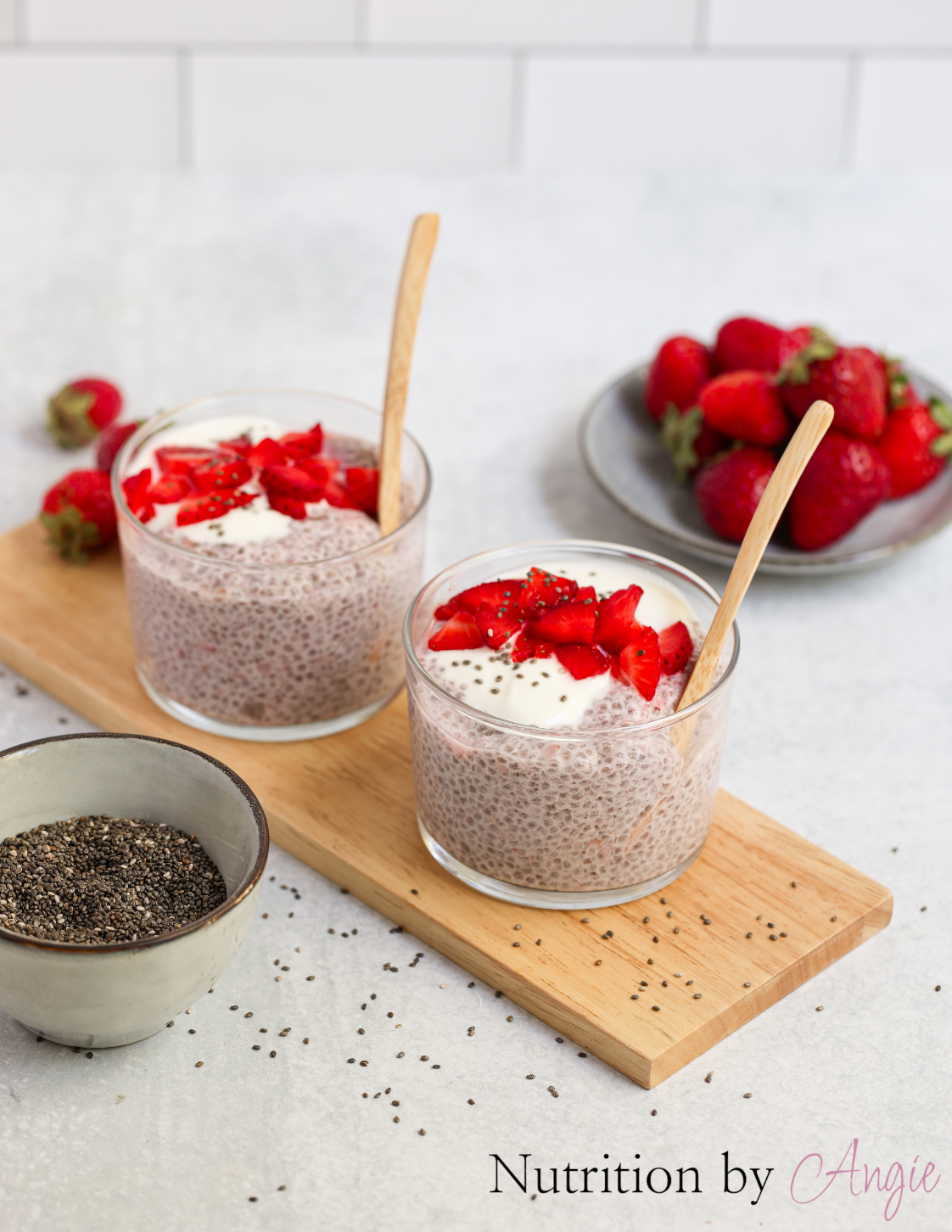
Strawberry Chia Pots
Gluten-Free • Vegan (with Plant-Based Milk and Yogurt) • Vegetarian • Dairy-Free (with Plant-Based Milk and Yogurt) • High-Fibre • Whole-Food Focused
Introduction
These Strawberry Chia Pots are a deliciously creamy, fruity and nourishing breakfast or snack made with fresh strawberries, chia seeds, milk, natural yogurt, vanilla and a touch of maple syrup.
Combining the natural sweetness of juicy strawberries with the creamy texture of yogurt and the thickening properties of chia seeds, these pots create a satisfying pudding-like consistency without the need for gelatine, eggs or refined flour.
Strawberries are particularly rich in vitamin C, dietary fibre and naturally occurring polyphenols, while chia seeds provide plant-based omega-3 fatty acids, fibre, protein and important minerals such as calcium, magnesium and phosphorus.
Natural yogurt adds creaminess and can contribute protein and calcium, depending on the variety chosen. Using unsweetened plant-based milk and yogurt creates a delicious gluten-free vegan and dairy-free strawberry chia pudding suitable for breakfast, dessert or meal preparation.
The addition of vanilla enhances the natural strawberry flavour, while maple syrup provides a little extra sweetness.
These strawberry chia pots are also ideal for preparing ahead of time. As the chia seeds absorb liquid, they develop a thick, creamy texture, making this a convenient breakfast or snack that can be enjoyed straight from the refrigerator.
Finish with extra yogurt, fresh strawberries and a sprinkle of chia seeds for additional flavour, freshness and texture.
Benefits of All the Ingredients
Fresh Strawberries
Strawberries are the main ingredient in these chia pots, providing natural sweetness, vibrant colour and a refreshing fruity flavour.
They are particularly rich in vitamin C, an essential nutrient that supports normal immune function and collagen formation.
Strawberries also provide several important nutrients:
Vitamin C: Supports normal immune function, healthy skin and collagen formation.
Dietary fibre: Contributes to normal digestive function.
Manganese: Supports normal metabolism and antioxidant enzyme function.
Folate: Contributes to normal cell division and red blood cell formation.
Potassium: Supports normal muscle function and healthy blood pressure.
Strawberries also contain naturally occurring polyphenols, including anthocyanins, which contribute to their beautiful red colour.
Anthocyanins belong to a group of plant compounds studied for their antioxidant properties.
Because strawberries have a high water content, they also contribute to the overall fluid content of the meal.
Fresh strawberries are naturally gluten-free, vegan and dairy-free.
Milk or Plant-Based Milk
Milk provides the liquid needed for the chia seeds to absorb and develop their thick, pudding-like texture.
The nutritional benefits depend on the type of milk chosen.
Dairy Milk
Dairy milk provides several important nutrients, including:
Complete protein: Supports normal muscle maintenance and tissue repair.
Calcium: Contributes to healthy bones and teeth.
Vitamin B12: Supports normal nervous system function and red blood cell formation.
Phosphorus: Contributes to healthy bones and teeth.
Riboflavin (vitamin B2): Supports normal energy metabolism.
Dairy milk is naturally gluten-free and vegetarian but is not suitable for vegan or dairy-free diets.
Plant-Based Milk
Plant-based milk provides a dairy-free alternative and can be made from ingredients such as soybeans, almonds, oats or coconut.
Different varieties offer different nutritional benefits.
Soy milk: Generally provides more protein than most other plant-based milks.
Almond milk: Often lower in calories when unsweetened, although typically low in protein.
Oat milk: Provides carbohydrates and may contain some fibre, depending on the product.
Coconut milk drink: Adds a delicate coconut flavour but generally provides little protein.
Fortified plant-based milks may provide calcium, vitamin D and vitamin B12.
For a gluten-free vegan strawberry chia pudding, choose unsweetened plant-based milk with appropriate gluten-free labelling.
If using oat milk, make sure it is specifically labelled gluten-free.
Natural Yogurt or Plant-Based Yogurt
Natural yogurt gives these chia pots their creamy consistency and slightly tangy flavour.
It also helps balance the sweetness of the strawberries and maple syrup.
Dairy Yogurt
Natural dairy yogurt provides protein, calcium, phosphorus and vitamin B12.
Yogurt containing live cultures may also provide beneficial microorganisms, although the strains and quantities vary between products.
Dairy yogurt is naturally vegetarian and generally gluten-free when plain and unflavoured, but it is not suitable for vegan or dairy-free diets.
Plant-Based Yogurt
Plant-based yogurt allows these strawberry chia pots to remain completely vegan and dairy-free.
Common varieties include soy, coconut, almond and oat yogurt.
Their nutritional profiles differ considerably:
Soy yogurt: Often provides a useful amount of plant-based protein.
Coconut yogurt: Offers a creamy texture but may contain more saturated fat and less protein.
Almond yogurt: Can provide a mild flavour but is often relatively low in protein.
Oat yogurt: Provides a smooth texture but must be specifically gluten-free when used for someone with coeliac disease.
Fortified plant-based yogurts may contain added calcium, vitamin D and vitamin B12.
Choose plain, unsweetened plant-based yogurt to avoid unnecessary added sugar.
Vanilla Extract
Vanilla extract adds a delicate sweetness and aroma without needing additional sugar.
It is made by extracting flavour compounds from vanilla beans.
Its most recognisable aromatic compound is vanillin, which gives vanilla its characteristic flavour.
Although vanilla extract contains small amounts of naturally occurring plant compounds, the teaspoon used in this recipe contributes primarily flavour rather than significant nutritional benefits.
Pure vanilla extract is generally gluten-free, but flavoured products and blends should be checked for additional ingredients.
Maple Syrup
Maple syrup provides sweetness and complements the natural fruity flavour of the strawberries.
Pure maple syrup contains small amounts of minerals, including manganese, alongside naturally occurring phenolic compounds.
However, maple syrup is an added sugar, even though it comes from a natural source.
The 80g used in this recipe contributes a meaningful amount of sugar to the finished chia pots.
For a less sweet version, the quantity can be reduced, especially when using ripe, naturally sweet strawberries.
Choose 100% pure maple syrup rather than maple-flavoured syrup.
Pure maple syrup is naturally gluten-free and vegan.
Chia Seeds
Chia seeds are one of the most nutritionally valuable ingredients in this recipe.
They are particularly rich in dietary fibre, plant-based omega-3 fatty acids and important minerals.
Chia seeds contain alpha-linolenic acid (ALA), an essential omega-3 fatty acid that the body cannot produce on its own.
They also provide:
Dietary fibre: Supports normal digestive function.
Omega-3 fatty acids (ALA): Contribute to the intake of essential fatty acids.
Plant-based protein: Supports normal muscle maintenance and tissue repair.
Calcium: Contributes to healthy bones and teeth.
Magnesium: Supports normal muscle and nerve function.
Phosphorus: Supports healthy bones and teeth.
Manganese: Contributes to normal metabolism.
Iron: Supports normal oxygen transport.
Chia seeds contain both soluble and insoluble fibre.
When mixed with liquid, they absorb moisture and form a gel-like consistency, naturally thickening the mixture without requiring gelatine or starch-based thickeners.
This makes chia seeds particularly useful in gluten-free vegan puddings, breakfast pots and no-bake desserts.
Chia seeds are naturally gluten-free, vegan and dairy-free.
Because they absorb a considerable amount of liquid, they should be properly hydrated before serving in this recipe.
Benefits of the Optional Serving Suggestions
Extra Natural or Plant-Based Yogurt
Adding extra yogurt creates a creamier texture and provides a pleasant contrast to the strawberry chia mixture.
Dairy or soy-based yogurt can contribute additional protein, while fortified varieties may provide calcium and vitamin B12.
Choose unsweetened yogurt to avoid adding unnecessary sugar.
Fresh Strawberries
Extra fresh strawberries add natural sweetness, freshness and texture.
They also provide additional vitamin C, dietary fibre and naturally occurring anthocyanins.
Using fresh fruit as a topping is a delicious way to increase the fruit content without relying on sweetened sauces or syrups.
Extra Chia Seeds
A small sprinkle of chia seeds adds texture and contributes additional fibre, plant-based omega-3 fatty acids and minerals.
For a softer texture, allow the extra chia seeds to hydrate in the yogurt before eating.
Why Strawberry Chia Pots Make a Nourishing Breakfast or Snack
Rich in Dietary Fibre
Chia seeds and strawberries both contribute fibre, supporting normal digestive function.
Plant-Based Omega-3 Fatty Acids
Chia seeds provide ALA, an essential omega-3 fatty acid.
Naturally Rich in Vitamin C
Strawberries provide vitamin C, supporting normal immune function and collagen formation.
Customisable Protein Content
Using dairy yogurt or unsweetened soy yogurt and soy milk can increase the protein content compared with some almond- or coconut-based alternatives.
Suitable for Gluten-Free Diets
The ingredients can all be selected in gluten-free forms, making these pots suitable for people with coeliac disease when gluten cross-contact is avoided.
Convenient for Meal Preparation
Chia seeds naturally thicken the mixture as it rests, allowing the pots to be prepared in advance.
Tips for the Best Strawberry Chia Pots
Choose ripe strawberries: Naturally sweet strawberries can reduce the need for added maple syrup.
Use unsweetened milk and yogurt: This allows you to control the sweetness of the finished pots.
Stir the chia seeds thoroughly: Mix well initially and stir again after approximately 10–15 minutes to help prevent clumping.
Allow enough time to thicken: Refrigerate for at least 2–4 hours, preferably overnight, until the chia seeds are fully hydrated.
Adjust the consistency: Add a little more milk if the mixture becomes too thick.
Increase the protein: Use unsweetened soy milk and soy yogurt, or dairy milk and Greek-style yogurt if a vegan version is not required.
Reduce the added sugar if preferred: Ripe strawberries may provide enough sweetness without the full amount of maple syrup.
Store correctly: Keep the finished chia pots covered in the refrigerator and enjoy within approximately 2–3 days.
Check gluten-free labels: Pay particular attention to oat-based milk, plant-based yogurt and flavoured ingredients when preparing the recipe for someone with coeliac disease.