
Homemade Pumpkin Purée
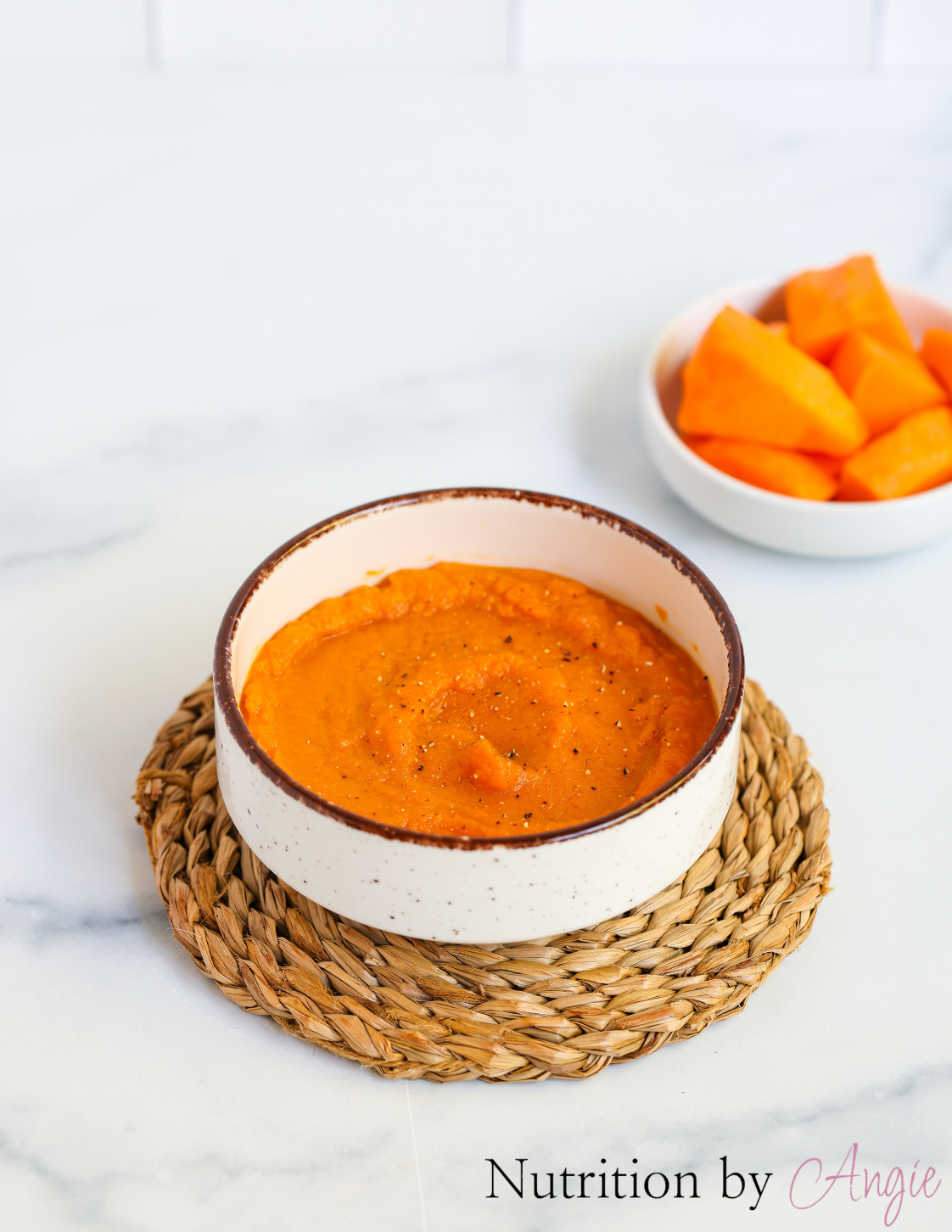
Homemade Pumpkin Purée
Gluten-Free • Vegan • Vegetarian • Plant-Based • Dairy-Free • Grain-Free • Whole-Food • No Added Sugar
Introduction
This Homemade Pumpkin Purée is a simple, nourishing recipe made with just one ingredient: fresh pumpkin. Naturally creamy, mildly sweet and beautifully golden-orange, homemade pumpkin purée is a versatile whole-food ingredient that can be used in both sweet and savoury dishes.
Pumpkin is particularly rich in beta-carotene, a plant pigment that the body converts into vitamin A. It also provides dietary fibre, potassium and vitamin C, making it a nutritious addition to everyday meals.
Unlike some commercially prepared pumpkin products, this homemade version contains no added sugar, preservatives, artificial flavourings or unnecessary ingredients. Roasting the pumpkin enhances its natural sweetness and creates a smooth, rich purée without requiring cream, butter or other additions.
Naturally gluten-free, vegan, vegetarian and dairy-free, this pumpkin purée is ideal for a wide variety of gluten-free recipes, including pumpkin soups, creamy dips, pancakes, muffins, cakes and other homemade baked goods.
Its naturally smooth consistency also makes it useful for adding moisture to gluten-free baking, where maintaining a soft texture can sometimes be challenging.
Benefits of All the Ingredients
Fresh Pumpkin
Fresh pumpkin is the only ingredient needed to create this naturally nourishing purée.
Pumpkin belongs to the winter squash family and provides a variety of vitamins, minerals, dietary fibre and naturally occurring plant compounds.
Its vibrant orange colour comes primarily from carotenoids, especially beta-carotene, which the body can convert into vitamin A.
Rich in Beta-Carotene and Vitamin A Precursors
Orange-fleshed pumpkin is an excellent source of beta-carotene.
The body converts beta-carotene into vitamin A as needed. Vitamin A contributes to:
Normal vision: Particularly important for vision in low-light conditions.
Immune function: Supports the normal functioning of the immune system.
Healthy skin: Contributes to the maintenance of normal skin and mucous membranes.
Cell growth and development: Plays an important role in normal cell differentiation.
Beta-carotene is a fat-soluble carotenoid, meaning its absorption can be improved when pumpkin is eaten alongside a source of dietary fat, such as olive oil, nuts or seeds.
Provides Dietary Fibre
Pumpkin contains dietary fibre, which contributes to normal digestive function.
Fibre helps support regular bowel movements and contributes to a balanced dietary pattern.
Using pumpkin purée in soups, sauces and baked goods is an easy way to include additional vegetables and fibre in everyday meals.
Contains Potassium
Pumpkin provides potassium, an essential mineral involved in:
Normal muscle function.
Normal nervous system function.
Maintaining healthy blood pressure.
Potassium is found naturally in many vegetables, fruits and legumes, making pumpkin a useful addition to a varied whole-food diet.
Provides Vitamin C
Pumpkin contains vitamin C, although the amount retained can vary depending on the variety and cooking method.
Vitamin C contributes to normal immune function, collagen formation and protection of cells from oxidative stress.
It also helps improve the absorption of non-haem iron from plant-based foods when consumed together.
Contains Naturally Occurring Antioxidant Compounds
Pumpkin contains several carotenoids and other naturally occurring plant compounds.
These include beta-carotene, alpha-carotene and, depending on the variety, lutein and zeaxanthin.
Carotenoids contribute to the colour of orange vegetables and form part of the diverse range of compounds found in a vegetable-rich diet.
Naturally Gluten-Free and Suitable for Plant-Based Diets
Fresh pumpkin is naturally free from gluten, dairy, eggs and animal-derived ingredients.
This makes homemade pumpkin purée suitable for:
Gluten-free diets, including meals prepared for people with coeliac disease.
Vegan and vegetarian diets.
Dairy-free and egg-free recipes.
Grain-free cooking.
Whole-food-focused meals and baking.
Because the purée contains only fresh pumpkin, there is no need for gluten-containing thickeners, flavourings or other additives.
For coeliac-safe preparation, use clean utensils, baking trays and food-processing equipment to prevent cross-contact.
Why Make Pumpkin Purée at Home?
Making pumpkin purée from scratch allows you to control exactly what goes into your food.
Homemade pumpkin purée offers several advantages over sweetened or flavoured pumpkin products:
One simple ingredient: Fresh pumpkin, without unnecessary additives.
No added sugar: The sweetness comes naturally from the pumpkin.
Versatile texture: Suitable for blending into soups, sauces, dips and baked goods.
Naturally gluten-free: No wheat-based thickeners or other gluten-containing ingredients.
Suitable for vegan cooking: No dairy or animal-derived ingredients.
Whole-food based: Uses a minimally processed vegetable as the foundation.
For the best flavour and texture, choose a pumpkin variety intended for cooking, such as a sugar pumpkin or another sweet, dense-fleshed culinary pumpkin.
Storage Tips
Allow the roasted pumpkin to cool before blending it into a smooth purée.
Transfer the finished purée into clean, airtight containers and refrigerate promptly.
Refrigerator: Store at 4°C or below and use within 3–4 days.
Freezer: Freeze in individual portions for approximately 3 months for best quality.
Thawing: Defrost overnight in the refrigerator before using.
Pumpkin purée can contain different amounts of moisture depending on the pumpkin variety. If it appears particularly watery, drain some of the excess liquid before using it in gluten-free baking.
Homemade pumpkin purée should not be stored at room temperature in sealed jars unless a scientifically validated preservation method is used. Freezing is the safest and simplest option for longer storage.