
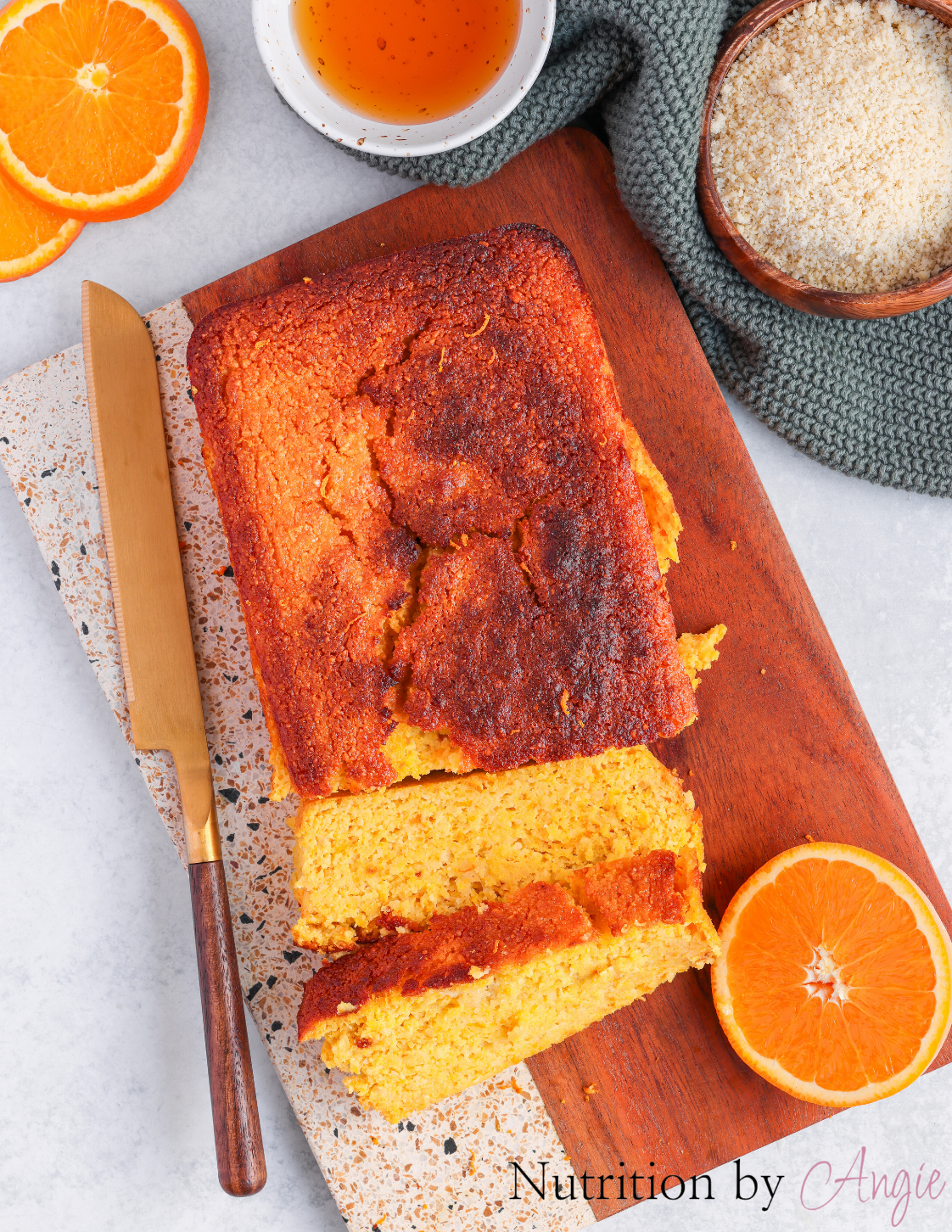
Easy 5-Ingredient Orange Cake with Almond Flour and Honey
5-Ingredient Orange Cake • Homemade Orange Almond Cake • Flourless Wheat-Free Cake • Gluten-Free Orange Cake • Almond Flour Dessert • Honey-Sweetened Cake • Easy Citrus Cake • Dairy-Free Cake • Simple Homemade Baking
Allergen information: This recipe contains eggs and tree nuts (almonds). It contains no wheat flour or dairy ingredients, but check the baking powder and other packaged ingredients for potential allergens or cross-contact. Use certified gluten-free ingredients if required. The cake is not vegan.
Introduction
This 5-Ingredient Orange Cake is a deliciously moist, fragrant dessert made with whole oranges, eggs, honey, almond flour and baking powder.
With just five simple ingredients, it combines the bright flavour of fresh citrus with the naturally rich, nutty texture of ground almonds.
Unlike traditional sponge cakes made with wheat flour and butter, this recipe uses almond flour to create a soft, tender crumb.
Whole oranges provide a vibrant citrus flavour, while honey adds sweetness and complements the natural richness of the almonds.
The result is a beautifully aromatic cake that is ideal for afternoon tea, family gatherings or a simple homemade dessert.
Almond flour contributes unsaturated fats, plant-based protein, vitamin E and magnesium.
Eggs provide high-quality protein and help give the cake structure, while oranges contribute dietary fibre and naturally occurring citrus compounds.
Although this cake contains nutritious ingredients, it is still an energy-dense dessert, particularly when made with regular honey.
For those who prefer a lower-carbohydrate variation, a suitable honey-style sugar substitute may be used, although the sweetness, texture and baking results can vary.
Benefits of All the Ingredients
Whole Oranges
Whole oranges give this cake its distinctive citrus flavour and aroma.
Using the fruit rather than juice alone can also retain more dietary fibre.
Key nutritional benefits:
Vitamin C: Supports normal immune function and collagen formation.
Dietary Fibre: Supports digestive health.
Folate: Contributes to normal cell division.
Potassium: Supports normal muscle function.
Flavonoids: Naturally occurring citrus plant compounds.
Natural Citrus Oils: The peel contains aromatic compounds that provide a fragrant flavour.
Some vitamin C is lost during cooking and baking, but oranges still contribute fibre and other plant compounds.
When using whole oranges, wash them thoroughly and remove any seeds. If the recipe requires the peel, following the specified preparation method is important because untreated peel can taste bitter.
Eggs
Eggs help bind the cake ingredients and create structure.
Key nutritional benefits:
High-Quality Protein: Supports normal muscle maintenance and tissue repair.
Vitamin B12: Supports normal nervous system function.
Choline: Contributes to normal liver function.
Selenium: Helps protect cells from oxidative stress.
Vitamin D: Supports normal immune function and bone health.
Riboflavin: Contributes to normal energy metabolism.
Eggs are particularly useful in almond flour baking because almond flour does not contain the gluten that gives traditional wheat-based cakes their structure.
Honey
Honey provides sweetness and helps create a moist, tender cake.
Key nutritional characteristics:
Provides carbohydrates, mainly sugars.
Adds a distinctive floral sweetness.
Helps retain moisture in baked goods.
Contributes to browning during baking.
Contains small amounts of naturally occurring plant compounds.
Although honey is a natural sweetener, it still counts as free sugar.
It should not be considered sugar-free or significantly healthier than other added sugars simply because it is natural.
What About Keto Honey?
A honey-style sugar substitute can be used for a lower-carbohydrate variation if it is suitable for baking.
However, products marketed as keto honey vary considerably.
Some contain sweeteners such as allulose, erythritol or other sugar alternatives, while others may still contain carbohydrates.
Always check the nutrition label and follow the manufacturer's baking guidance.
Substituting honey can change the cake's moisture, browning, sweetness and texture.
Almond Flour
Almond flour is made from finely ground almonds.
It gives this orange cake a rich, tender texture and a subtle nutty flavour.
Key nutritional benefits:
Vitamin E: Helps protect cells from oxidative stress.
Monounsaturated Fats: Can support healthier LDL cholesterol levels when replacing saturated fats.
Plant-Based Protein: Contributes to daily protein intake.
Dietary Fibre: Supports normal digestive function.
Magnesium: Contributes to normal muscle function.
Calcium: Supports healthy bones and teeth.
Manganese: Contributes to normal energy metabolism.
Almond flour is naturally free from gluten but is relatively high in fat and energy.
It also behaves differently from wheat flour, so the two are not always interchangeable in baking.
Baking Powder
Baking powder helps the cake rise and creates a lighter texture.
It releases carbon dioxide when activated by moisture and heat.
Key characteristics:
Helps create a softer cake crumb.
Supports an even rise.
Improves the texture of almond flour cakes.
Contains sodium, although the quantity per serving is generally modest.
Baking powder contributes little nutritional value because it is used in small amounts.
Why This Homemade Orange Cake Is a Delicious Dessert Choice
Made with Five Ingredients: The recipe uses a short list of familiar ingredients.
Naturally Wheat-Free: Almond flour replaces traditional wheat flour.
Contains Vitamin E: Almond flour provides vitamin E, which helps protect cells from oxidative stress.
Provides Protein: Eggs and almonds contribute protein.
Contains Unsaturated Fats: Almonds are a source of predominantly unsaturated fats.
Includes Whole Fruit: Oranges contribute fibre and naturally occurring citrus compounds.
Naturally Dairy-Free: The recipe contains no milk, butter or cream.
Moist and Tender: Almond flour and honey help create a soft cake texture.
Versatile: Enjoy as a dessert, afternoon treat or celebration cake.
Customisable Sweetness: A suitable honey alternative can be used for a lower-sugar variation, although baking results may differ.
Delicious Serving Suggestions
With Fresh Orange Slices
Serve a slice with fresh orange segments for extra citrus flavour.
With Greek Yoghurt
Pair with plain Greek yoghurt for a creamy contrast and additional protein.
With Fresh Berries
Add strawberries, raspberries or blueberries for colour and dietary fibre.
With a Light Dusting of Cinnamon
Sprinkle with cinnamon to complement the warm citrus flavour.
With Unsweetened Whipped Cream
Serve with a small spoonful of whipped cream for a richer dessert.
With Afternoon Tea
Enjoy a slice alongside tea or coffee for a simple homemade treat.
Tips for the Best 5-Ingredient Orange Cake
Choose fresh oranges: Ripe, fragrant oranges provide the best flavour.
Wash oranges thoroughly: This is especially important when using the peel.
Remove orange seeds: Seeds can create bitterness.
Follow the orange preparation method: Some whole-orange cakes require the oranges to be simmered before blending to soften the peel and reduce bitterness.
Use finely ground almond flour: This creates a smoother cake texture.
Avoid coarse almond meal if a delicate crumb is preferred: Coarser almonds produce a more rustic texture.
Use room-temperature eggs: They generally mix more evenly.
Choose good-quality honey: Its flavour influences the finished cake.
Remember honey contains free sugars: Natural sweeteners still contribute sugar.
Check keto honey ingredients carefully: Carbohydrate content varies between products.
Use a baking-suitable sweetener: Not every sugar substitute performs well in cakes.
Expect texture differences with substitutions: Honey contributes moisture and browning.
Measure baking powder carefully: Too much can affect flavour and texture.
Check baking powder freshness: Older raising agents may be less effective.
Avoid overmixing: Gentle mixing helps maintain a tender crumb.
Line the baking tin: Almond flour cakes can be delicate when removed.
Preheat the oven: Consistent heat supports even baking.
Avoid opening the oven too early: Sudden temperature changes may affect the rise.
Check the centre before removing: The cake should be set rather than wet with batter.
Avoid overbaking: Almond flour cakes can become dry around the edges.
Allow the cake to cool completely: This helps the structure firm up.
Handle gently: Almond flour cakes can be more fragile than wheat-based cakes.
Serve moderate portions: Almond flour and honey make this an energy-dense dessert.
Pair with fresh fruit: This adds fibre and dietary variety.
Store in an airtight container: This helps preserve moisture.
Refrigerate for longer storage: Keep at 5°C or below.
Consume within approximately 3–4 days: Follow appropriate food storage guidance.
Freeze individual slices if desired: Wrap well to prevent freezer burn.
Check for allergens: Almond flour is unsuitable for people with almond allergies.
Use certified gluten-free baking powder if necessary: This helps manage cross-contact risk.
A Note on Almond Flour, Honey and Cholesterol-Friendly Nutrition
This 5-Ingredient Orange Cake combines almonds, eggs, oranges and honey.
Almond flour provides predominantly unsaturated fats, dietary fibre and vitamin E.
Replacing saturated fats with unsaturated fats can help improve LDL cholesterol levels.
Almonds can therefore be a useful component of a heart-conscious dietary pattern.
Eggs contribute protein, choline and several essential vitamins and minerals.
Although eggs contain dietary cholesterol, saturated fat intake is generally a more important dietary factor for LDL cholesterol in most people.
Oranges contribute dietary fibre and naturally occurring plant compounds.
Using whole fruit rather than juice alone helps retain more fibre.
However, the cake also contains honey, which contributes substantial amounts of free sugar.
Honey should not be considered a cholesterol-lowering ingredient.
A lower-sugar honey alternative may reduce sugar intake, depending on its composition, but it does not automatically make the cake healthier overall.
Almond flour is also energy-dense, so portion size remains important.
For people managing cholesterol, a dietary pattern rich in vegetables, fruit, whole grains, legumes, nuts, seeds and unsaturated fats can support cardiovascular health.
An occasional slice of homemade orange cake can fit into this pattern.
Overall dietary balance and frequency of consumption are more important than the nutritional reputation of any single ingredient.
Final Thoughts
This Easy 5-Ingredient Orange Cake is a beautifully moist, fragrant dessert combining whole oranges, almond flour, eggs and honey.
With its fresh citrus flavour, tender texture and simple ingredient list, it makes a lovely homemade treat for afternoon tea, family gatherings or special occasions.
Almond flour contributes unsaturated fats, protein and vitamin E, while oranges add fibre and natural citrus flavour.
Enjoy in moderate portions as part of a varied and balanced diet.