
Simple Tofu Katsu Curry
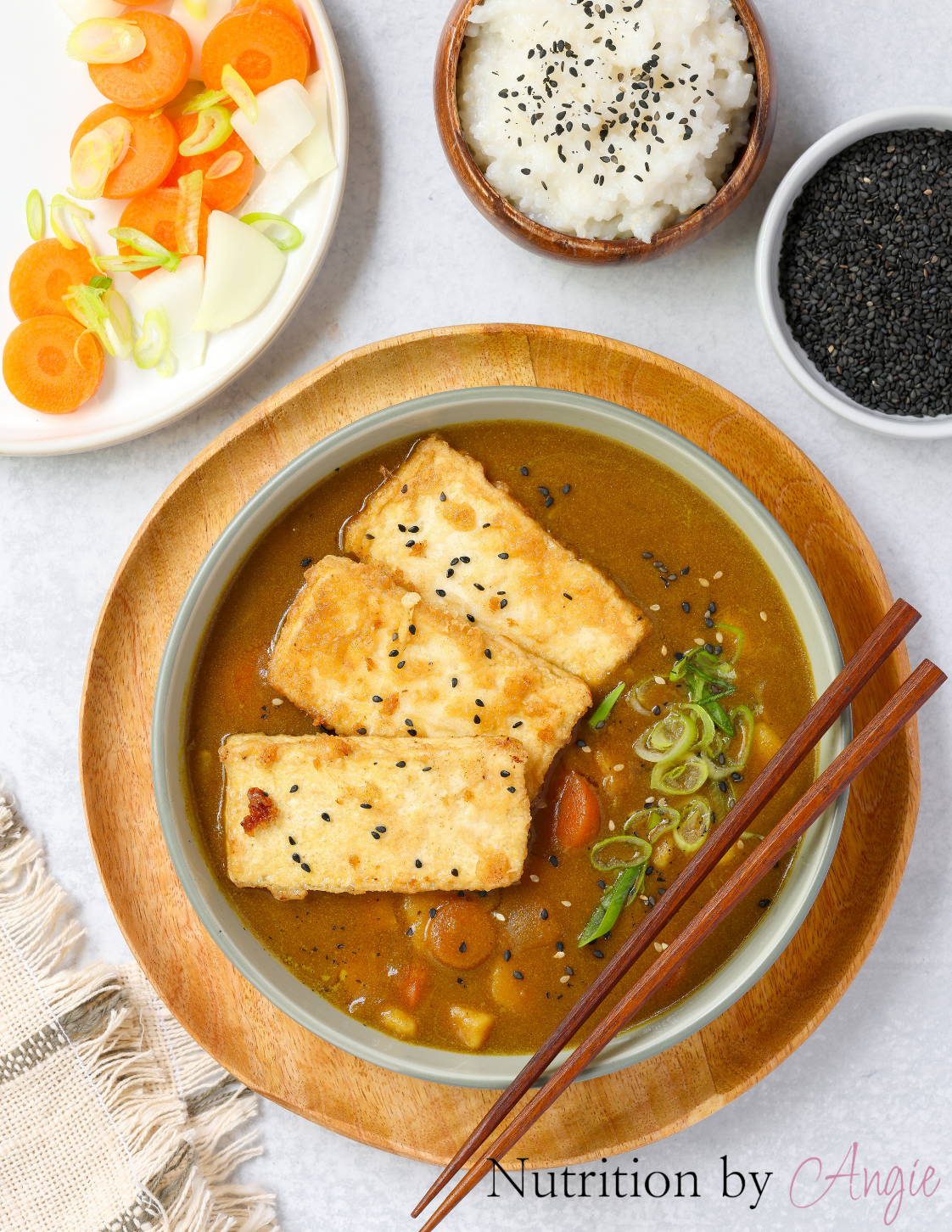
Simple Tofu Katsu Curry
Gluten-Free • Vegan • Vegetarian • Plant-Based • Dairy-Free • Egg-Free • Protein-Rich • Whole-Food Focused
Use certified gluten-free, vegan Japanese curry sauce and plain gluten-free tofu to keep this recipe suitable for gluten-free and vegan diets.
Introduction
This Simple Tofu Katsu Curry is a comforting, satisfying Japanese-inspired plant-based dish made with golden, crispy tofu, tender potatoes, sweet carrots and a rich, aromatic curry sauce.
The combination of crisp tofu and soft vegetables creates a delicious contrast in textures, while the Japanese-style curry sauce brings everything together with its warming, savoury flavour.
Traditional Japanese katsu curry commonly features breaded meat served with a thick curry sauce. This simplified vegan version replaces the meat with firm tofu coated in cornflour, creating a lightly crisp exterior without traditional wheat-based breadcrumbs.
Firm tofu provides complete plant-based protein, meaning it contains all nine essential amino acids. It also contributes minerals such as iron, magnesium and, depending on the type of coagulant used, calcium.
Potatoes provide carbohydrates for energy, potassium and vitamin B6, while carrots contribute beta-carotene, a plant pigment that the body can convert into vitamin A.
Using a certified gluten-free Japanese curry sauce makes this recipe convenient while avoiding the wheat flour commonly found in traditional Japanese curry roux.
This gluten-free vegan tofu katsu curry is ideal for a comforting family dinner, a satisfying lunch or a convenient weekday meal.
The mild sweetness of the carrots and potatoes complements the savoury curry sauce, while the crispy tofu adds a satisfying source of plant-based protein.
Although this dish contains nutritious plant-based ingredients, the overall nutritional profile depends partly on the curry sauce and cooking fat used. Choosing a lower-sodium sauce and replacing coconut oil with an unsaturated oil can make it more suitable for a heart-conscious eating pattern.
Benefits of All the Ingredients
Firm Tofu
Firm tofu is the main protein-rich ingredient in this recipe.
Made from soybeans, tofu is a versatile plant-based food that provides complete protein, containing all nine essential amino acids.
It is particularly useful in vegan and vegetarian diets because it can replace meat in many savoury dishes.
Firm tofu provides:
Complete Plant-Based Protein: Supports normal muscle maintenance and tissue repair.
Iron: Contributes to normal oxygen transport.
Calcium: Supports healthy bones and teeth when calcium-set tofu is used.
Magnesium: Supports normal muscle and nerve function.
Phosphorus: Supports healthy bones and teeth.
Potassium: Supports normal muscle function.
Zinc: Supports normal immune function.
Tofu also contains naturally occurring soy isoflavones, including genistein and daidzein.
These compounds have been studied for their potential effects on cardiovascular and bone health.
Why Tofu Is a Good Meat Alternative
Tofu provides protein without requiring meat, eggs or dairy.
Compared with many fatty cuts of meat, plain tofu generally contains less saturated fat.
Its mild flavour allows it to absorb the seasonings and sauces used in cooking.
Firm tofu also holds its shape well, making it suitable for slicing, coating and pan-frying.
Why Pressing Tofu Matters
Pressing tofu removes excess moisture.
This helps the cornflour adhere more evenly and allows the exterior to become crisp during cooking.
Removing excess water also reduces splattering when the tofu is placed in hot oil.
Choose plain tofu without gluten-containing marinades or seasonings.
Cornstarch (Cornflour)
Cornstarch, also called cornflour in Ireland and the UK, creates the light, crisp coating around the tofu.
It is made from the starch extracted from maize.
Cornstarch consists primarily of carbohydrates and contains very little protein, fibre or fat.
Its main purpose in this recipe is culinary rather than nutritional.
When heated with a small amount of oil, the coating helps create a crisp exterior.
Cornstarch and Gluten-Free Cooking
Pure cornstarch is naturally gluten-free.
However, cross-contact can occur during manufacturing or packaging.
For people with coeliac disease, choose cornstarch that is clearly labelled gluten-free.
Cornstarch is also useful for thickening sauces, soups and gravies without wheat flour.
Coconut Oil
Coconut oil provides the cooking fat used to crisp the tofu.
It has a mild coconut flavour that can complement curry dishes.
Coconut oil contains predominantly saturated fatty acids, particularly lauric acid.
Although coconut oil is plant-based, it contains considerably more saturated fat than oils such as olive or rapeseed oil.
Replacing saturated fats with unsaturated fats can help maintain healthy blood cholesterol levels.
The two tablespoons used in this recipe contribute a meaningful amount of saturated fat.
A Heart-Conscious Alternative
For a lower-saturated-fat version, consider replacing coconut oil with rapeseed oil or olive oil.
Both provide predominantly unsaturated fats.
The tofu can also be baked or air-fried using a smaller amount of oil, depending on the desired texture.
Coconut oil is naturally gluten-free, vegan and dairy-free.
Potatoes
Potatoes provide a satisfying source of carbohydrates and complement the thick Japanese curry sauce.
They are naturally gluten-free and contain several important nutrients.
Potatoes provide:
Carbohydrates: Supply energy for everyday activities.
Potassium: Supports normal muscle function and healthy blood pressure.
Vitamin B6: Contributes to normal energy metabolism.
Vitamin C: Supports normal immune function, although some is lost during cooking.
Magnesium: Supports normal muscle and nerve function.
Dietary Fibre: Supports normal digestive function, particularly when the skin is retained.
Potatoes also contain naturally occurring phenolic compounds.
Potatoes and Energy
Potatoes are primarily a source of carbohydrates, which the body can use for energy.
They contain relatively little fat unless oil, butter or other fats are added during preparation.
Boiled or simmered potatoes can form part of a balanced dietary pattern.
In this recipe, potatoes add substance to the curry and help make the meal more satisfying.
Does Cooking and Cooling Potatoes Change Their Starch?
When cooked potatoes are cooled, some of their starch can become resistant starch.
Resistant starch is less readily digested in the small intestine and can be fermented by certain bacteria in the large intestine.
The amount depends on the potato variety and preparation method.
However, this does not eliminate the carbohydrates or calories in potatoes.
Potatoes are naturally gluten-free, vegan and dairy-free.
Carrots
Carrots add natural sweetness, colour and valuable nutrients.
They are particularly rich in beta-carotene, the orange pigment that the body can convert into vitamin A as needed.
Vitamin A supports normal vision, immune function and skin health.
Carrots provide:
Beta-Carotene: Can be converted into vitamin A.
Dietary Fibre: Supports normal digestive function.
Potassium: Supports normal muscle function.
Vitamin K1: Supports normal blood clotting.
Vitamin B6: Contributes to normal energy metabolism.
Naturally Occurring Polyphenols: Plant compounds studied for their antioxidant properties.
Carrots and Vitamin A
Beta-carotene is a fat-soluble carotenoid.
Cooking carrots can make some of their carotenoids more accessible for absorption.
Consuming carrots alongside dietary fat can also help improve carotenoid absorption.
The cooking oil in this recipe provides fat alongside the carrots.
Carrots are naturally gluten-free, vegan and dairy-free.
Certified Gluten-Free Japanese Curry Sauce
Japanese curry sauce provides the rich, savoury flavour that brings this dish together.
Japanese-style curry is generally milder, thicker and slightly sweeter than many other curry varieties.
It often contains a combination of spices, vegetables, stock and thickening ingredients.
Common spices include turmeric, coriander, cumin, fenugreek and pepper.
The exact ingredients depend on the brand.
Why Certified Gluten-Free Curry Sauce Matters
Traditional Japanese curry roux commonly contains wheat flour, which is used to thicken the sauce.
This makes many conventional Japanese curry sauces unsuitable for people with coeliac disease.
Using a certified gluten-free Japanese curry sauce helps ensure that the sauce does not contain gluten above the applicable gluten-free threshold.
However, gluten-free does not automatically mean vegan.
Some Japanese curry sauces contain meat extracts, dairy ingredients, honey or other animal-derived ingredients.
For a completely vegan recipe, choose a sauce that is both gluten-free and suitable for vegans.
Nutritional Considerations
The nutritional value of Japanese curry sauce varies considerably between products.
Commercial sauces may contain:
Sodium: Used to enhance flavour and preserve the product.
Added Sugar: Sometimes used to create the characteristic sweetness.
Vegetable Oils: Contribute to the texture and richness.
Spices: Provide aromatic flavour and naturally occurring plant compounds.
Starches: Help thicken the sauce.
Some sauces contain palm oil or other fats relatively high in saturated fat.
For a more balanced recipe, choose a sauce with moderate sodium and saturated fat content where possible.
The sauce contributes primarily flavour and texture, while the tofu, potatoes and carrots provide much of the meal's nutritional value.
Why Simple Tofu Katsu Curry Makes a Nourishing Meal
Provides Complete Plant-Based Protein
Firm tofu contains all nine essential amino acids, making it a useful protein source for vegan and vegetarian diets.
Contains Important Minerals
Tofu contributes iron, magnesium and potentially calcium, depending on how it is produced.
Provides Carbohydrates for Energy
Potatoes supply carbohydrates that support everyday energy requirements.
Rich in Beta-Carotene
Carrots provide beta-carotene, which the body can convert into vitamin A.
Naturally Dairy-Free and Egg-Free
The recipe can be prepared without dairy products or eggs.
Suitable for Gluten-Free Diets
Using gluten-free cornstarch and certified gluten-free Japanese curry sauce makes this dish suitable for gluten-free diets.
Easy to Prepare
Using ready-made curry sauce makes the recipe convenient for busy weekdays.
Adaptable to Individual Preferences
The tofu can be pan-fried, baked or air-fried, and the vegetables can be adjusted to suit different preferences.
Delicious Serving Suggestions
Steamed Brown Rice
Serve with brown rice for additional whole-grain carbohydrates, fibre and minerals.
Steamed Broccoli
Broccoli adds vitamin C, folate and dietary fibre.
Green Peas
Green peas provide additional plant-based protein, fibre and vitamin C.
Fresh Cucumber Salad
A simple cucumber salad provides a refreshing contrast to the rich curry sauce.
Sesame Seeds
Sprinkle a small amount of sesame seeds over the finished dish for extra crunch, minerals and unsaturated fats.
Pickled Ginger
Serve with a little pickled ginger for a tangy contrast, checking that the product is gluten-free and vegan.
Tips for the Best Simple Tofu Katsu Curry
Choose firm tofu: It holds its shape well during slicing and cooking.
Press the tofu thoroughly: Removing excess moisture helps create a crisp coating.
Pat the tofu dry: This allows the cornstarch to adhere more evenly.
Use gluten-free cornstarch: Check the label when preparing the recipe for someone with coeliac disease.
Coat the tofu evenly: A thin coating creates a crisp exterior without becoming excessively thick.
Avoid overcrowding the pan: Cook in batches if necessary to help the tofu crisp evenly.
Consider using rapeseed or olive oil: These contain less saturated fat than coconut oil.
Cut the potatoes evenly: Similar-sized cubes cook more consistently.
Cook the carrots until tender: They should be soft enough to eat comfortably while retaining some texture.
Choose certified gluten-free Japanese curry sauce: Traditional curry roux often contains wheat.
Check that the sauce is vegan: Some Japanese curry sauces contain meat or dairy ingredients.
Compare sodium levels: Commercial curry sauces can contain substantial amounts of salt.
Keep the tofu separate until serving: This helps preserve its crisp texture.
Adjust the sauce consistency: Add a little water if the curry sauce becomes too thick, following the product instructions.
Serve freshly prepared: Crispy tofu generally has the best texture immediately after cooking.
Store leftovers correctly: Refrigerate in airtight containers and enjoy within approximately 3–4 days.
Reheat the tofu separately: An oven or air fryer can help restore some of its crispness.
Prevent gluten cross-contact: Use clean utensils, cookware and preparation surfaces when preparing this recipe for someone with coeliac disease.