
Creamy White Bean and Sun-Dried Tomato Gnocchi
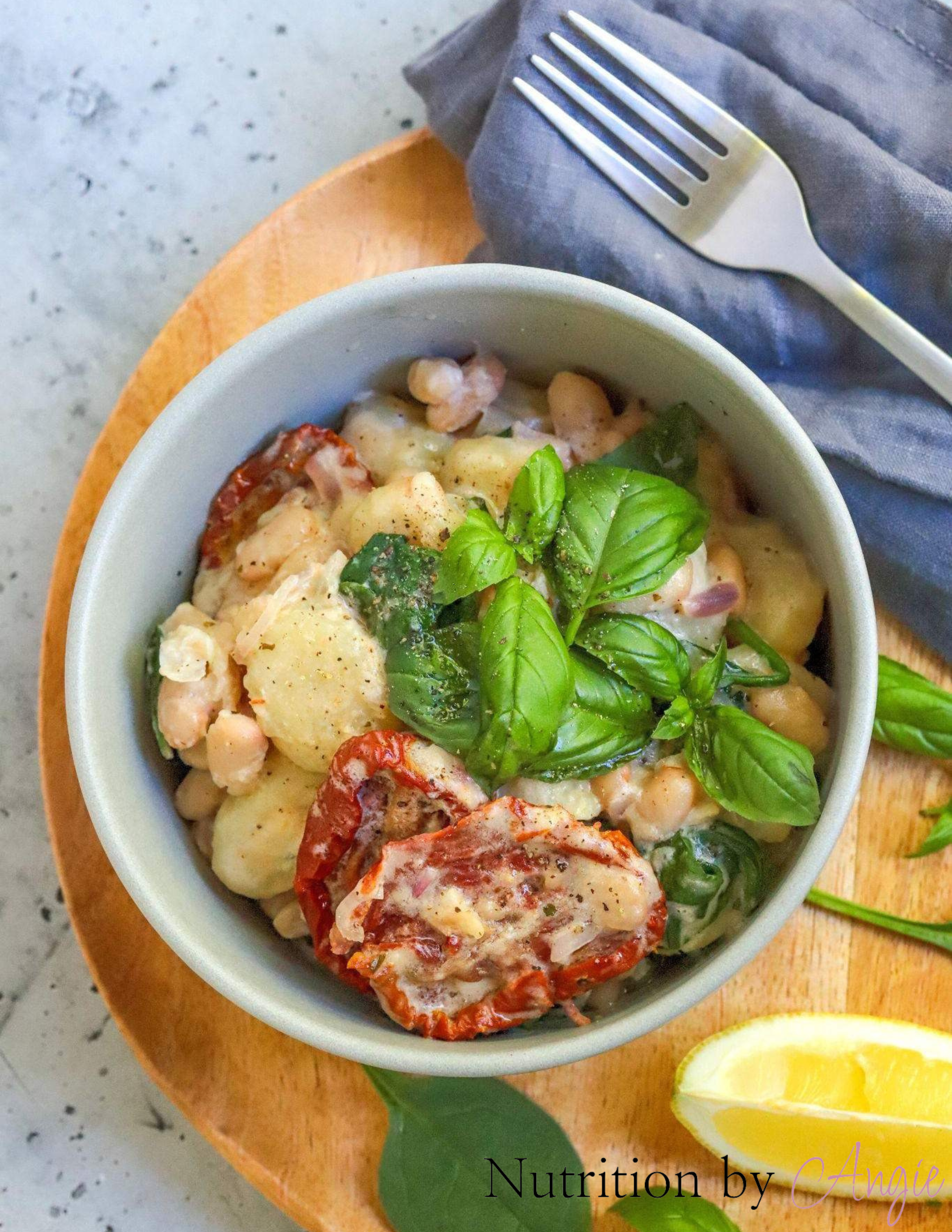
Creamy White Bean and Sun-Dried Tomato Gnocchi
Gluten-Free • Vegan • Vegetarian • Plant-Based • Dairy-Free • Egg-Free • Fibre-Rich • Whole-Food Focused
Use certified gluten-free, egg-free gnocchi, gluten-free vegetable broth and dairy-free plant-based cream to keep the entire recipe gluten-free and vegan.
Introduction
This Creamy White Bean and Sun-Dried Tomato Gnocchi is a comforting, flavourful and nourishing plant-based meal that combines soft, pillowy gnocchi with creamy cannellini beans, tender baby spinach, intensely flavoured sun-dried tomatoes and a rich, dairy-free sauce.
The combination of creamy textures, savoury ingredients and fresh herbs creates a delicious Mediterranean-inspired dish that feels indulgent while incorporating a variety of nutritious plant foods.
Cannellini beans provide plant-based protein, dietary fibre, folate, iron and magnesium, making them an excellent addition to pasta and gnocchi dishes. Their naturally creamy texture complements the soft gnocchi and helps make the meal more satisfying.
Sun-dried tomatoes contribute a concentrated tomato flavour, while baby spinach provides valuable micronutrients, including vitamin K, folate and beta-carotene. Fresh lemon juice adds brightness, and basil introduces a fragrant, refreshing finish.
The plant-based cream creates a silky sauce without traditional dairy cream, while a little oil from the sun-dried tomato jar helps carry the savoury flavours throughout the dish.
This gluten-free vegan gnocchi recipe is ideal for a comforting family dinner, a quick weekday meal or a satisfying plant-based lunch.
For a more whole-food-focused version, choose gluten-free gnocchi made with simple ingredients, an unsweetened plant-based cream and sun-dried tomatoes packed in a predominantly unsaturated oil.
Benefits of All the Ingredients
Gluten-Free Gnocchi
Gnocchi forms the comforting foundation of this recipe.
Traditional potato gnocchi is usually made with potatoes and wheat flour, and some varieties also contain eggs. Therefore, conventional gnocchi is not automatically gluten-free or vegan.
For this recipe, choose certified gluten-free, egg-free gnocchi.
Gluten-free gnocchi is commonly made with potatoes, rice flour, maize flour or other gluten-free starches.
The nutritional value depends on the ingredients used.
Potato-based gnocchi may provide:
Carbohydrates: Supply energy for everyday activities.
Potassium: Supports normal muscle function and healthy blood pressure.
Vitamin B6: Contributes to normal energy metabolism.
Small Amounts of Protein: Contribute to overall daily protein intake.
Some gluten-free gnocchi products are made primarily from refined starches and contain relatively little fibre or protein.
Combining gnocchi with cannellini beans and spinach improves the overall nutritional balance of the meal.
Choosing Better Gluten-Free Gnocchi
Look for gnocchi with a relatively simple ingredient list.
Potato-based varieties can be a good choice, particularly when paired with legumes and vegetables.
Check the packaging carefully for wheat flour, egg and other ingredients that may not be suitable for gluten-free or vegan diets.
For people with coeliac disease, choose gnocchi that is clearly labelled gluten-free.
Cannellini Beans
Cannellini beans are one of the most nutritious ingredients in this dish.
These creamy white beans belong to the legume family and provide a combination of plant-based protein, dietary fibre and complex carbohydrates.
They have a mild flavour and soft texture that works particularly well in creamy sauces.
Cannellini beans provide:
Plant-Based Protein: Contributes to normal muscle maintenance and tissue repair.
Dietary Fibre: Supports normal digestive function.
Folate: Contributes to normal cell division and red blood cell formation.
Iron: Supports normal oxygen transport.
Magnesium: Supports normal muscle and nerve function.
Potassium: Supports normal muscle function.
Phosphorus: Supports healthy bones and teeth.
Zinc: Supports normal immune function.
Cannellini beans also contain resistant starch and fermentable carbohydrates that can be used by certain bacteria in the digestive system.
Cannellini Beans and Digestive Health
The fibre in cannellini beans contributes to normal bowel function and helps support a varied gut microbiota.
Some of their carbohydrates are fermented by intestinal bacteria, producing short-chain fatty acids.
These compounds play important roles in normal intestinal function.
However, beans can cause bloating or gas in people who are sensitive to fermentable carbohydrates.
Starting with smaller portions and gradually increasing legume intake may help improve tolerance.
Why Rinsing Canned Beans Matters
Draining and rinsing canned cannellini beans removes some of the sodium from the canning liquid.
It also removes excess liquid that could otherwise dilute the sauce.
Plain canned cannellini beans are naturally gluten-free, although varieties with added sauces or seasonings should be checked.
Baby Spinach
Baby spinach adds vibrant colour, freshness and valuable micronutrients.
It is a leafy green vegetable that provides folate, vitamin K, carotenoids and several important minerals.
Spinach contains:
Vitamin K: Supports normal blood clotting and bone maintenance.
Folate: Contributes to normal cell division and red blood cell formation.
Beta-Carotene: Can be converted into vitamin A to support normal vision and immune function.
Lutein and Zeaxanthin: Carotenoids found in the eye.
Magnesium: Supports normal muscle and nerve function.
Iron: Contributes to normal oxygen transport.
Vitamin C: Supports normal immune function.
Spinach also contains naturally occurring polyphenols and other plant compounds.
Understanding Iron in Spinach
Spinach contains non-haem iron, the form of iron found in plant foods.
However, it also contains oxalates, which can reduce the absorption of certain minerals.
Adding lemon juice to the dish provides vitamin C, which helps improve the absorption of non-haem iron.
Baby spinach wilts quickly when heated, making it particularly convenient for pasta and gnocchi recipes.
Spinach is naturally gluten-free, vegan and dairy-free.
Sun-Dried Tomatoes
Sun-dried tomatoes provide a rich, concentrated tomato flavour that gives this dish much of its Mediterranean character.
They are made by removing much of the water from ripe tomatoes, concentrating their flavour and many of their nutrients.
Sun-dried tomatoes provide:
Lycopene: A naturally occurring carotenoid with antioxidant properties.
Potassium: Supports normal muscle function.
Dietary Fibre: Supports normal digestive function.
Iron: Contributes to normal oxygen transport.
Copper: Supports normal iron transport.
Naturally Occurring Polyphenols: Plant compounds studied for their antioxidant properties.
Lycopene and Tomato-Based Foods
Lycopene is the carotenoid responsible for the red colour of tomatoes.
It has been studied for its antioxidant properties and potential role in long-term health.
Processing and heating tomatoes can make lycopene more accessible for absorption.
Because lycopene is fat-soluble, consuming tomato products with a little dietary fat may also improve its absorption.
Choosing Sun-Dried Tomatoes
Sun-dried tomatoes packed in oil are convenient because they are already softened and ready to use.
However, the nutritional profile depends on the type of oil and the amount of added salt.
Choose varieties packed in olive oil or another predominantly unsaturated oil where possible.
Sun-dried tomatoes can be relatively high in sodium, particularly when preserved with salt.
Check the ingredient list for gluten-containing additives or cross-contact warnings when preparing food for someone with coeliac disease.
Oil from the Sun-Dried Tomato Jar
The tablespoon of oil from the sun-dried tomato jar adds richness and helps distribute the concentrated tomato flavour throughout the sauce.
The nutritional properties depend on the type of oil used.
If the tomatoes are packed in olive oil, the oil provides predominantly monounsaturated fats.
Olive oil also contains vitamin E and naturally occurring phenolic compounds, particularly when extra virgin olive oil is used.
Using the flavoured oil from the jar is also a practical way to reduce food waste.
However, oils are energy-dense, so a small amount is sufficient.
Shallot
Shallot provides a delicate, slightly sweet onion flavour.
It belongs to the allium vegetable family, alongside onions, garlic and leeks.
Shallots contain naturally occurring organosulfur compounds and flavonoids.
They also provide small amounts of:
Vitamin C: Supports normal immune function.
Vitamin B6: Contributes to normal energy metabolism.
Folate: Supports normal cell division.
Potassium: Supports normal muscle function.
Dietary Fibre: Supports digestive health.
Shallots become sweeter and more aromatic as they cook.
Their mild flavour works particularly well with creamy sauces and sun-dried tomatoes.
Shallots are naturally gluten-free, vegan and dairy-free.
Vegetable Broth
Vegetable broth adds savoury flavour and helps create the sauce.
It provides moisture, allowing the plant-based cream and other ingredients to coat the gnocchi evenly.
The nutritional value depends on the vegetables, herbs and seasonings used.
Commercial vegetable broths may contain varying amounts of sodium.
For a more balanced recipe, choose low-sodium, gluten-free vegetable broth where possible.
Some stock cubes and broth powders contain wheat-derived ingredients or other gluten-containing additives.
Always check the label when preparing this recipe for someone with coeliac disease.
Plant-Based Cream
Plant-based cream creates the smooth, rich texture that makes this dish particularly comforting.
The nutritional profile varies considerably depending on the ingredients.
Soy-Based Cream
Soy-based cream may provide some plant-based protein, depending on the product.
It is often lower in saturated fat than coconut-based cream, although this varies by brand.
Oat-Based Cream
Oat-based cream provides a mild flavour and creamy consistency.
However, not all oat-based creams are gluten-free.
For people with coeliac disease, choose a product that is clearly labelled gluten-free.
Coconut-Based Cream
Coconut cream creates a rich, creamy texture but is generally high in saturated fat.
For people monitoring LDL cholesterol or saturated fat intake, soy-based or other lower-saturated-fat alternatives may be preferable.
Choosing the Best Plant-Based Cream
For a whole-food-focused recipe, choose an unsweetened plant-based cream with a relatively simple ingredient list.
Compare the saturated fat content between products, particularly if the recipe is part of a heart-conscious eating pattern.
Fresh Lemon Juice
Fresh lemon juice adds brightness and acidity, helping balance the richness of the creamy sauce.
It provides vitamin C, which contributes to:
Normal immune function.
Collagen formation.
Protection of cells from oxidative stress.
Improved absorption of non-haem iron from plant foods.
The vitamin C in lemon juice complements the iron found in cannellini beans and spinach.
Although the amount used is relatively small, lemon juice enhances flavour without requiring additional salt.
Fresh lemon juice is naturally gluten-free, vegan and dairy-free.
Sea Salt
Sea salt enhances the natural flavours of the gnocchi, beans, tomatoes and herbs.
It contains sodium, an essential mineral involved in normal fluid balance and nerve function.
However, excessive sodium intake can contribute to high blood pressure.
Because sun-dried tomatoes and vegetable broth may already contain sodium, additional salt should be used moderately.
Sea salt does not provide meaningful nutritional advantages over regular table salt.
Black Pepper
Black pepper adds a gentle warmth and enhances the savoury flavour of the dish.
It contains piperine, a naturally occurring compound responsible for its characteristic pungency.
Black pepper also contains small amounts of manganese and other plant compounds.
However, the quarter teaspoon used in this recipe contributes primarily flavour rather than significant nutritional benefits.
Freshly ground black pepper provides a particularly aromatic finish.
Fresh Basil
Fresh basil adds a fragrant, slightly sweet and peppery flavour that complements the tomatoes and creamy sauce.
It is a popular herb in Mediterranean-inspired cooking.
Basil contains naturally occurring aromatic compounds, including linalool and eugenol.
It also provides small amounts of:
Vitamin K: Supports normal blood clotting and bone maintenance.
Beta-Carotene: Can be converted into vitamin A.
Vitamin C: Supports normal immune function.
Manganese: Contributes to normal metabolism.
Because basil is generally used as a garnish, its main contribution is flavour and freshness.
Fresh basil is naturally gluten-free, vegan and dairy-free.
Why Creamy White Bean and Sun-Dried Tomato Gnocchi Makes a Nourishing Meal
Provides Plant-Based Protein
Cannellini beans contribute protein, helping make the gnocchi more satisfying.
Contains Dietary Fibre
Cannellini beans, spinach and sun-dried tomatoes contribute fibre, supporting normal digestive function.
Rich in Plant-Based Ingredients
The recipe combines legumes, leafy greens, tomatoes, herbs and other plant-based ingredients.
Contains Naturally Occurring Lycopene
Sun-dried tomatoes provide lycopene, a carotenoid studied for its antioxidant properties.
Provides Important Vitamins and Minerals
Cannellini beans and spinach contribute folate, iron, magnesium and other essential nutrients.
Supports Plant-Based Iron Absorption
Vitamin C from lemon juice helps improve the absorption of non-haem iron from beans and spinach.
Can Be Prepared Without Dairy
Plant-based cream creates a creamy sauce without traditional dairy cream.
Suitable for Gluten-Free Diets
Using certified gluten-free gnocchi and suitable packaged ingredients makes this dish appropriate for gluten-free diets.
Delicious Serving Suggestions
Fresh Green Salad
Serve alongside rocket, mixed lettuce or baby spinach with a light lemon dressing.
Roasted Broccoli
Roasted broccoli adds extra vegetables, fibre and vitamin C.
Grilled Courgette
Grilled courgette complements the creamy tomato sauce and adds additional vegetable variety.
Extra Fresh Basil
Scatter additional fresh basil over the finished dish for a fragrant Mediterranean-inspired flavour.
Toasted Pine Nuts
A small sprinkle of toasted pine nuts adds crunch, vitamin E, magnesium and predominantly unsaturated fats.
Tips for the Best Creamy White Bean and Sun-Dried Tomato Gnocchi
Choose certified gluten-free gnocchi: Traditional gnocchi often contains wheat flour.
Check for eggs: Some gluten-free gnocchi contains eggs, so choose an egg-free variety for a vegan meal.
Rinse the cannellini beans: This removes excess canning liquid and can reduce some of the sodium.
Use good-quality sun-dried tomatoes: They provide much of the dish's flavour.
Save a little oil from the jar: It adds richness and concentrated tomato flavour.
Choose lower-saturated-fat plant-based cream: Soy-based alternatives may be suitable, depending on the product.
Use gluten-free vegetable broth: Some commercial broths and stock cubes contain gluten.
Avoid overcooking the gnocchi: Cook according to the packaging instructions to prevent a mushy texture.
Add spinach towards the end: Baby spinach wilts quickly and does not need prolonged cooking.
Adjust the sauce consistency: Add a little extra vegetable broth if the sauce becomes too thick.
Use fresh lemon juice: It balances the richness of the sauce.
Taste before adding more salt: Sun-dried tomatoes and vegetable broth may already contribute substantial sodium.
Add basil just before serving: This helps preserve its fresh flavour and aroma.
Store leftovers correctly: Refrigerate in an airtight container and enjoy within approximately 3–4 days.
Reheat gently: Add a splash of water or vegetable broth if the sauce thickens during storage.
Prevent gluten cross-contact: Use clean utensils, cookware and preparation surfaces when preparing this recipe for someone with coeliac disease.